
Off-Season Doesn't Mean Off Duty: The Year-Round Hunter's Guide
Habitat work, scouting, and gear prep to stay ahead in the off-season
What Separates Consistent Hunters from Occasional Ones
Every hunter has the same 365 days in a year, but they don't all spend them the same way. The ones who consistently fill tags, who seem to always know where the deer are moving or where the ducks will be, aren't just luckier. They're doing work in the months when most hunters have put their gear away and forgotten about it until August.
The off-season isn't empty time. It's when the foundation for the next season gets laid—when trail cameras reveal what survived, when habitat work gets done without disturbing animals, and when scouting trips reveal the small details that determine stand placement in October. Treat June like it doesn't matter, and September will remind you why it did.
_4096KB.jpg)
Trail Camera Strategy After the Season
Most hunters pull their cameras in January when season closes. Leave yours running. The post-season data is some of the most valuable you'll collect all year. Knowing which mature bucks survived the season, where they're traveling in winter and spring, and which animals are using the property in summer gives you a baseline that no amount of pre-season scouting can replicate.
Shift your camera locations in late winter. Move from food sources and scrapes—where deer concentrated during the rut—to travel corridors, water sources, and mineral stations. Mineral licks become active in March as deer begin antler development and need calcium and phosphorus. Cameras on mineral sites from March through July provide exceptional inventory data and reveal which bucks are building the frames you'll be looking for come fall.
Inventory your data every 30-45 days. Consistent monitoring tells you when new animals appear, when specific bucks disappear from the area, and how the herd composition is shifting through summer. A buck that showed up on camera in April on your neighbor's property but appears on yours in July has a home range that includes your land—and you know it before season ever opens.
Habitat Work in the Off-Season
Most major habitat improvements—food plot installation, brush clearing, water development, trail construction—should happen well before hunting season to allow the disturbance to settle and vegetation to establish. The ideal window for most of this work is February through May.
New food plot sites are best prepared in spring. Till and fertilize in May, allow weed competition to germinate and die, then plant your cool-season crops in October after the summer heat breaks. Brush management—cedar removal, mesquite control—is best executed in winter and early spring when you can work without disturbing bedded deer or nesting birds. The cleared areas will begin producing native forb and grass growth by spring and be established habitat by fall.
Stand and blind maintenance is off-season work that many hunters rush during the weeks before season—and the rushed jobs show. Replace rotted lumber in ladder stands, re-secure loose brackets, test blind doors and windows, and reposition any structures that gave poor shot angles last year. Do it in June when you have time to get it right, not in September when pressure is mounting.
Scouting Trips That Actually Produce
Off-season scouting serves two purposes: post-mortem and prospecting. Post-mortem means going back to specific locations where you hunted and understanding what you saw or didn't see. Walk the areas deer used, identify the actual rubs and scrapes, trace the travel routes, and figure out what the deer were doing relative to where you were sitting. That analysis—done without pressure—improves your setup for next year in ways that no amount of theory replaces.
Prospecting means looking at new areas before you've committed to hunting them. Shed antler hunting in February and March gets you into the woods during a season when you can move freely without spooking deer out of the area. Sheds reveal winter territories, confirm which bucks made it through season, and identify locations that see heavy buck use. A single productive shed antler location identified in February often becomes a killer stand site in October.
Spring turkey hunting does double duty for deer hunters. You're in the woods during a period of maximum deer movement before fawning, you're seeing the property in a way that reveals habitat features hidden by full foliage, and you're maintaining your skills and woodsmanship through the long summer ahead.
Physical Preparation and Gear Work
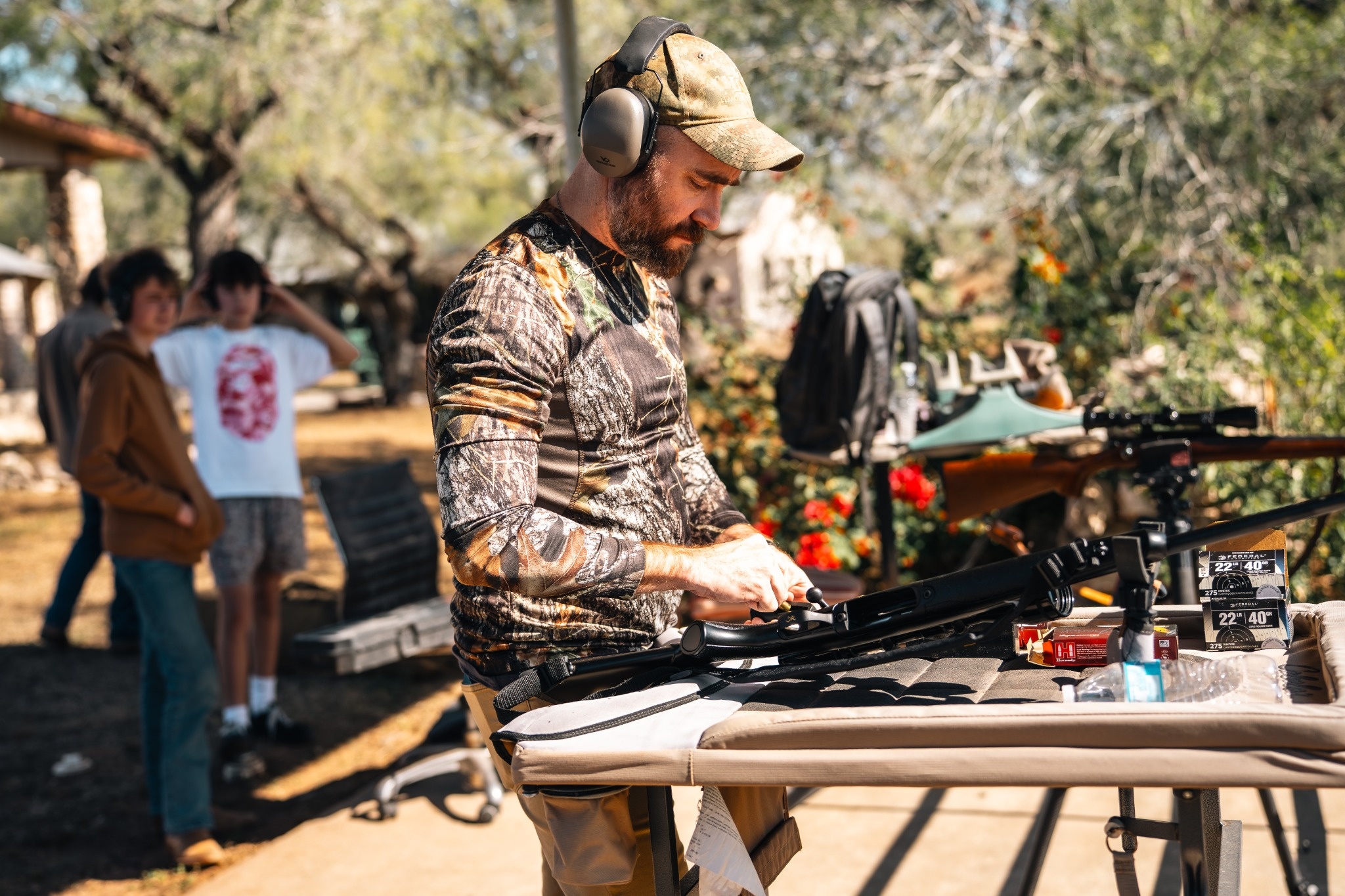
The off-season is when the physical preparation that makes season-long hunting sustainable gets done. Shooting practice in June and July—particularly at ranges and angles you'll actually encounter—builds the muscle memory that makes your shot under pressure automatic rather than deliberate. Bowhunters especially benefit from year-round practice; the draw weight and motion of an archery shot is a physical skill that degrades without maintenance.
Gear audit and maintenance is another June task. Pull everything out, check for wear, replace worn release aids, re-sight optics that may have shifted, and identify what needs to be replaced before August rolls around and the hunting industry runs out of stock before season. Gear failures on opening morning are always the result of deferred maintenance—every time.
For hunters who use BirdDog to lease private land, the off-season is also the time to lock in your access for next year. Lease renewals on quality Texas properties fill quickly after season closes, and the best properties are committed long before summer ends. Use the platform in February to secure your land before the competition does.
The season is 365 days. The best hunters treat all of them like they count.


Read More...

Heading into your first Texas dove season? This starter pack covers the best shotguns, loads, gear, and accessories to get you ready for opening day in the field.
Don't head into fall hunting season unprepared. Use this complete pre-season checklist to organize your gear, scout your land, and set up stands before opening day.
Predator pressure during fawning season dramatically cuts deer recruitment on Texas land. Learn responsible predator control strategies that improve fawn survival rates.