
Fall Hunting Season Checklist: Everything to Do Before Opening Day
Gear lists, scouting tasks, and stand prep for a successful fall season
Why Checklists Beat Memory
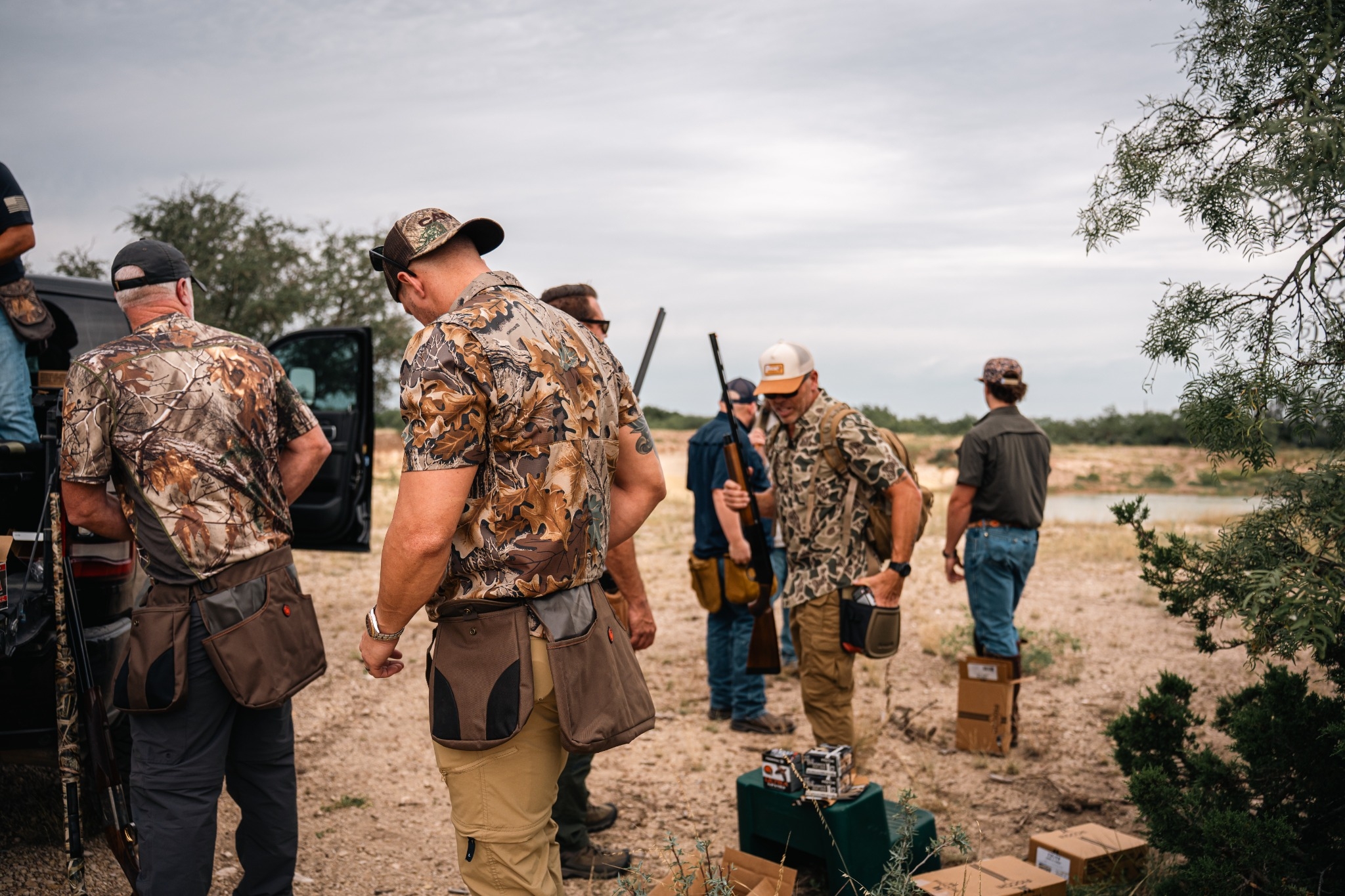
Every hunter has had the moment: you're 45 minutes from the stand, it's 4:45 AM and 39 degrees, and you realize you left your release aid on the workbench or packed the wrong caliber ammo. The cost is the hunt, the morning, sometimes the whole trip. These failures don't happen because hunters are careless. They happen because memory under pressure and early-morning fatigue is unreliable, and preparation that seemed thorough in August has gaps you won't notice until they matter.
A pre-season checklist is the solution. Not a mental review, not a quick bag check—an actual written list, organized by category, that you work through methodically before every hunt and before the season begins. The format doesn't matter. A notes app, a printed sheet in your pack, a dry-erase board in the gear room—use whatever you'll actually use. What matters is that it's written down and followed.
Gear Audit: What to Check Before the Season
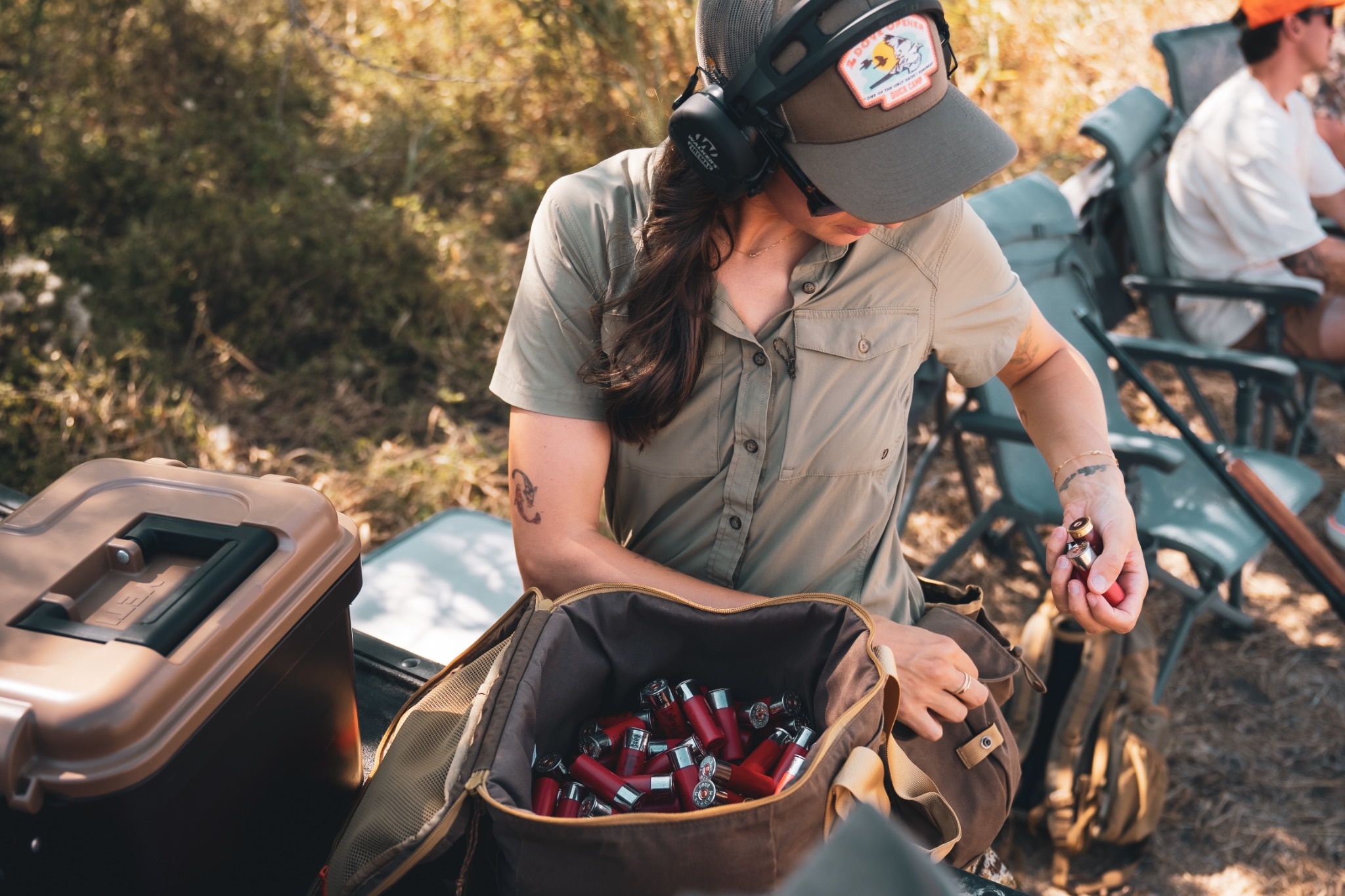
Work through every category of gear you'll use before the season opens, not on the morning of opening day. The goal is to identify what needs repair, replacement, or restocking while you still have time to address it without overnight shipping fees or last-minute store runs.
Archery/Firearms: Inspect your bow or rifle for any damage from storage. Replace worn bow strings, serving, and peep sight if they've been in service for more than 2 seasons. Verify your zero at the range—optics shift, especially after transport, and 30-minute range session in August confirms your rifle is shooting where you're aiming. Replace batteries in rangefinders, scopes with illuminated reticles, and electronic calls. Check broadhead sharpness.
Clothing and Layering: Pull every piece of hunting clothing out and inspect it. Check camo patterns for UV brighteners by holding fabric under a UV flashlight—if it glows, wash it in scent-free UV-blocking detergent before the season. Inspect waders for leaks (pressurize them overnight if waterfowl hunting is on the agenda). Replace worn boot insoles and check lace integrity on hard-use boots.
Safety Equipment: Replace your harness if it's more than 5 years old or shows any wear at attachment points—the manufacturer recommendation is typically 5 years even without visible damage. Inspect tree steps, climbing sticks, and lock-on stands for rust, cracked welds, and worn straps. Replace any component you're not fully confident in. Gravity doesn't give second chances.
Land and Stand Access Checklist
Your stand access preparation should happen in July and August when deer movement is minimal and your intrusion into the woods has the least impact on September and October hunting.
Walk every access trail to your stands and note what needs work: low-hanging branches that will catch your bow on the way in, gate latches that squeak, muddy crossings that require stepping on crinkly leaves, anything that will make your approach noisier than it needs to be. Fix the access, not the stand—you'll use the trail every single hunt.
Check stand positions relative to your current trail camera data. A stand positioned in August based on last year's patterns may be in the wrong location if summer camera data shows a travel route has shifted. Moving a stand now costs you nothing. Moving it in October after you've contaminated the area with scent costs you the hunt.
Confirm your property access is locked in. If you're hunting leased land, make sure your agreement is signed, your payment is current, and you have the gate code and contact number for the landowner in your phone. If you're looking for access and haven't secured it yet, now is the time—quality properties on the BirdDog hunting lease platform book quickly once the late summer urgency kicks in, and waiting until September leaves you with the options everyone else passed on.
License, Tags, and Legal Prep
Texas hunting licenses are valid September 1 through August 31. Purchase your license and any required stamps or tags before you need them—TPWD licensing systems see traffic spikes in August and the last thing you want is a technical problem on opening morning. Download the TPWD Outdoor Annual app and save your license and all relevant regulation pages for offline access.
Know your species-specific regulations for the current season. Texas hunting regulations change annually—bag limits, season dates, and antler restrictions vary by county and management unit. The 2026-27 Outdoor Annual is the authoritative source. Read the regulations for every species you plan to hunt before you hunt them, not after.
If you're hunting a new county or property, look up the specific county regulations. Some Texas counties participate in managed lands programs or have specific antler restriction ordinances that differ from the standard statewide rules.
Food and Camp Logistics
Multi-day hunting camps require their own checklist segment. Food planning, water supply, fuel for cooking, sleeping gear, and first aid supplies all need to be accounted for before you load the truck. Nothing degrades a hunting camp faster than running out of food by day two or discovering the camp's water pump doesn't work when you're two hours from the nearest store.
Build a camp supply list as a separate document from your personal gear list. A 3-day camp for two hunters has specific food, fuel, and supply needs that don't scale linearly—plan conservatively, bring slightly more than you think you need, and your camp will run smoothly regardless of what the hunting does.
August is the month for checklists. September is for using them. Build yours now while the season is still theoretical and everything is fixable. The first morning in the stand will come sooner than you think.

Read More...
A practical guide to rural land loan types, what lenders evaluate, common mistakes landowners make, and how to approach financing a farm, ranch, or hunting property.
A look at how BirdDog helps landowners put their property to work through hunting and recreation, farm and grazing leases, Section 180 tax opportunities, financing, insurance, and land improvements.
A landowner's guide to identifying revenue potential in idle acreage and stacking multiple income streams — farming leases, hunting access, marketplace bookings, and Section 180 savings — through BirdDog.