Dove Hunting Starter Pack: Guns, Ammo, Gear, and Equipment

Best shotguns, loads, and field gear for new Texas dove hunters
Why Dove Hunting Is the Best Entry Point to Wing Shooting

Dove hunting is where most Texas hunters cut their teeth on wing shooting, and for good reason. September 1 is early enough that the heat keeps most people from going overboard, the daily bag limit is 15 birds (white-winged and mourning dove combined in most zones—always verify current TPWD regulations), and the action is fast enough that beginners develop gun handling and swing mechanics quickly. You'll miss a lot at first. Everybody does. That's why it's the best teacher.

Dove hunting also has a lower barrier to entry than almost any other type of hunting. You need a shotgun, shells, a hunting license, and a field. The equipment list is short, the learning curve is forgiving, and the experience—standing in a Texas sunflower field on a warm September evening watching birds pour in from every direction—is one that converts people into hunters for life.

Choosing a Shotgun

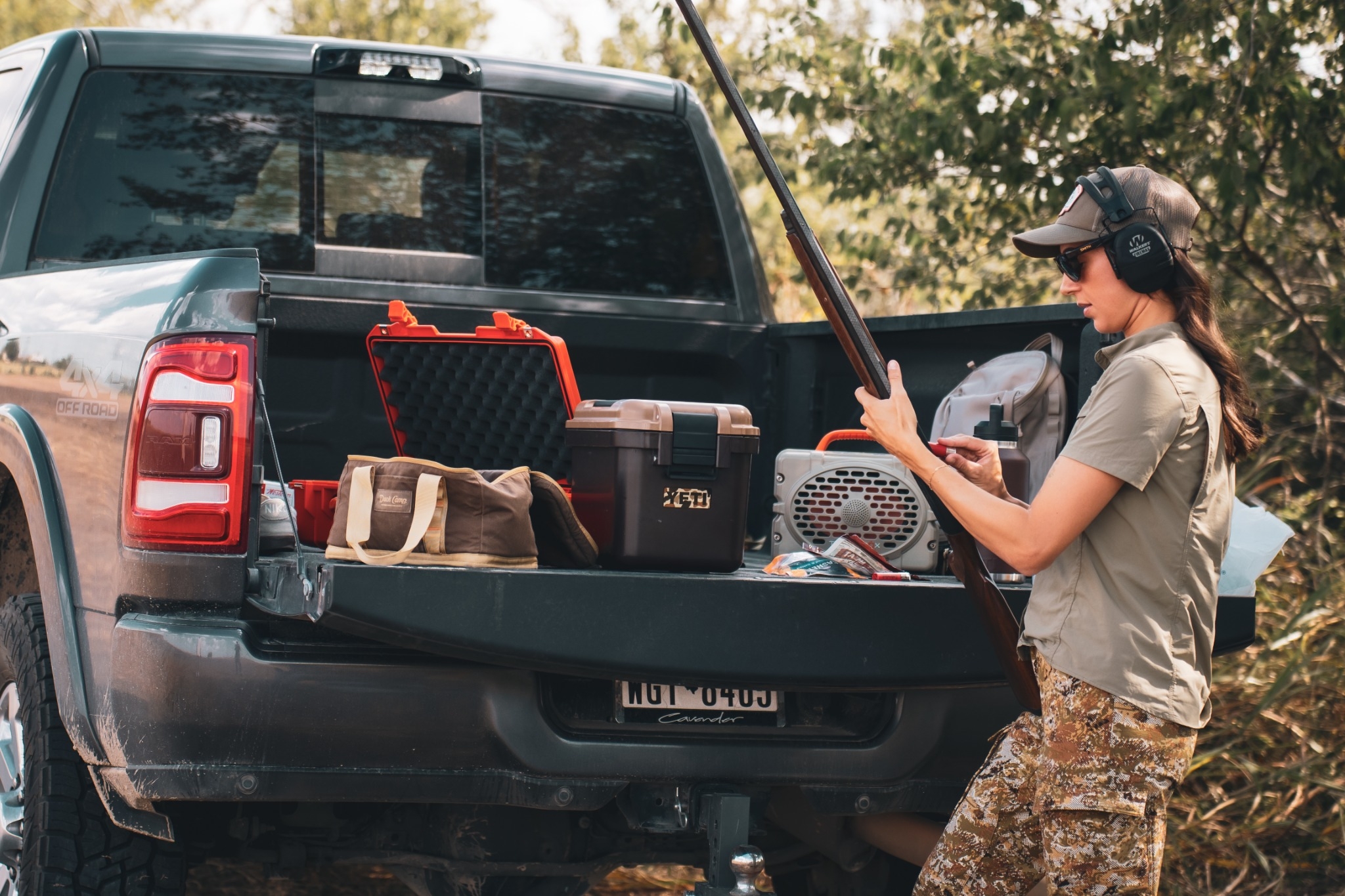
Any 12-gauge or 20-gauge shotgun works for dove. Beginners are best served by a gas-operated semi-automatic because the gas action reduces felt recoil, which matters when you're shooting 50-150 shells in a single afternoon and still developing your mechanics. Pump-actions work fine but require a deliberate pump between shots that can slow you down on fast-moving doubles.

The Mossberg 500 in 20-gauge is a reliable, affordable pump that new shooters often start with—available new for around $350-400. For semi-autos, the Beretta A300 Outlander (12-gauge, ~$750 new) and the Browning Maxus II (12-gauge, ~$1,400) are two of the most popular choices across all experience levels in Texas. Used shotguns in good condition are worth strong consideration for a first dove gun—a used Remington 1100 or Beretta A400 at $400-600 is often a better value than a new entry-level gun.

Barrel length for dove: 26-28 inches is the sweet spot. Shorter barrels feel snappy and make swing-through harder for beginners. Longer barrels add momentum to the swing and make consistent leads more natural. Choke tubes—Improved Cylinder or Modified for most dove shooting—are standard on modern shotguns and should be inspected before each use to confirm they're tight.
Ammo Selection

Dove ammo is not complicated. You don't need high-brass, specialty loads, or anything expensive. Standard 2-3/4" target or hunting loads in #7.5 or #8 shot are the standard across Texas dove fields, and any major brand (Federal, Winchester, Remington, Rio) will perform equally well.

For 12-gauge, a standard dove load is 1 oz to 1-1/8 oz of #7.5 shot at 1,200-1,300 fps. For 20-gauge, 7/8 oz of #8 or #7.5 at similar velocity. The difference between cheap promotional loads and premium hunting loads at 30-40 yards on a dove is minimal—save the premium ammo budget for waterfowl where non-toxic shot and extended patterns matter more.

Bring more shells than you think you need. New dove hunters consistently bring 100 shells and run out. Bring 150-200 for a long afternoon hunt, especially if you're shooting a 20-gauge and have more shells to find in one place. Buy target loads in bulk at the beginning of season—they're identical to "hunting" loads and significantly cheaper per shell.

Essential Dove Hunting Gear

Stool or Bucket: You'll be standing, walking, and sitting over several hours. A folding hunting stool or a 5-gallon bucket (which doubles as a seat and a game carrier) is more comfortable than standing the whole time and significantly better for your shooting posture. A low-profile stool keeps you under the sight lines of incoming birds when you're positioned in a field with minimal cover.

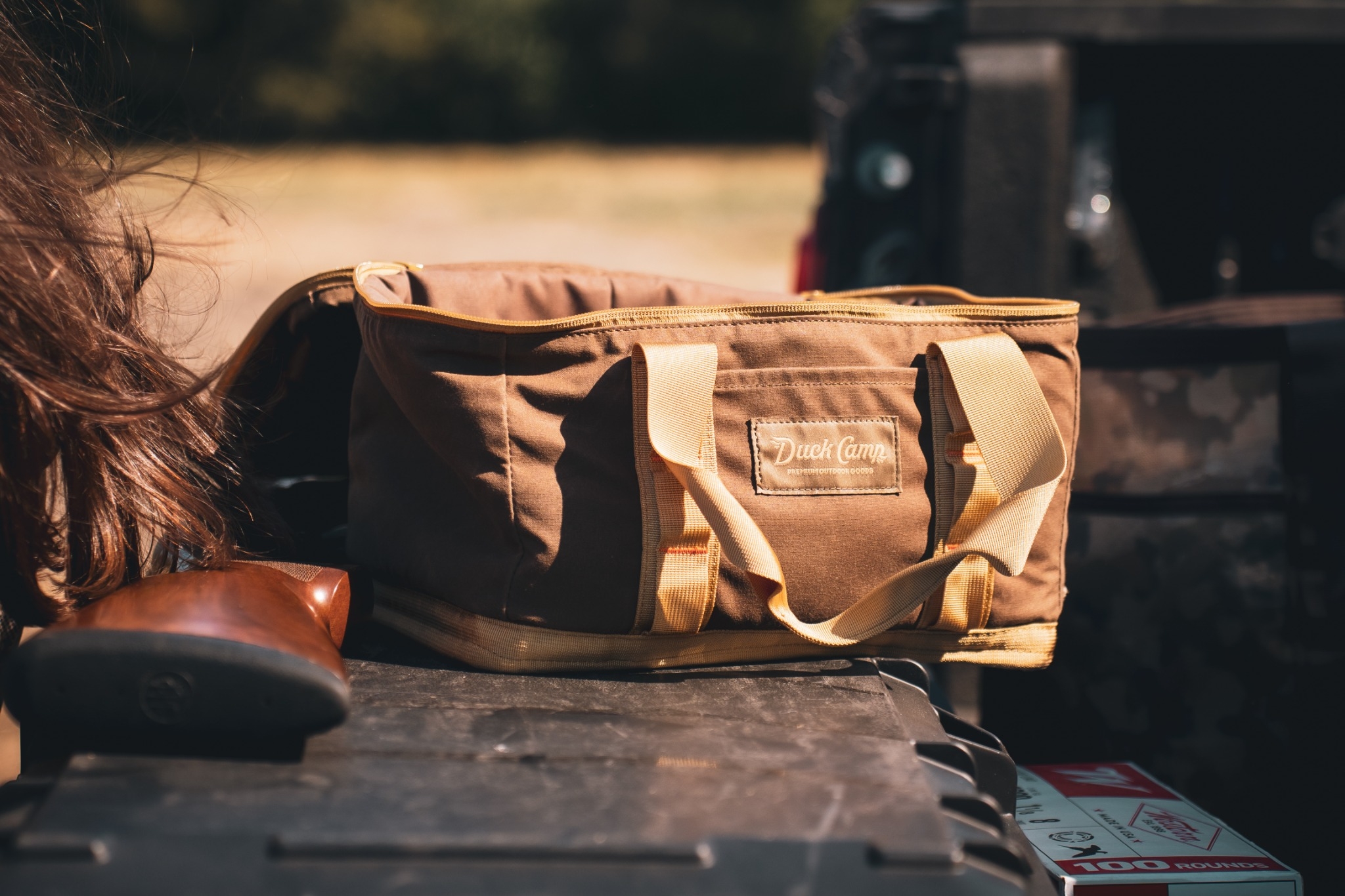
Shell Bag or Vest: A dove vest or shell pouch keeps extra shells accessible without digging through a bag at the moment a bird appears. Look for a vest with a game bag in the rear—it keeps harvested birds off the ground and keeps count easy. Columbia, Browning, and Avery all make functional, durable options in the $40-100 range.

Water and Sun Protection: September dove hunting in Texas happens in 95+ degree heat. Bring at least a gallon of water per person for a four-hour hunt. Wear light-colored, breathable hunting clothing (camouflage isn't strictly necessary for dove—they don't have the visual acuity of turkey or waterfowl—but it doesn't hurt). A wide-brimmed hat and UV sunscreen are non-negotiable for afternoon field positions.

Decoys: Spinning-wing dove decoys ("mojos" or similar motorized decoys) dramatically increase decoying activity, especially early in season when birds are less educated about them. A single spinning-wing decoy on a stake near your shooting position pulls birds that might otherwise flare wide. They're legal in Texas during dove season—use them.

Finding Fields and Securing Access

The most important piece of dove hunting equipment isn't hardware—it's access to good field. Public dove hunting areas in Texas (designated Type 2 WMAs) can be productive but often crowded, especially on opening weekend. Private field access produces consistently better shooting because the pressure is controlled, the management is intentional, and the birds haven't been educated by a hundred other hunters.

For hunters looking to access managed private dove fields in Texas, BirdDog's hunting lease platform lists dove hunting properties across the state—many with specific field management details, planting records, and seasonal access terms. Booking a quality private field for the September opener removes the single biggest variable in dove hunting success: finding birds in the first place.

Get the basics right on guns and ammo, bring enough water, and find good land. September 1 will do the rest.

Read More...

Hunting & Adventure
Fall Hunting Season Checklist: Everything to Do Before Opening Day

Don't head into fall hunting season unprepared. Use this complete pre-season checklist to organize your gear, scout your land, and set up stands before opening day.

Read More
Landowner Resources
Why Predator Control Matters for Summer Fawn Survival on Texas Land

Predator pressure during fawning season dramatically cuts deer recruitment on Texas land. Learn responsible predator control strategies that improve fawn survival rates.

Read More
Fishing & Adventure
Redfish Starter Pack: Gear, Tactics, and Access for Texas Saltwater

New to redfish fishing in Texas? This saltwater starter pack covers the right gear, proven tactics, and how to find access to productive coastal flats and marshes.

Read More

Dove Hunting Starter Pack: Guns, Ammo, Gear, and Equipment

Best shotguns, loads, and field gear for new Texas dove hunters

Why Dove Hunting Is the Best Entry Point to Wing Shooting

Dove hunting is where most Texas hunters cut their teeth on wing shooting, and for good reason. September 1 is early enough that the heat keeps most people from going overboard, the daily bag limit is 15 birds (white-winged and mourning dove combined in most zones—always verify current TPWD regulations), and the action is fast enough that beginners develop gun handling and swing mechanics quickly. You'll miss a lot at first. Everybody does. That's why it's the best teacher.

Dove hunting also has a lower barrier to entry than almost any other type of hunting. You need a shotgun, shells, a hunting license, and a field. The equipment list is short, the learning curve is forgiving, and the experience—standing in a Texas sunflower field on a warm September evening watching birds pour in from every direction—is one that converts people into hunters for life.

Choosing a Shotgun

Any 12-gauge or 20-gauge shotgun works for dove. Beginners are best served by a gas-operated semi-automatic because the gas action reduces felt recoil, which matters when you're shooting 50-150 shells in a single afternoon and still developing your mechanics. Pump-actions work fine but require a deliberate pump between shots that can slow you down on fast-moving doubles.

The Mossberg 500 in 20-gauge is a reliable, affordable pump that new shooters often start with—available new for around $350-400. For semi-autos, the Beretta A300 Outlander (12-gauge, ~$750 new) and the Browning Maxus II (12-gauge, ~$1,400) are two of the most popular choices across all experience levels in Texas. Used shotguns in good condition are worth strong consideration for a first dove gun—a used Remington 1100 or Beretta A400 at $400-600 is often a better value than a new entry-level gun.

Barrel length for dove: 26-28 inches is the sweet spot. Shorter barrels feel snappy and make swing-through harder for beginners. Longer barrels add momentum to the swing and make consistent leads more natural. Choke tubes—Improved Cylinder or Modified for most dove shooting—are standard on modern shotguns and should be inspected before each use to confirm they're tight.

Ammo Selection

Dove ammo is not complicated. You don't need high-brass, specialty loads, or anything expensive. Standard 2-3/4" target or hunting loads in #7.5 or #8 shot are the standard across Texas dove fields, and any major brand (Federal, Winchester, Remington, Rio) will perform equally well.

For 12-gauge, a standard dove load is 1 oz to 1-1/8 oz of #7.5 shot at 1,200-1,300 fps. For 20-gauge, 7/8 oz of #8 or #7.5 at similar velocity. The difference between cheap promotional loads and premium hunting loads at 30-40 yards on a dove is minimal—save the premium ammo budget for waterfowl where non-toxic shot and extended patterns matter more.

Bring more shells than you think you need. New dove hunters consistently bring 100 shells and run out. Bring 150-200 for a long afternoon hunt, especially if you're shooting a 20-gauge and have more shells to find in one place. Buy target loads in bulk at the beginning of season—they're identical to "hunting" loads and significantly cheaper per shell.

Essential Dove Hunting Gear

Stool or Bucket: You'll be standing, walking, and sitting over several hours. A folding hunting stool or a 5-gallon bucket (which doubles as a seat and a game carrier) is more comfortable than standing the whole time and significantly better for your shooting posture. A low-profile stool keeps you under the sight lines of incoming birds when you're positioned in a field with minimal cover.

Shell Bag or Vest: A dove vest or shell pouch keeps extra shells accessible without digging through a bag at the moment a bird appears. Look for a vest with a game bag in the rear—it keeps harvested birds off the ground and keeps count easy. Columbia, Browning, and Avery all make functional, durable options in the $40-100 range.

Water and Sun Protection: September dove hunting in Texas happens in 95+ degree heat. Bring at least a gallon of water per person for a four-hour hunt. Wear light-colored, breathable hunting clothing (camouflage isn't strictly necessary for dove—they don't have the visual acuity of turkey or waterfowl—but it doesn't hurt). A wide-brimmed hat and UV sunscreen are non-negotiable for afternoon field positions.

Decoys: Spinning-wing dove decoys ("mojos" or similar motorized decoys) dramatically increase decoying activity, especially early in season when birds are less educated about them. A single spinning-wing decoy on a stake near your shooting position pulls birds that might otherwise flare wide. They're legal in Texas during dove season—use them.

Finding Fields and Securing Access

The most important piece of dove hunting equipment isn't hardware—it's access to good field. Public dove hunting areas in Texas (designated Type 2 WMAs) can be productive but often crowded, especially on opening weekend. Private field access produces consistently better shooting because the pressure is controlled, the management is intentional, and the birds haven't been educated by a hundred other hunters.

For hunters looking to access managed private dove fields in Texas, BirdDog's hunting lease platform lists dove hunting properties across the state—many with specific field management details, planting records, and seasonal access terms. Booking a quality private field for the September opener removes the single biggest variable in dove hunting success: finding birds in the first place.

Get the basics right on guns and ammo, bring enough water, and find good land. September 1 will do the rest.
Read More...
Hunting & Adventure
Fall Hunting Season Checklist: Everything to Do Before Opening Day

Don't head into fall hunting season unprepared. Use this complete pre-season checklist to organize your gear, scout your land, and set up stands before opening day.

Read More
Landowner Resources
Why Predator Control Matters for Summer Fawn Survival on Texas Land

Predator pressure during fawning season dramatically cuts deer recruitment on Texas land. Learn responsible predator control strategies that improve fawn survival rates.

Read More
Fishing & Adventure
Redfish Starter Pack: Gear, Tactics, and Access for Texas Saltwater

New to redfish fishing in Texas? This saltwater starter pack covers the right gear, proven tactics, and how to find access to productive coastal flats and marshes.

Read More