
Unlock the Hidden Revenue on Your Land: Birdwatching & Agritourism
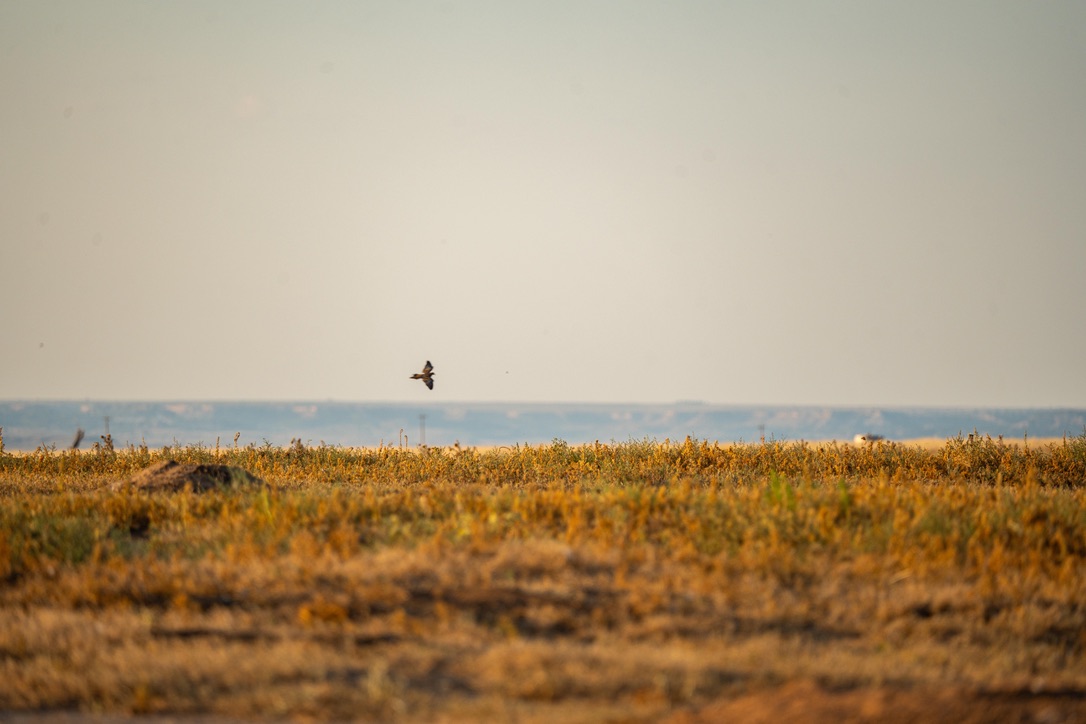
Unlock the Hidden Revenue on Your Land: Birdwatching & Agritourism
BirdDog started out as a path to connect private landowners to hunters—but that was only the beginning. BirdDog's land intelligence platform is designed to help you unlock new revenue opportunities your property can support. From birdwatching and agritourism to regenerative grazing, farm and ranch leasing, photography access, and seasonal outdoor experiences, BirdDog gives landowners a versatile, conservation-minded way to turn natural features, habitats, and existing land assets into meaningful, low-impact income. Hunting is one lane—but your land can do far more, and BirdDog helps you capture the full value.
The Opportunity Most Landowners Are Overlooking
BirdDog isn’t just about hunts—we help landowners unlock multiple revenue streams, from birdwatching to agritourism and beyond.
Right now, two major trends are reshaping how people travel and spend money outdoors:
- Birdwatching has become a massive travel and spending industry
- Agritourism is rapidly expanding across U.S. farms and ranches
Together, they create a unique, low-impact way for landowners to generate meaningful income from land they already own—without adding livestock, planting crops, or investing in expensive infrastructure.
Give us a call — we’ll help you get started!
Birdwatching: A $107 Billion Market Hiding in Plain Sight
According to the U.S. Fish & Wildlife Service’s 2024 Birdwatching in America report:
- About 96 million Americans participate in birdwatching
- Roughly 43 million travel for birding experiences
- Birders spend $107.6 billion annually nationwide
- Around $14 billion of that spending is travel—lodging, access, guides, and food
- Birdwatching activity contributes to $279 billion in economic output, supporting 1.4 million jobs
This isn’t a fringe hobby.
Birdwatchers routinely pay for:
- Access to private land
- Guided experiences
- Photography blinds
- Lodging tied to birding access
- Workshops and retreats
- Seasonal memberships
For many properties, birdwatching alone can become a high-margin revenue stream.
Agritourism: The Business Framework Around It
Birdwatching fits naturally into the broader category of agritourism—the USDA’s term for farm- and ranch-based recreation and educational experiences.
According to the USDA Economic Research Service and the 2022 Census of Agriculture:
- U.S. farms and ranches generated about $1.26 billion in agritourism and recreational income in 2022
- That represents a 12.4% agritourism increase since 2017 after inflation
- Roughly 28,600 farms and ranches now report agritourism income
- About 57% of U.S. counties have at least some agritourism activity
Travelers increasingly seek:
- Nature immersion
- Authentic working land experiences
- Wildlife encounters
- Farm and ranch stays
- Educational activities
And they are willing to pay premium prices for them.
Why This Matters for Landowners
If you have:
- pasture
- timber
- wetlands
- farmland
- a ranch
- mixed habitat acreage
…you may already possess everything needed to participate in this growing economy.
Birdwatching and agritourism allow you to:
- Monetize land without developing it
- Smooth income between hunting seasons or agricultural cycles
- Generate revenue
- Support habitat and conservation efforts
- Increase property value and visibility
- Diversify your income without major risk
Unlike traditional land uses, you aren’t selling a commodity—you’re offering access and experience, which often carry far higher margins.
Why This Opportunity Is So Powerful
Most revenue-generating land uses require:
- equipment
- feed
- inputs
- labor
- weather risk
- market volatility
Birdwatching and agritourism can generate income from:
- trails you already have
- ponds and wetlands already on the land
- the natural beauty and wildlife you’ve been stewarding for years
It is one of the highest-return, lowest-impact land uses available today.
What You Actually Need
To begin earning income from visitors, you only need:
- A safe, organized way to allow access
- A system to manage it professionally
That’s where most landowners hesitate.
Questions like:
- Where should guests go?
- How do we protect livestock and equipment?
- What should we charge?
- What liability exists?
- How do we find customers?
These can stop a great opportunity before it starts.
How BirdDog Helps Landowners Succeed
The BirdDog platform helps landowners:
- identify their strongest revenue opportunities
- map safe guest access
- highlight the best viewing and experience areas
- understand pricing potential
- present their land professionally
- connect with customers who value private land access
Instead of guessing, you gain clarity.
Instead of a complicated setup process, you gain a proven framework.
BirdDog turns:
“I think my land could work…”
into:
“I know how to make money with this land, safely and sustainably.”
The Bottom Line
There is a massive, growing outdoor recreation and agritourism economy happening right now.
Millions of people are actively looking for:
- unique stays
- birdwatching experiences
- access to private land
- nature immersion
- farm and ranch activities
Meanwhile, thousands of landowners are earning:
- supplemental income
- full-time revenue
- long-term property value
simply by opening thoughtful access to land they already own.
If you’re not exploring this opportunity, you may be leaving real money on the table.
Your Next Step
Reading about the opportunity is helpful.
But the most important questions are:
What could your land earn?
What experiences make sense for your property?
What would this look like for you?
Every property is different—and the smartest next move is simple:
Give Us a Call!
Sources
U.S. Fish & Wildlife Service. Birdwatching in America: A Profile of Birders and Their Economic Contributions. 2024.
https://www.fws.gov/story/2024-12/birdwatching-america
U.S. Fish & Wildlife Service. Birding: How to Get Started.
https://www.fws.gov/story/birding-how-get-started
U.S. Department of Agriculture, Economic Research Service. Growth in Agritourism and Recreational Services Income.
https://www.ers.usda.gov/data-products/charts-of-note/chart-detail/?chartId=110552
U.S. Department of Agriculture, 2022 Census of Agriculture. Agritourism and Recreational Services Income Statistics.


Read More...
_4096KB.jpg)
A landowner's guide to identifying revenue potential in idle acreage and stacking multiple income streams — farming leases, hunting access, marketplace bookings, and Section 180 savings — through BirdDog.
_4096KB.jpg)
A plain-English explanation of the Section 180 tax deduction for landowners, who qualifies, realistic savings ranges by acreage, and how BirdDog has helped generate over $30 million in savings.
Get your Texas hunting property ready for fall with this landowner checklist. Cover food plots, stand placement, water, and trail cameras before season opener.