
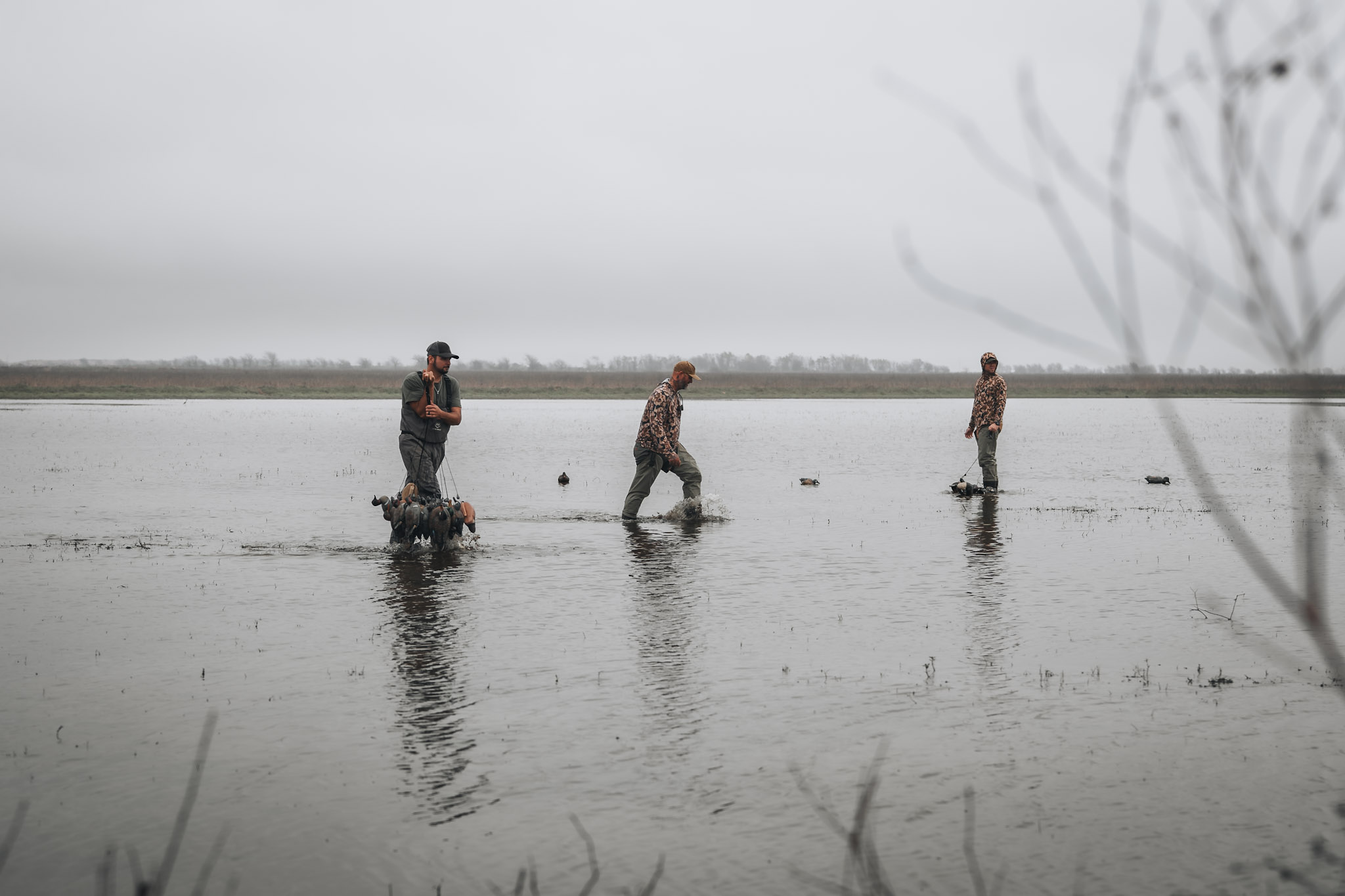
Habitat Management Tips for Late Winter Success
Late winter is one of the most important times of the year for wildlife habitat management in Texas. As hunting seasons wrap up and the landscape begins transitioning toward spring growth, smart habitat work now can dramatically improve forage, cover, and wildlife health for the entire year — setting your ranch or property up for long-term success.
In this article, we’ll cover where things stand seasonally in Texas, what habitat management tasks are most effective right now, and how you can use winter to prepare your land for the growing season ahead.
What Hunting Seasons Are Closed and What’s Still Open in Texas
As winter winds down, many traditional hunting seasons are wrapping up. For example:
- Most big game seasons like general whitetail deer rifle seasons have concluded this year. Many general deer hunts end by January depending on zone and weapon type.
- Dove, turkey, and migratory bird seasons are closed for the winter period in most areas.
- Some smaller seasons like certain furbearers continue through March 31.
- Species like rabbits, coyotes, bobcats, and hares have year-round seasons, meaning landowners can still manage populations where needed.
It’s vital to double-check the latest Texas Parks & Wildlife Department (TPWD) regulations before planning any hunt or harvest — season dates, bag limits, and zone rules can shift annually.
Why Late Winter Habitat Work Matters
Even though many hunting seasons are over, late winter habitat management provides one of the biggest opportunities to shape how wildlife performs in spring and summer.
During winter:
- Natural food sources become scarce.
- Native vegetation is dormant.
- Landowners can prep soil and plant food plots before rapid growth begins.
Working now ensures that forage, cover, and water are ready when wildlife needs them most.
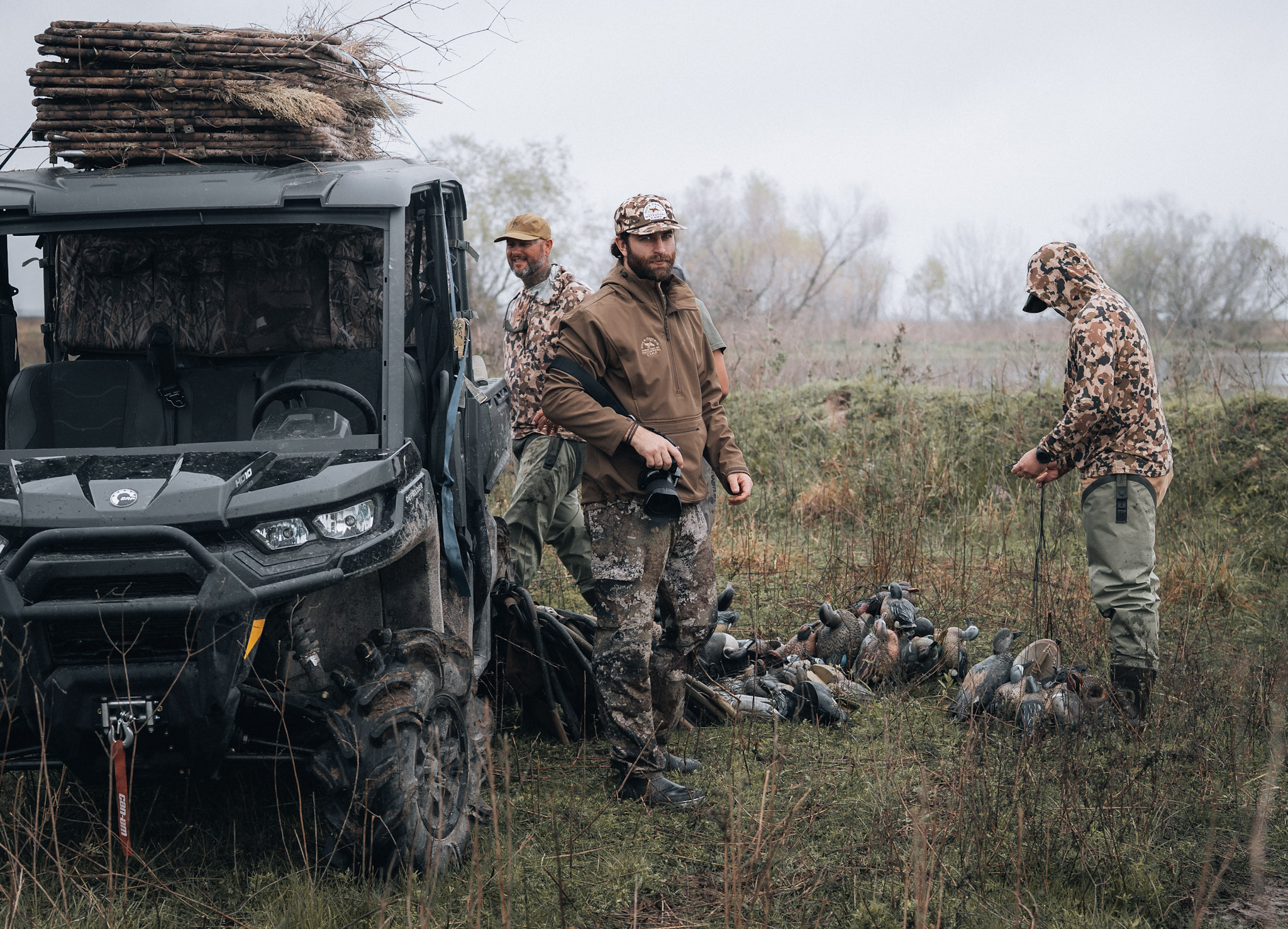
1. Prepare and Plant Winter Food Plots
Winter food plots provide high-quality nutrition during lean months and help improve wildlife condition heading into spring.
Tips for winter food plots:
- Use cool-season annuals like clover, oats, or winter wheat.
- Plant plots where livestock impact is minimal so deer and turkey can utilize forage.
- Incorporate a mix of grasses and legumes to maximize nutritional diversity.
Food plots don’t just attract wildlife — they help build stronger herds and flocks as plants green up in spring.
2. Manage Cover and Shelter
Cover is just as important as food, especially through late winter when weather swings can stress wildlife.
Habitat cover strategies:
- Leave brushy edges and native grasses intact for escape and thermal cover.
- Avoid over-mowing; instead, create a patchwork of open and closed areas.
- Consider selective thinning of overgrown brush to promote understory growth.
Quality cover shelters wildlife from predators and harsh weather while supporting better habitat diversity in spring.
3. Assess Water and Forage Resources
Water access and availability are critical as temperatures fluctuate.
Water management tips:
- Check stock tanks, ponds, and guzzlers for leaks or low levels.
- Consider adding shallow wildlife drinkers or solar troughs.
- Maintain vegetation around water to reduce erosion and sediment runoff.
Supplemental water sources increase wildlife usage and help balance populations throughout the year.
4. Control Invasive Species and Manage Brush
Late winter is an excellent time to tackle invasive plants and heavy brush before spring growth begins.
Brush & invasive control:
- Target invasive species like Chinese tallow or Bermuda grass before they dominate.
- Use mechanical or chemical control strategically — avoid harming native plants.
- Create wildlife corridors and edge habitat to increase movement and forage access.
Balanced brush management significantly improves wildlife habitat and forage quality.
5. Plan for Spring Wildlife and Hunting Seasons
Even though most hunting seasons are ending now, late winter is the best time to get ready for the spring hunting calendar and wildlife needs.
Spring to consider:
- Spring turkey and dove seasons
- Exotics and waterfowl (regional)
- Migratory bird patterns
Knowing upcoming season dates helps you align habitat projects for maximum benefit.
Why BirdDog Can Help with Habitat Planning
Managing habitat effectively takes strategy and experience. BirdDog works with experts who specialize in wildlife and habitat planning across Texas, helping landowners make the most of every season.
Whether you’re planning food plots, brush management, water resources, or wildlife habitat strategies, BirdDog helps guide you through the best practices tailored to your property — making winter habitat preparation simpler and more successful.
Final Thoughts
Late winter habitat management sets the stage for success across the entire year. By focusing on food plots, cover, water, and invasive control now, Texas landowners can build a more productive and resilient landscape that benefits wildlife and strengthens your property’s outdoor value.
And while many hunting seasons are closed, there are still opportunities to manage populations and prepare for spring with intentional habitat work and expert guidance.


Read More...
_4096KB.jpg)
A landowner's guide to identifying revenue potential in idle acreage and stacking multiple income streams — farming leases, hunting access, marketplace bookings, and Section 180 savings — through BirdDog.
_4096KB.jpg)
A plain-English explanation of the Section 180 tax deduction for landowners, who qualifies, realistic savings ranges by acreage, and how BirdDog has helped generate over $30 million in savings.
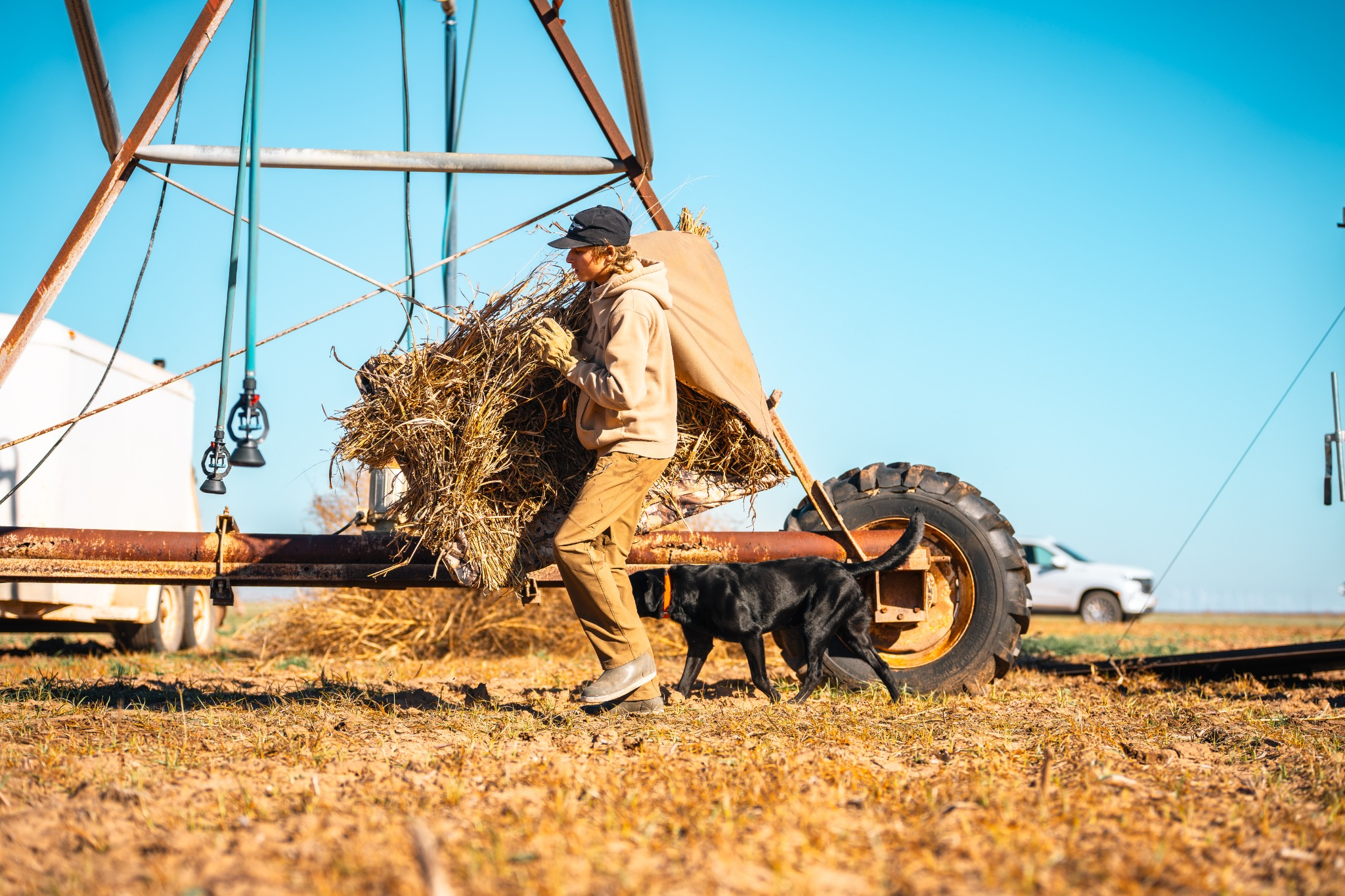
Get your Texas hunting property ready for fall with this landowner checklist. Cover food plots, stand placement, water, and trail cameras before season opener.