
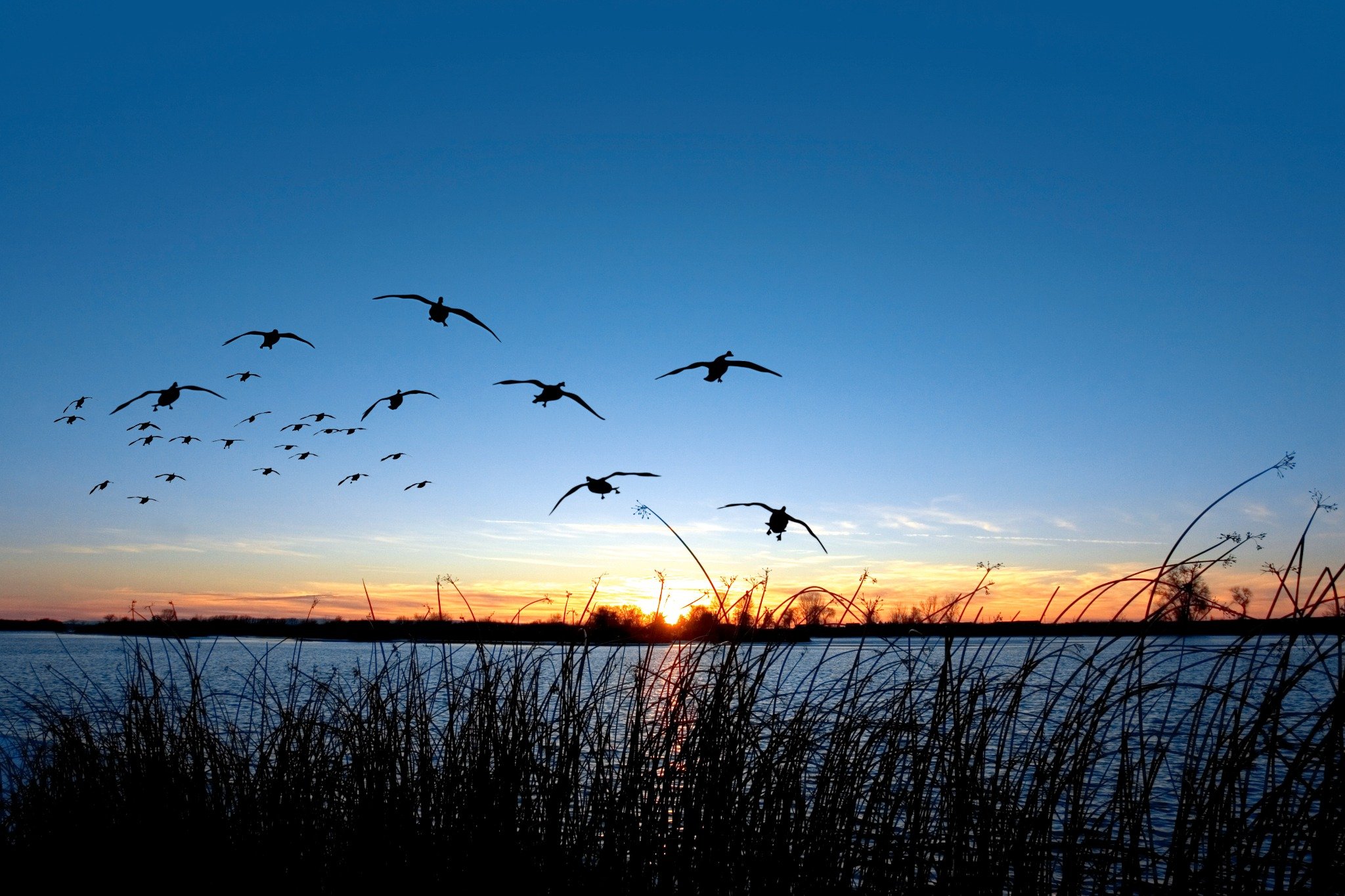
Why Does Texas Waterfowl Hunting: Gear, Grit & the Migration Game Matter?
When it comes to waterfowl hunting in Texas, there’s no shortage of opportunity—or challenge. From the flooded timber of East Texas to the windswept coastal prairie, Texas is a waterfowler’s paradise defined by migration, patience, and grit. Every sunrise brings the potential for mallards, pintails, teal, and geese riding the flyways south.
At BirdDog, we partner with landowners and professional guides who know these flyways inside and out. Whether you’re chasing mallards in backwater sloughs or geese in open rice fields, BirdDog connects hunters to the state’s best private properties and local expertise.

Why Does Where to Hunt Waterfowl in Texas Matter?
Texas is massive—and so is its waterfowl opportunity. The Central Flyway cuts straight through the heart of the state, bringing thousands of migrating birds every season.
- East Texas: Known for flooded timber and backwater duck holes, perfect for mallards and wood ducks.
- Coastal Prairie: Offers some of the best goose and teal hunting in the country, with sprawling rice fields and marshlands.
- Panhandle & High Plains: Ideal for diver ducks, pintails, and mixed flocks on playa lakes.
Through BirdDog, hunters can explore all these regions with exclusive access to managed wetlands, guided hunts, and private blinds—no crowds, no guessing.
Why Does Essential Gear for Texas Duck Hunts Matter?
Waterfowl hunting is all about preparation. The right setup makes or breaks a hunt, especially when conditions shift as quickly as a cold front over the Gulf.
Shotgun
A reliable 12-gauge with a modified choke is the standard choice for most Texas duck hunts. Make sure it’s rated for steel shot, as lead is prohibited for waterfowl.
Ammo
Go with steel 2s or 3s for ducks and BB or larger for geese. Always double-check Texas Parks & Wildlife regulations for the latest ammo and season guidelines.
Decoys
A well-placed spread of mallard decoys works just about anywhere in the state. Add some motion decoys—like spinners or pulsators—for a lifelike setup that draws birds in close.
Clothing
Early-season hunts can be warm and wet, while late-January mornings might freeze your breath midair. Start with breathable waders, then switch to insulated waders as temperatures drop. Don’t forget waterproof gloves, a warm hat, and a shell belt for convenience.
Blind Setup
- Brush it in well—ducks are visual hunters
- Keep movement minimal—they notice everything
- Call only when it counts—less is more
Don’t Forget the Essentials
- Headlamp
- Duck strap
- Coffee (trust us)
Why Does The BirdDog Advantage: Connecting Hunters & Landowners Matter?
What sets BirdDog apart is access. Texas’s best waterfowl hunting happens on private land, and BirdDog makes that access simple. We work directly with landowners who understand habitat management, migration timing, and responsible hunting practices.
Whether you’re a solo hunter looking for a weekend trip or a group booking a full guided experience, BirdDog streamlines the process—from scouting to booking.
No more guesswork. Just great hunts, on great land, with great people.
What Is The Bottom Line?
Texas waterfowl hunting demands patience, preparation, and passion. It’s early mornings, muddy boots, and the reward of wings cupped into the spread. With BirdDog, you get access to premier properties, expert guides, and unforgettable days in the blind.
When those flocks lock up and the sky opens over the decoys—it’s all worth it.
Visit BirdDog today to find and book your next waterfowl hunt.


Read More...
_4096KB.jpg)
A landowner's guide to identifying revenue potential in idle acreage and stacking multiple income streams — farming leases, hunting access, marketplace bookings, and Section 180 savings — through BirdDog.
_4096KB.jpg)
A plain-English explanation of the Section 180 tax deduction for landowners, who qualifies, realistic savings ranges by acreage, and how BirdDog has helped generate over $30 million in savings.
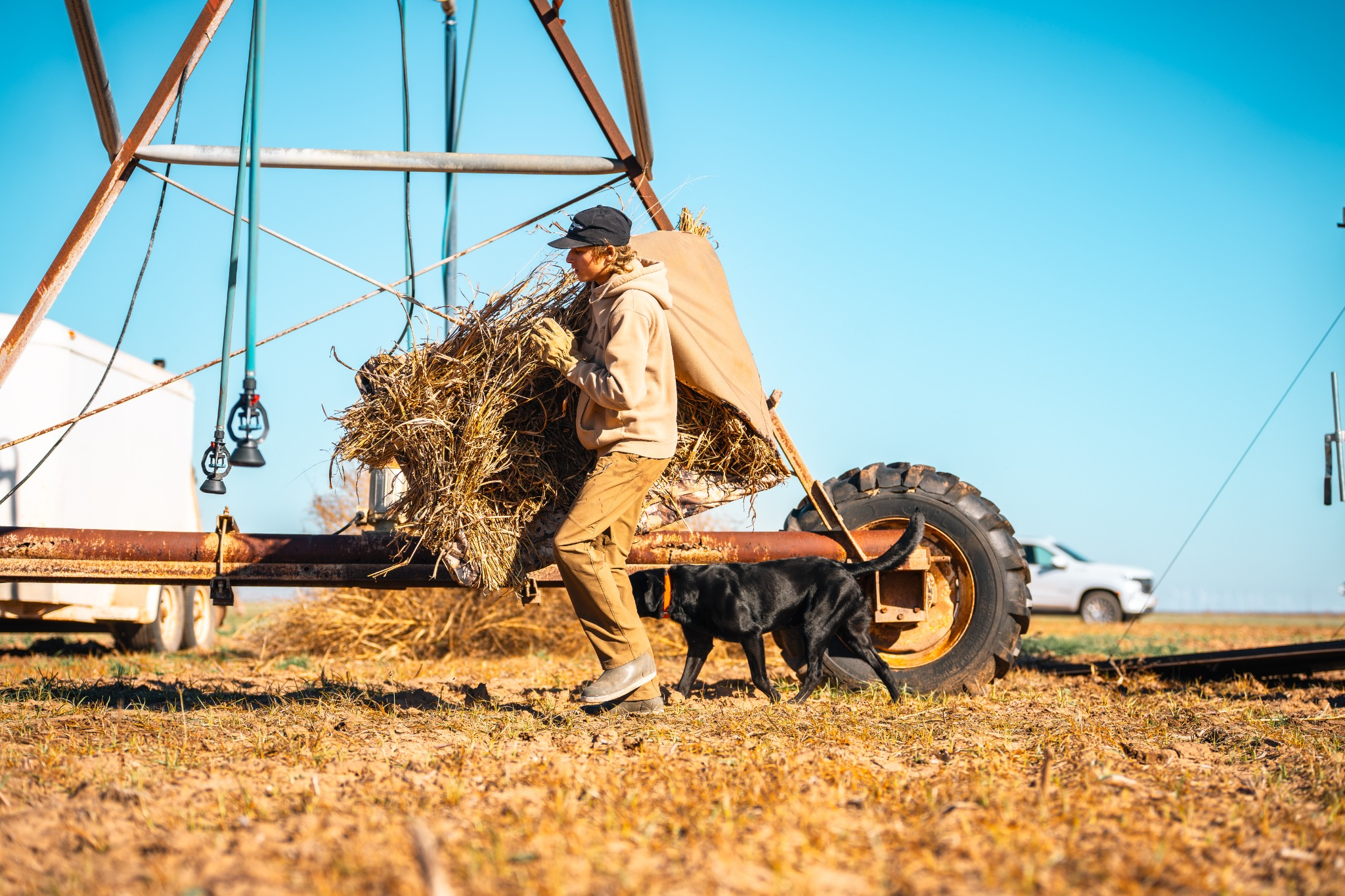
Get your Texas hunting property ready for fall with this landowner checklist. Cover food plots, stand placement, water, and trail cameras before season opener.