
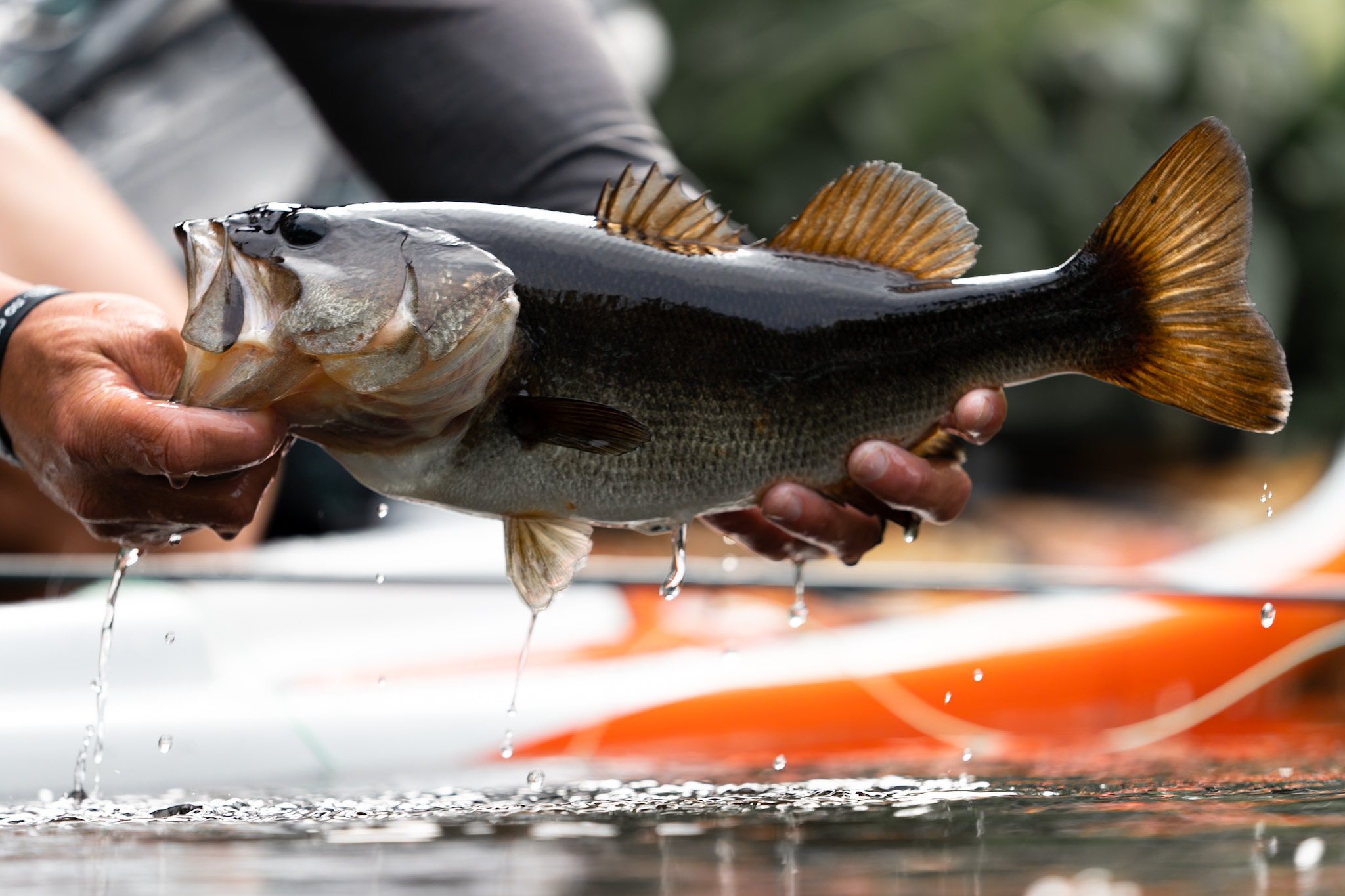
Managing Your Bass Pond in Winter: Tips for Texas Landowners
Winter pond management is one of the most overlooked — and most important — parts of maintaining a healthy bass fishery in Texas. While many landowners assume their pond “takes care of itself” once the weather cools down, the truth is that winter is when your pond sets the foundation for spring growth, forage success, and bass health.
If you own a private pond or ranch lake in Texas, this guide will walk you through the most effective winter bass pond management strategies — and how to set your fishery up for a strong year ahead.
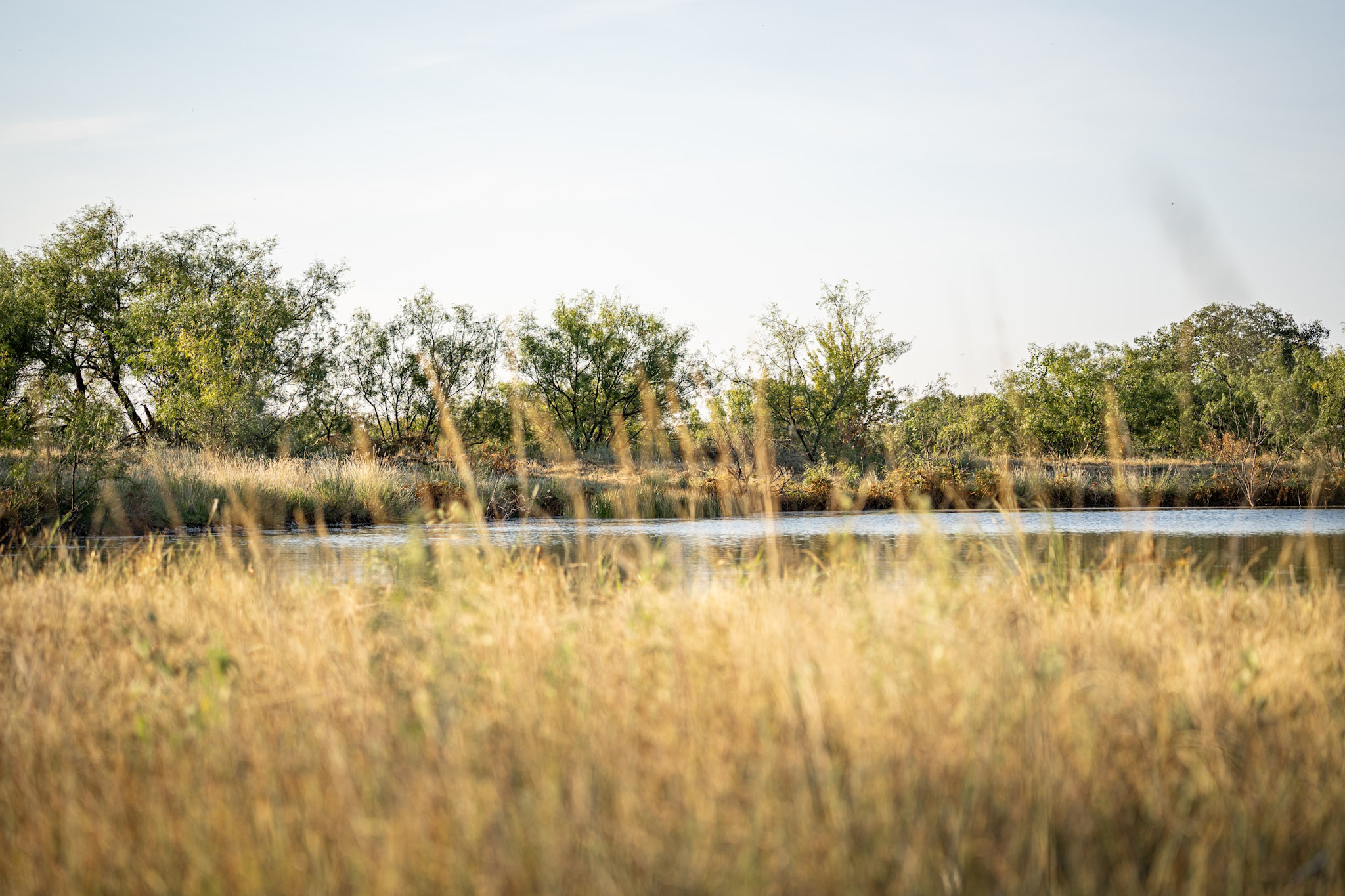
Why Does Why Winter Pond Management Matters in Texas Matter?
Winter pond management matters because decisions made during cold months — aeration, harvest planning, stocking prep — directly determine the health of your fish population and the quality of spring and summer fishing.
Texas winters are typically mild compared to northern states, but even small temperature changes impact pond ecosystems. As water temperatures drop, bass metabolism slows, feeding patterns change, and oxygen dynamics shift.
That means winter is the perfect time to:
- Evaluate fish population balance
- Improve habitat
- Reduce future algae and water quality issues
- Plan spring stocking and harvest strategies
Proactive pond management in winter leads to:
- Bigger bass
- Healthier forage
- Clearer water
- A more consistent fishery year-round
Why Does 1) Monitor Water Quality (Even in Cold Weather) Matter?
Even in cold water, dissolved oxygen levels and water clarity should be checked monthly — oxygen depletion under ice or heavy algae can cause winter fish kills that set a pond's trophy bass program back by years.
One of the most important winter pond management tips is to keep an eye on basic water conditions. You don’t need a full lab test every month, but you should monitor:
What Is Key pond water quality metrics:?
- Water clarity (Secchi disk is ideal)
- pH
- Dissolved oxygen
- Temperature
- Alkalinity
Even in winter, poor water quality can lead to:
- Fish stress
- Low forage survival
- Increased risk of spring algae blooms
Texas Tip: Winter rains can wash nutrients into your pond, feeding algae later in the season. Catching that early is huge.
Why Does 2) Reduce Excess Nutrients Before Spring Algae Blooms Matter?
Reducing nutrient loading in winter — by limiting fertilizer runoff and managing aquatic vegetation — prevents the explosive spring algae blooms that deplete oxygen and stress fish populations.
Most algae problems begin long before summer. Winter is when landowners can control nutrient loading by managing runoff sources.
How Do You Reduce nutrient loading:?
- Keep cattle out of pond edges (or restrict access)
- Add buffer vegetation around pond banks
- Address erosion and bare soil
- Avoid overfeeding fish
- Limit fertilizer use near pond watershed areas
This is one of the best long-term strategies for improving pond clarity and preventing nuisance algae.
Why Does 3) Maintain Aeration Systems (If You Have Them) Matter?
Running aeration systems through winter keeps oxygen levels stable, prevents thermal stratification, and protects bass and forage fish through the coldest months — particularly critical in shallow ponds under 8 feet deep.
If your pond has an aeration system, winter is a good time to ensure it’s working properly. Aeration can help:
- Prevent oxygen crashes
- Improve water quality
- Reduce muck buildup
- Support forage survival
In Texas, some landowners run aeration year-round, while others adjust runtime seasonally. The best schedule depends on your pond depth, vegetation, and fish load.
What Is 4) Evaluate Habitat and Structure?
Winter drawdowns expose submerged structure, allowing you to evaluate existing habitat and add brush piles, rock piles, or timber before water levels return in spring.
Winter is ideal for habitat projects because water levels are often lower and vegetation is reduced. Adding or improving habitat creates better bass recruitment and stronger forage survival.
Why Does Habitat improvements that help bass ponds: Matter?
- Brush piles
- Rock piles
- PVC structures
- Spawning beds
- Shoreline vegetation management
Bass are structure-oriented predators. Better habitat equals more consistent feeding opportunities and healthier growth.
 fishing access BirdDog">
Why Does 5) Harvest Strategy: Winter Is a Great Time to Plan Matter?
Winter is the best time to plan harvest — reviewing your bass population's age structure and removing overpopulated year classes creates room for larger fish to grow before the spring feeding season.
Many Texas bass ponds suffer from one of two problems:
- Too many small bass
- Not enough forage to support growth
Winter is the perfect time to evaluate whether you should harvest more bass (especially in the 10–14 inch range) to reduce competition and improve overall size structure.
Why Does Signs your pond may need harvest management: Matter?
- Bass are skinny / long-headed
- Catch rates are high but fish are small
- Bluegill are scarce
- Few quality bass over 3–5 lbs
A proper harvest strategy is one of the most effective bass management tools available.
Why Does 6) Stocking Plans: Prepare Now for Spring Matter?
Planning spring forage stocking in winter — threadfin shad, bluegill, or fathead minnows — ensures prey is in the water before largemouth bass come out of cold-water lethargy and begin aggressive feeding.
Most pond stocking happens in spring, but winter is the best time to plan. Stocking without a plan can create long-term imbalance.
What Is Common Texas pond stocking considerations:?
- Forage fish (bluegill, fathead minnows, threadfin shad)
- Predator balance (largemouth bass)
- Genetics and strain selection
- Carrying capacity of the pond
If your goal is trophy bass, stocking decisions should be strategic — not random.
Why Does BirdDog Bass Pond Management with Bob Lusk Matter?
BirdDog partners with Bob Lusk — The Pond Boss — to provide landowners with professional bass pond management plans, stocking recommendations, and habitat consulting tailored to Texas private water conditions.
If you’re serious about improving your pond and growing bigger bass, BirdDog offers professional bass pond management services in Texas through Bob Lusk — owner and founder of Pond Boss and a Texas Parks & Wildlife Department (TPWD) Hall of Fame inductee.
Bob is widely recognized as one of the most respected fisheries experts in the country. Through BirdDog, landowners can access pond management guidance tailored to their property, including:
- Fish population analysis
- Habitat recommendations
- Stocking plans
- Harvest strategy
- Water quality guidance
- Long-term trophy bass development
Whether you’re managing a small private pond or a larger ranch lake, BirdDog helps simplify the process and connect landowners with true experts.
Final Thoughts: Winter Pond Management Builds Trophy Bass Fisheries
Managing your bass pond in winter isn’t complicated — but it does require intention. The best fisheries in Texas are built through year-round planning, not just springtime stocking or summertime feeding.
Winter is your chance to reset, improve, and prepare. With the right water quality monitoring, habitat improvements, and fishery strategy, your pond can produce better fishing season after season.
And if you want expert help, BirdDog can guide you through it with proven pond management expertise.


Read More...
_4096KB.jpg)
A landowner's guide to identifying revenue potential in idle acreage and stacking multiple income streams — farming leases, hunting access, marketplace bookings, and Section 180 savings — through BirdDog.
_4096KB.jpg)
A plain-English explanation of the Section 180 tax deduction for landowners, who qualifies, realistic savings ranges by acreage, and how BirdDog has helped generate over $30 million in savings.
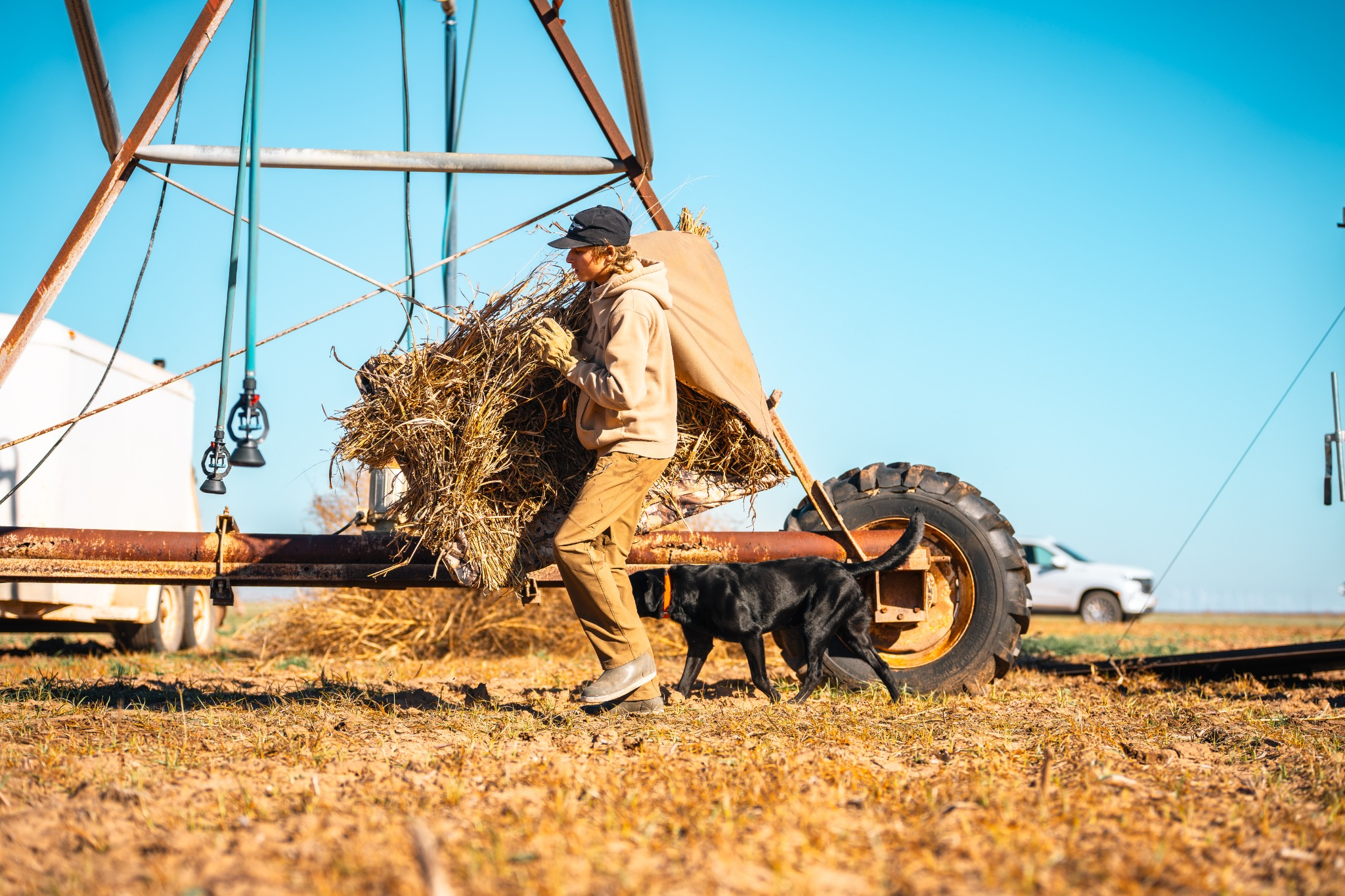
Get your Texas hunting property ready for fall with this landowner checklist. Cover food plots, stand placement, water, and trail cameras before season opener.