Summer Trout Fishing in Rivers: Best Times and Top Locations

Best times, water types, and tactics for catching trout in summer heat
The Summer Challenge

Summer trout fishing has a reputation for being slow, and on many rivers, that reputation is earned. Warm water temperatures push dissolved oxygen levels down. Trout become lethargic, feed less frequently, and seek out cold-water refuges that may not coincide with the water you've been fishing all spring. But the fish don't disappear—they just change their schedule and location, and anglers who adjust with them find summer can still produce quality fishing.

The critical temperature threshold for rainbow trout is around 68-70 degrees Fahrenheit. Above that range, feeding activity drops sharply, and sustained water temperatures above 72-73 degrees cause stress and mortality. Brown trout tolerate slightly warmer water—up to about 75 degrees before serious physiological stress sets in. Both species survive summer in tailwater fisheries like the Guadalupe River in Texas because dam releases maintain cold temperatures year-round. Wild river systems at lower elevations are a different story.
Where Fish Go in Summer

When water warms, trout concentrate at cold-water inputs. Springs feeding into the main river channel produce cold, oxygen-rich water that fish stack up in. If you know where a spring seep or feeder creek enters the river, fish that confluence first on summer mornings—the temperature differential is measurable within a few yards of the input, and fish often suspend directly in the transition zone.

Deep pools offer temperature refuges relative to surrounding riffles. In systems without significant spring input, the deepest holes in the river will hold fish that have retreated from warming surface water during midday. These fish are catchable in early morning and late evening when surface temperatures drop a degree or two, but midday deep-pool fishing for summer trout typically produces poor results.

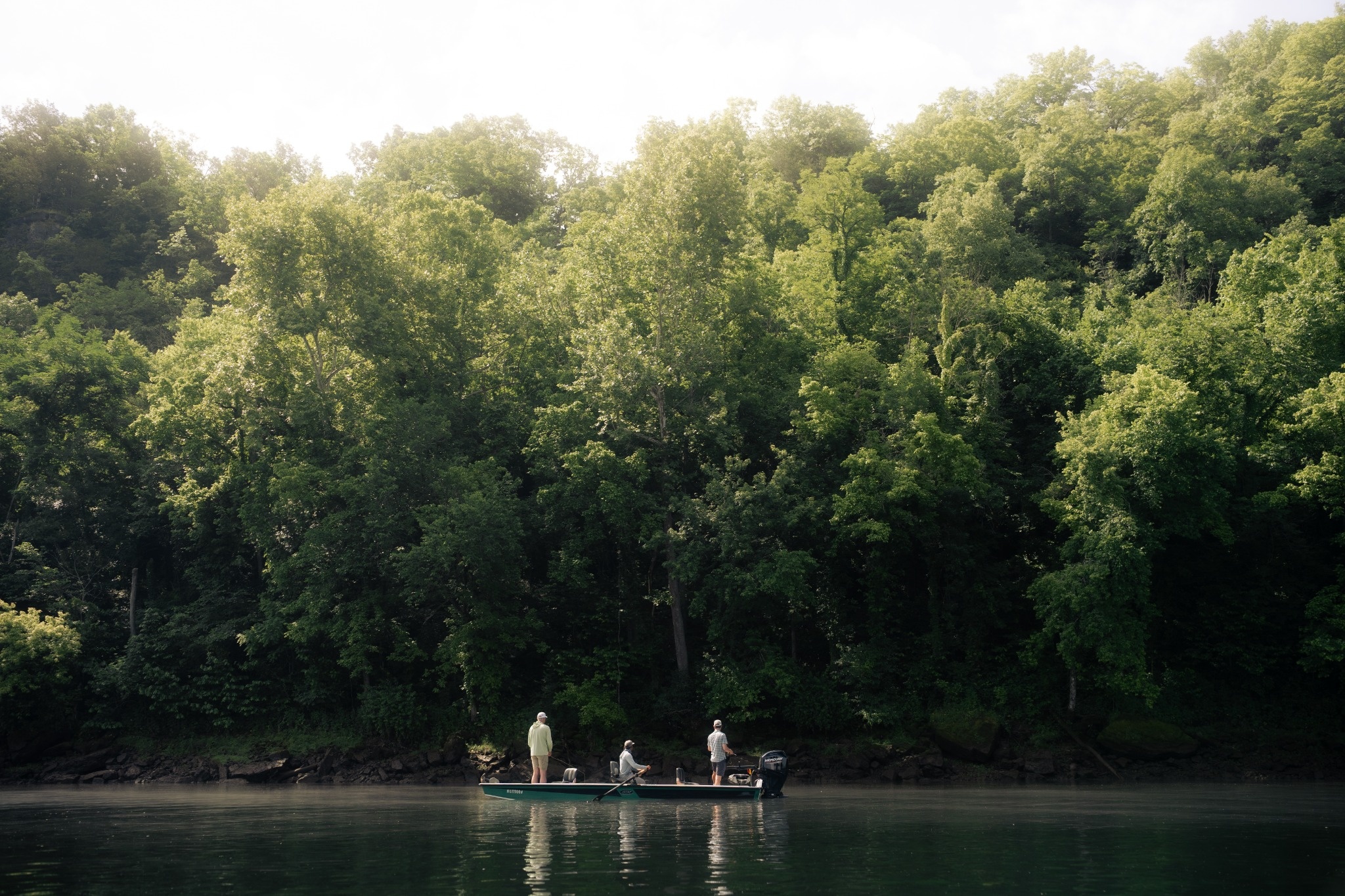
Shade matters more in summer than any other season. Undercut banks beneath overhanging vegetation, north-facing canyon walls that block afternoon sun, and bridges or log jams all create micro-habitats with slightly cooler water and cover. A shaded run at 67 degrees may hold active fish while an adjacent sun-exposed run at 71 degrees sits empty.

The Best Times to Fish

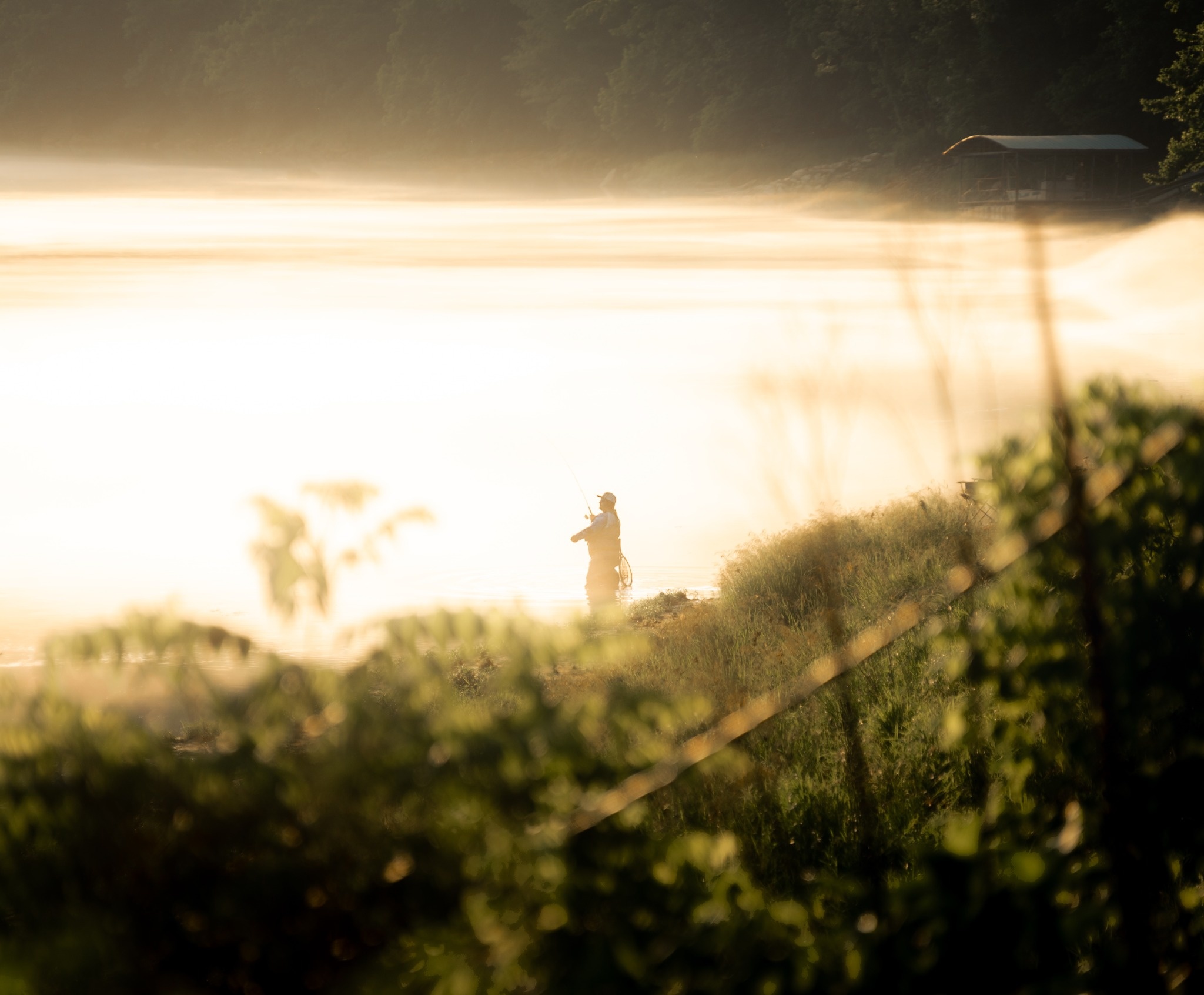
Summer trout fishing is a morning and evening game. Plan to be on the water at first light—typically 5:30-6:30 AM in July and August—when overnight cooling has brought river temperatures to their daily minimum. The first 2-3 hours after sunrise produce the most consistent summer trout activity, particularly in tailwaters where cold releases have had the night to cool the system.

Evening fishing on summer tailwaters can be equally productive. The Guadalupe below Canyon Lake regularly sees strong evening spinner falls and caddis activity from 7:00-9:00 PM in summer, with fish rising actively after the heat of the day breaks. Bring a headlamp—the best fishing often extends past legal light.

Midday summer fishing is largely a waste of time on most systems. If you must fish midday, go deep and go slow. Euro-nymphing heavily weighted flies through the deepest pools can scratch out fish that are holding bottom, but don't expect the feeding aggression of a spring morning.

Summer Techniques

Small flies outperform large ones in summer. Size 18-22 midges, size 16-18 Baetis nymphs, and tiny emerger patterns match the summer forage profile better than the larger stonefly and caddis patterns that dominate spring fishing. Fish have seen a lot of presentations by July—downsizing your flies and lightening your tippet (to 5X-6X) makes a meaningful difference in catch rates.

Terrestrials are a summer highlight. Grasshoppers and beetles become abundant along river banks by July, and a size 10-14 foam hopper pattern drifted tight to cut banks and vegetation edges can trigger aggressive surface strikes from fish that haven't risen to aquatic insects all day. There's nothing subtle about a hopper take—it's one of the more exciting moments in summer dry fly fishing.

If you're concerned about fish welfare—and in warm summer water, you should be—keep fish wet, keep the fight short, and don't fish the same water repeatedly if you're catching and releasing stressed fish. Many responsible guides and anglers skip the lowest-elevation river sections entirely during peak summer heat and focus only on the coldest portions of tailwaters during the coolest parts of the day.

Where to Fish in the Texas Region

The Guadalupe River from Canyon Lake to New Braunfels remains the best publicly accessible summer trout fishery in Texas. Water temperature at the dam release is typically 68-70 degrees even in August—cool enough to maintain active trout and fishable conditions. Access is available at several public parks and TPWD access sites along the river.

For anglers willing to travel, the upper Rio Grande near Taos, New Mexico, and the Pecos River in northern New Mexico offer excellent summer wild trout fishing at elevation, where temperatures remain in the ideal range through August. Private water on some New Mexico spring creek systems maintains exceptional summer conditions. BirdDog's land access marketplace is expanding its footprint into these adjacent states—worth checking for private water access options when public river pressure peaks in summer.

Summer trout fishing rewards early alarms, cold water focus, and smaller flies. The anglers who adapt get good fishing. The ones who fish the same water the same way in July that worked in April go home disappointed.

Book your adventure today with BirdDog!

Read More...

Hunting & Adventure
Off-Season Doesn't Mean Off Duty: The Year-Round Hunter's Guide

Serious hunters work year-round. Discover the off-season habitat work, scouting tasks, and gear prep that give you a decisive edge when hunting season opens.

Read More
Hunting & Adventure
Summer Dove Prep: Planting and Managing Fields for Better Hunting

Start dove field prep now to maximize your Texas season. Learn what to plant, when to mow, and how to manage sunflowers and milo for more birds over your fields.

Read More
Fishing & Adventure
Spring Fly Fishing for Trout: Techniques That Actually Work

Spring fly fishing for trout is all about matching the hatch and reading the water. Discover proven techniques, fly patterns, and timing strategies for more fish.

Read More

Summer Trout Fishing in Rivers: Best Times and Top Locations

Best times, water types, and tactics for catching trout in summer heat

The Summer Challenge

Summer trout fishing has a reputation for being slow, and on many rivers, that reputation is earned. Warm water temperatures push dissolved oxygen levels down. Trout become lethargic, feed less frequently, and seek out cold-water refuges that may not coincide with the water you've been fishing all spring. But the fish don't disappear—they just change their schedule and location, and anglers who adjust with them find summer can still produce quality fishing.

The critical temperature threshold for rainbow trout is around 68-70 degrees Fahrenheit. Above that range, feeding activity drops sharply, and sustained water temperatures above 72-73 degrees cause stress and mortality. Brown trout tolerate slightly warmer water—up to about 75 degrees before serious physiological stress sets in. Both species survive summer in tailwater fisheries like the Guadalupe River in Texas because dam releases maintain cold temperatures year-round. Wild river systems at lower elevations are a different story.

Where Fish Go in Summer

When water warms, trout concentrate at cold-water inputs. Springs feeding into the main river channel produce cold, oxygen-rich water that fish stack up in. If you know where a spring seep or feeder creek enters the river, fish that confluence first on summer mornings—the temperature differential is measurable within a few yards of the input, and fish often suspend directly in the transition zone.

Deep pools offer temperature refuges relative to surrounding riffles. In systems without significant spring input, the deepest holes in the river will hold fish that have retreated from warming surface water during midday. These fish are catchable in early morning and late evening when surface temperatures drop a degree or two, but midday deep-pool fishing for summer trout typically produces poor results.

Shade matters more in summer than any other season. Undercut banks beneath overhanging vegetation, north-facing canyon walls that block afternoon sun, and bridges or log jams all create micro-habitats with slightly cooler water and cover. A shaded run at 67 degrees may hold active fish while an adjacent sun-exposed run at 71 degrees sits empty.

The Best Times to Fish

Summer trout fishing is a morning and evening game. Plan to be on the water at first light—typically 5:30-6:30 AM in July and August—when overnight cooling has brought river temperatures to their daily minimum. The first 2-3 hours after sunrise produce the most consistent summer trout activity, particularly in tailwaters where cold releases have had the night to cool the system.

Evening fishing on summer tailwaters can be equally productive. The Guadalupe below Canyon Lake regularly sees strong evening spinner falls and caddis activity from 7:00-9:00 PM in summer, with fish rising actively after the heat of the day breaks. Bring a headlamp—the best fishing often extends past legal light.

Midday summer fishing is largely a waste of time on most systems. If you must fish midday, go deep and go slow. Euro-nymphing heavily weighted flies through the deepest pools can scratch out fish that are holding bottom, but don't expect the feeding aggression of a spring morning.

Summer Techniques

Small flies outperform large ones in summer. Size 18-22 midges, size 16-18 Baetis nymphs, and tiny emerger patterns match the summer forage profile better than the larger stonefly and caddis patterns that dominate spring fishing. Fish have seen a lot of presentations by July—downsizing your flies and lightening your tippet (to 5X-6X) makes a meaningful difference in catch rates.

Terrestrials are a summer highlight. Grasshoppers and beetles become abundant along river banks by July, and a size 10-14 foam hopper pattern drifted tight to cut banks and vegetation edges can trigger aggressive surface strikes from fish that haven't risen to aquatic insects all day. There's nothing subtle about a hopper take—it's one of the more exciting moments in summer dry fly fishing.

If you're concerned about fish welfare—and in warm summer water, you should be—keep fish wet, keep the fight short, and don't fish the same water repeatedly if you're catching and releasing stressed fish. Many responsible guides and anglers skip the lowest-elevation river sections entirely during peak summer heat and focus only on the coldest portions of tailwaters during the coolest parts of the day.

Where to Fish in the Texas Region

The Guadalupe River from Canyon Lake to New Braunfels remains the best publicly accessible summer trout fishery in Texas. Water temperature at the dam release is typically 68-70 degrees even in August—cool enough to maintain active trout and fishable conditions. Access is available at several public parks and TPWD access sites along the river.

For anglers willing to travel, the upper Rio Grande near Taos, New Mexico, and the Pecos River in northern New Mexico offer excellent summer wild trout fishing at elevation, where temperatures remain in the ideal range through August. Private water on some New Mexico spring creek systems maintains exceptional summer conditions. BirdDog's land access marketplace is expanding its footprint into these adjacent states—worth checking for private water access options when public river pressure peaks in summer.

Summer trout fishing rewards early alarms, cold water focus, and smaller flies. The anglers who adapt get good fishing. The ones who fish the same water the same way in July that worked in April go home disappointed.

Book your adventure today with BirdDog!

Read More...

Hunting & Adventure
Off-Season Doesn't Mean Off Duty: The Year-Round Hunter's Guide

Serious hunters work year-round. Discover the off-season habitat work, scouting tasks, and gear prep that give you a decisive edge when hunting season opens.

Read More
Hunting & Adventure
Summer Dove Prep: Planting and Managing Fields for Better Hunting

Start dove field prep now to maximize your Texas season. Learn what to plant, when to mow, and how to manage sunflowers and milo for more birds over your fields.

Read More
Fishing & Adventure
Spring Fly Fishing for Trout: Techniques That Actually Work

Spring fly fishing for trout is all about matching the hatch and reading the water. Discover proven techniques, fly patterns, and timing strategies for more fish.

Read More