How to Protect Wildlife During Summer Drought on Texas Land

Water sources, shade, and habitat strategies for drought-year wildlife management
What Drought Does to Wildlife

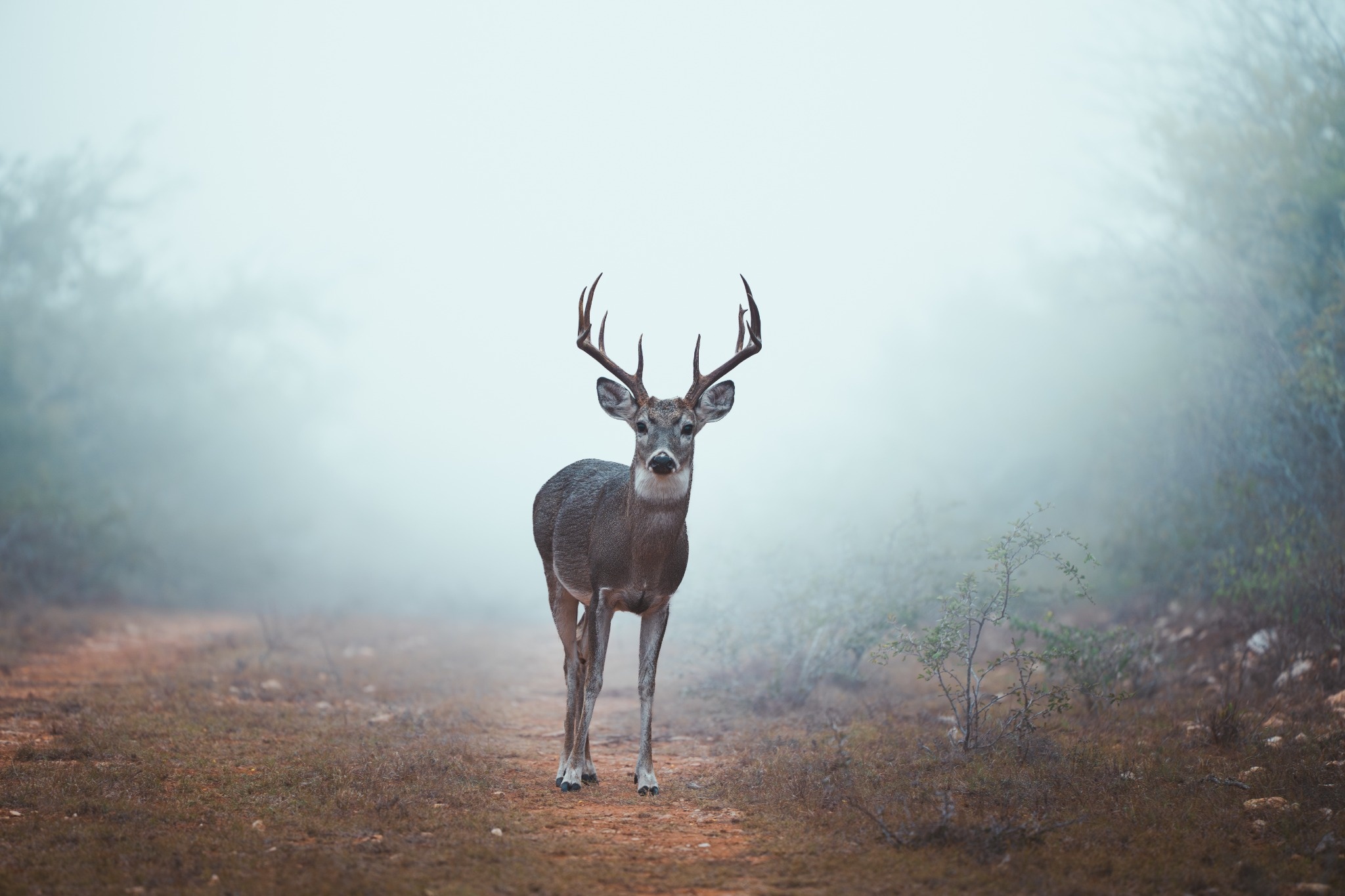
Texas droughts are cyclical, severe, and increasingly frequent. When rainfall drops below 50% of normal for an extended period—as it did across much of Central and South Texas in 2011, 2022, and multiple summers in between—the effects on wildlife are cascading. It's not just that animals are thirsty. It's that forage quality crashes, fawn survival drops, body condition deteriorates before winter, and the die-offs that follow can take multiple years to recover from.

Whitetail does that experience severe nutritional stress during gestation and lactation in a drought year produce fewer twins, wean fawns at lower weights, and have lower conception rates the following fall. A single bad drought year can suppress a deer population for two or three seasons after the rain returns. For quail—which have a single breeding season per year—a drought that reduces nesting cover and brood survival can collapse a population that took a decade to build.

The good news is that landowners have real tools to reduce drought impact on their wildlife. None of them fully replace rainfall, but the properties that implement them consistently lose far fewer animals through severe drought than those that don't.

Water: The Most Critical Intervention

Supplemental water is the highest-impact thing a landowner can do during drought. In dry years, wildlife travels much farther and burns more energy finding water—energy that should be going toward growth, reproduction, and survival. A reliable water source within a half-mile of every part of a property keeps animals on home range, reduces predator exposure from long water treks, and maintains body condition through the hottest months.

Elevated water troughs with float valves are the most maintenance-free option. They stay clean, don't become stagnant, and can be refilled by water haulers if well supplies drop. In areas where tanker access is difficult, a rainwater catchment system connected to a large storage tank can provide months of water from a single significant rain event. Game-specific watering devices—low-profile quail drinkers, for example—are worth adding to the standard cattle water infrastructure for multi-species management.

Existing ponds and tanks require intervention during drought to maximize their value. Keep them clean of excessive vegetation that accelerates evaporation. Install ramps or gently sloped entry points so animals can access water as levels drop without becoming trapped or struggling on steep banks. If a tank is dropping critically, hauling water to maintain a minimum level may be justified on properties with significant wildlife investment.
Managing Forage During Drought

When native pasture production drops due to drought, supplemental feeding of protein pellets and corn can partially compensate for reduced forage quality—but the mechanics matter. Simply running feeders higher during drought isn't enough if the underlying nutrition is inadequate. Supplement with high-protein (20%+) pelleted feed that supports antler development in bucks and milk production in does when native forage quality has dropped.

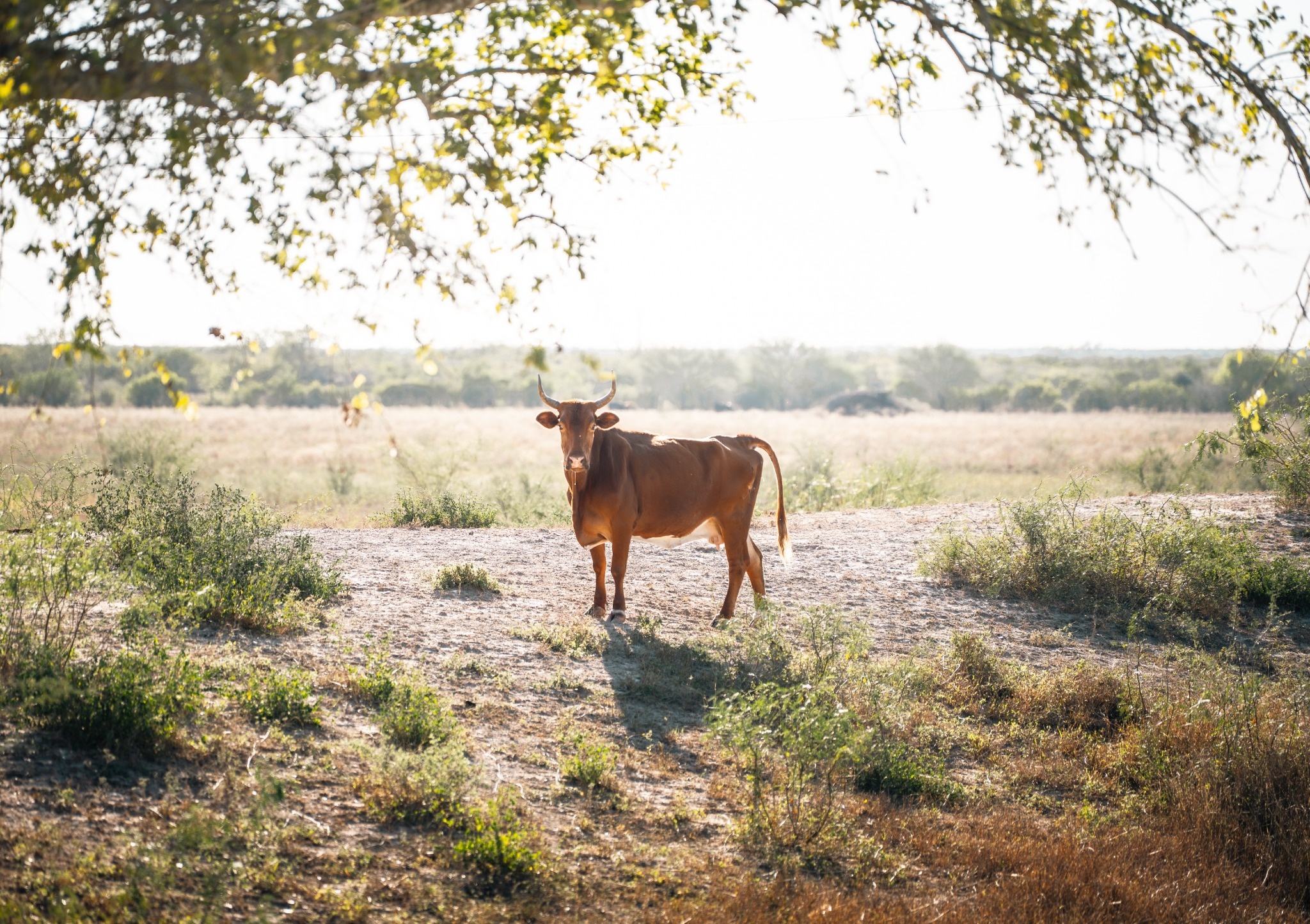
Reduce or eliminate cattle grazing pressure on drought-stressed pastures. Overstocking during drought accelerates grass decline and can take years to reverse. If you run cattle and wildlife, err heavily on the side of wildlife during drought years by reducing cattle numbers or moving them to pastures with better forage. The wildlife value of your land is a long-term asset; sacrificing it to carry extra cattle through a drought year is rarely a worthwhile trade.

If you have irrigated food plots or access to supplemental plant production, drought summers are when those investments pay off most clearly. A small irrigated plot of lablab, cowpeas, or summer grain sorghum in a dry year can concentrate and sustain deer on your property when surrounding native range is barren.

Predator Control Intensity During Drought

Drought years are also when predator control matters most. Prey animals are weaker, more concentrated around water sources, and traveling farther for food—all conditions that make predation more efficient. Coyotes exploit water sources as ambush locations, taking deer and other animals that have no alternative to approaching known water.

Trap specifically around water sources during drought. A foot-hold or cage trap set 20-30 yards from a water feature, concealed in natural cover, will catch significantly more coyotes during drought conditions than the same trap set away from water. Check daily—trapped animals in summer heat deteriorate quickly, which is both inhumane and produces a poor-quality carcass for any required documentation.

Planning Around Drought Cycles

Drought in Texas is a when, not an if. Properties that have reliable water infrastructure in place before a drought begins are in a dramatically better position than those trying to retrofit solutions after the dry conditions have already stressed the herd. The time to build a new tank, install water distribution lines, or develop supplemental water points is when it hasn't rained in two weeks, not when it hasn't rained in two months.

For landowners building formal wildlife management documentation—required for the Texas wildlife exemption that reduces property tax burden—drought response activities including water development, supplemental feeding, and documented predator control during dry years count as management practices. BirdDog's land management tools make recording and organizing these activities straightforward, building the paper trail that supports both TPWD wildlife exemption applications and long-term herd management continuity.

Drought will come again. How your wildlife herd comes out the other side depends on decisions made now, while conditions are still manageable.

Speak to a BirdDog professional today!

Read More...

Hunting & Adventure
Off-Season Doesn't Mean Off Duty: The Year-Round Hunter's Guide

Serious hunters work year-round. Discover the off-season habitat work, scouting tasks, and gear prep that give you a decisive edge when hunting season opens.

Read More
Fishing & Adventure
Early Morning Redfish Tips: Beating the Heat and Finding Fish

Early morning redfish fishing on Texas bays beats the summer heat and puts more fish in the boat. Learn the tides, locations, and tactics that work at first light.

Read More
Fishing & Adventure
Summer Trout Fishing in Rivers: Best Times and Top Locations

Summer trout fishing in rivers requires smart timing and location. Learn the best times of day, productive water types, and tactics to catch more trout when temps rise.

Read More

How to Protect Wildlife During Summer Drought on Texas Land

Water sources, shade, and habitat strategies for drought-year wildlife management

What Drought Does to Wildlife

Texas droughts are cyclical, severe, and increasingly frequent. When rainfall drops below 50% of normal for an extended period—as it did across much of Central and South Texas in 2011, 2022, and multiple summers in between—the effects on wildlife are cascading. It's not just that animals are thirsty. It's that forage quality crashes, fawn survival drops, body condition deteriorates before winter, and the die-offs that follow can take multiple years to recover from.

Whitetail does that experience severe nutritional stress during gestation and lactation in a drought year produce fewer twins, wean fawns at lower weights, and have lower conception rates the following fall. A single bad drought year can suppress a deer population for two or three seasons after the rain returns. For quail—which have a single breeding season per year—a drought that reduces nesting cover and brood survival can collapse a population that took a decade to build.

The good news is that landowners have real tools to reduce drought impact on their wildlife. None of them fully replace rainfall, but the properties that implement them consistently lose far fewer animals through severe drought than those that don't.

Water: The Most Critical Intervention

Supplemental water is the highest-impact thing a landowner can do during drought. In dry years, wildlife travels much farther and burns more energy finding water—energy that should be going toward growth, reproduction, and survival. A reliable water source within a half-mile of every part of a property keeps animals on home range, reduces predator exposure from long water treks, and maintains body condition through the hottest months.

Elevated water troughs with float valves are the most maintenance-free option. They stay clean, don't become stagnant, and can be refilled by water haulers if well supplies drop. In areas where tanker access is difficult, a rainwater catchment system connected to a large storage tank can provide months of water from a single significant rain event. Game-specific watering devices—low-profile quail drinkers, for example—are worth adding to the standard cattle water infrastructure for multi-species management.

Existing ponds and tanks require intervention during drought to maximize their value. Keep them clean of excessive vegetation that accelerates evaporation. Install ramps or gently sloped entry points so animals can access water as levels drop without becoming trapped or struggling on steep banks. If a tank is dropping critically, hauling water to maintain a minimum level may be justified on properties with significant wildlife investment.

Managing Forage During Drought

When native pasture production drops due to drought, supplemental feeding of protein pellets and corn can partially compensate for reduced forage quality—but the mechanics matter. Simply running feeders higher during drought isn't enough if the underlying nutrition is inadequate. Supplement with high-protein (20%+) pelleted feed that supports antler development in bucks and milk production in does when native forage quality has dropped.

Reduce or eliminate cattle grazing pressure on drought-stressed pastures. Overstocking during drought accelerates grass decline and can take years to reverse. If you run cattle and wildlife, err heavily on the side of wildlife during drought years by reducing cattle numbers or moving them to pastures with better forage. The wildlife value of your land is a long-term asset; sacrificing it to carry extra cattle through a drought year is rarely a worthwhile trade.

If you have irrigated food plots or access to supplemental plant production, drought summers are when those investments pay off most clearly. A small irrigated plot of lablab, cowpeas, or summer grain sorghum in a dry year can concentrate and sustain deer on your property when surrounding native range is barren.

Predator Control Intensity During Drought

Drought years are also when predator control matters most. Prey animals are weaker, more concentrated around water sources, and traveling farther for food—all conditions that make predation more efficient. Coyotes exploit water sources as ambush locations, taking deer and other animals that have no alternative to approaching known water.

Trap specifically around water sources during drought. A foot-hold or cage trap set 20-30 yards from a water feature, concealed in natural cover, will catch significantly more coyotes during drought conditions than the same trap set away from water. Check daily—trapped animals in summer heat deteriorate quickly, which is both inhumane and produces a poor-quality carcass for any required documentation.

Planning Around Drought Cycles

Drought in Texas is a when, not an if. Properties that have reliable water infrastructure in place before a drought begins are in a dramatically better position than those trying to retrofit solutions after the dry conditions have already stressed the herd. The time to build a new tank, install water distribution lines, or develop supplemental water points is when it hasn't rained in two weeks, not when it hasn't rained in two months.

For landowners building formal wildlife management documentation—required for the Texas wildlife exemption that reduces property tax burden—drought response activities including water development, supplemental feeding, and documented predator control during dry years count as management practices. BirdDog's land management tools make recording and organizing these activities straightforward, building the paper trail that supports both TPWD wildlife exemption applications and long-term herd management continuity.

Drought will come again. How your wildlife herd comes out the other side depends on decisions made now, while conditions are still manageable.

Speak to a BirdDog professional today!

Read More...

Hunting & Adventure
Off-Season Doesn't Mean Off Duty: The Year-Round Hunter's Guide

Serious hunters work year-round. Discover the off-season habitat work, scouting tasks, and gear prep that give you a decisive edge when hunting season opens.

Read More
Fishing & Adventure
Early Morning Redfish Tips: Beating the Heat and Finding Fish

Early morning redfish fishing on Texas bays beats the summer heat and puts more fish in the boat. Learn the tides, locations, and tactics that work at first light.

Read More
Fishing & Adventure
Summer Trout Fishing in Rivers: Best Times and Top Locations

Summer trout fishing in rivers requires smart timing and location. Learn the best times of day, productive water types, and tactics to catch more trout when temps rise.

Read More