Early Morning Redfish Tips: Beating the Heat and Finding Fish

Tide windows, bay locations, and presentations for summer redfish success
Why the First Hour Matters Most

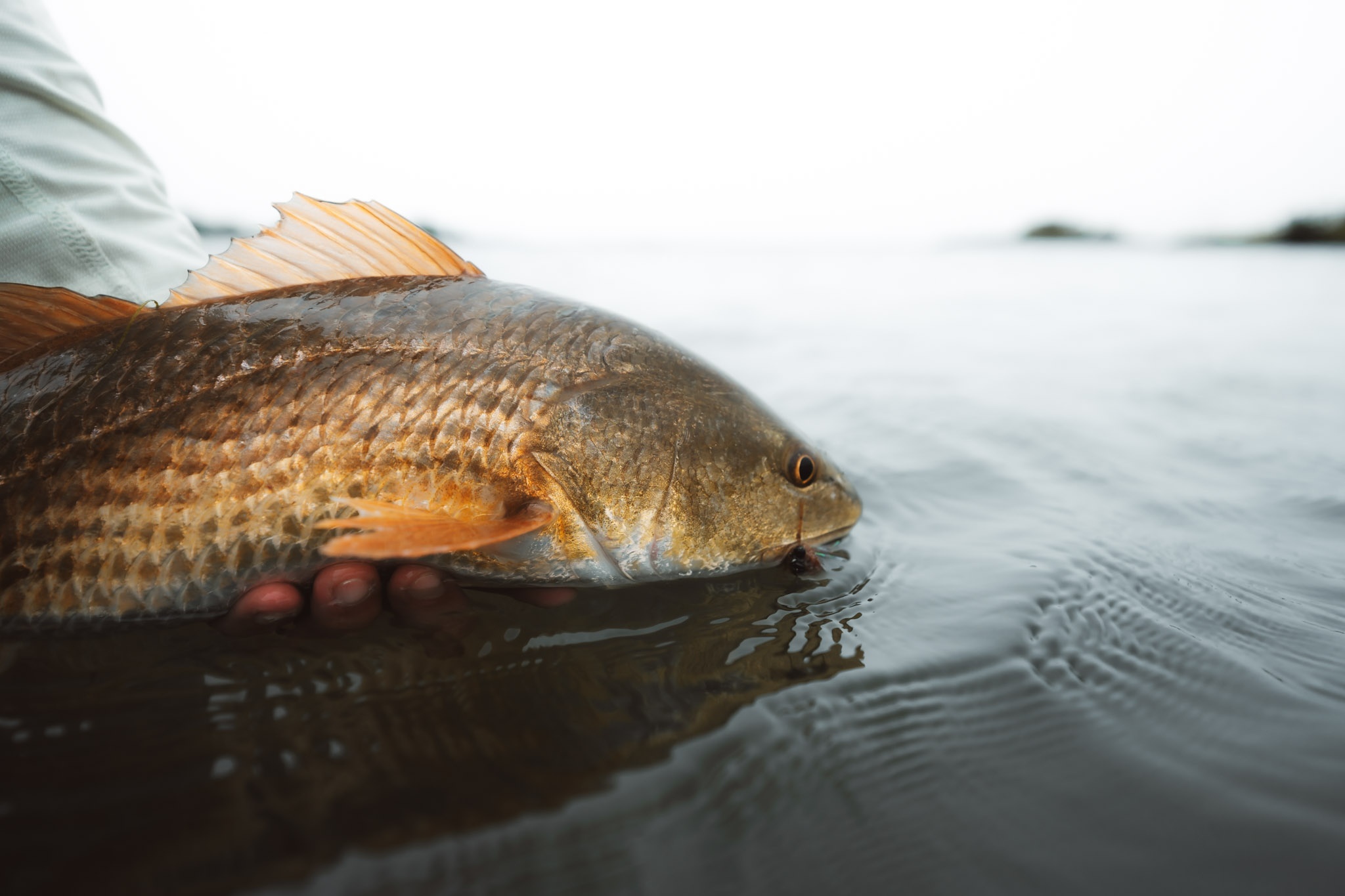
Summer redfish fishing in Texas is a race against the sun. From late June through September, water temperatures in shallow bays can climb from comfortable fishing conditions at first light to fish-suppressing warmth by 9:00 or 10:00 AM. The anglers who adapt their schedule to that reality—launching in the dark, arriving on the flat at first light—catch fish consistently. The ones who leave the dock at 7:30 AM are fishing the back half of the window.

Redfish don't disappear in summer. They move. In the early morning hours, they push onto shallow flats and into marsh edges to feed before retreating to deeper, cooler water as temperatures climb. That feeding window is predictable, and fish that know a flat are on it at the same time every morning. Put yourself there ahead of them, and you're ahead of the game.

Targeting Summer Morning Flats

The best summer morning flats share specific characteristics. Look for areas with eastern or southeastern exposure that receive the first morning sun—this warms them slightly faster than surrounding water and draws fish in ahead of shaded areas. Grass flats adjacent to slightly deeper drains or potholes give fish a travel route from their nighttime holding water onto feeding grounds, and back out when they're done.

In the Laguna Madre and Lower Laguna south of Corpus Christi, redfish are often found in inches of water at first light—pushing up hard against shallow shorelines covered with shoalgrass. The sight casting conditions in calm, early-morning light on the Laguna can be exceptional from May through September. Glass-smooth surface conditions at 6:30 AM in July reveal fish that are impossible to spot by 8:00 when wind arrives.

Aransas Bay, Copano Bay, and the flats around Rockport are productive summer morning destinations on the Upper Coast. The drain systems and spoil islands around the Intracoastal Waterway create transition zones that concentrate summer redfish during their morning feed. Flounder and speckled trout also use these same zones, making the morning hours on these flats genuinely multi-species.

Tactics for Low-Light and Early Sun

Low-light sight casting is harder than midmorning work—you can't see as far or as clearly, and the fish have the visual advantage. Compensate by reading surface disturbances rather than relying on visual fish identification. A push or wake on a calm summer morning flat is almost always a redfish. A subtle V-wake moving slowly along a grass edge is a feeding fish. Learn to read the water rather than waiting until you can see the fish clearly.

Lure selection in low-light conditions should favor sound and vibration over visual presentation. A gold spoon creates flash and vibration that fish can detect in limited visibility. A paddle-tail swimbait on a light jig head retrieved along the bottom through the flat activates redfish that may not be actively tailing. As light increases and you can sight cast, transition to quieter presentations—weedless soft plastics and flies—that don't spook fish in thin, clear water.

Topwater lures on summer mornings are genuinely effective and produce some of the most memorable strikes in inshore fishing. A She Dog, MirrOlure She Pup, or similar walking bait worked along a grass edge in the first 30 minutes after first light will pull topwater strikes from reds and trout that no other presentation replicates. The window for topwater closes quickly as light intensifies—use it while you have it.

Beating the Heat Logistically

A 4:30-5:00 AM departure puts you launching at nautical twilight and on your target flat as the sky begins to brighten. This requires preparation the night before: boat fueled and rigged, tackle organized, food and water packed. Summer heat is also a safety consideration—bring more water than you think you need, wear UV-protective clothing, and build a plan to be off exposed flats before 10:00 AM when ambient temperatures are climbing toward 100 degrees in July and August.

Wade fishing in summer requires attention to stingray protocol. Shuffle your feet rather than lifting and stepping—this alerts rays buried in the sand and gives them time to move. Summer stingray activity in shallow bays increases significantly as water temperatures warm, and stings on wading anglers are common from June through September. The precaution is simple; the injury from skipping it is not.

Fishing from a kayak or paddle craft allows access to extremely shallow areas that even a shallow-running boat can't reach, and the quiet approach of a paddled vessel dramatically reduces the spooking radius on summer flats. For anglers who want access to undisturbed backcountry flats that power boats don't reach, BirdDog's coastal property listings sometimes include water-access points to private shorelines and tidal flats that see minimal pressure—a significant advantage in summer when public bay systems are crowded.

Summer redfish are there. You just have to show up early enough to find them where they want to be.

Read More...

Hunting & Adventure
Off-Season Doesn't Mean Off Duty: The Year-Round Hunter's Guide

Serious hunters work year-round. Discover the off-season habitat work, scouting tasks, and gear prep that give you a decisive edge when hunting season opens.

Read More
Hunting & Adventure
Summer Dove Prep: Planting and Managing Fields for Better Hunting

Start dove field prep now to maximize your Texas season. Learn what to plant, when to mow, and how to manage sunflowers and milo for more birds over your fields.

Read More
Fishing & Adventure
Spring Fly Fishing for Trout: Techniques That Actually Work

Spring fly fishing for trout is all about matching the hatch and reading the water. Discover proven techniques, fly patterns, and timing strategies for more fish.

Read More

Early Morning Redfish Tips: Beating the Heat and Finding Fish

Tide windows, bay locations, and presentations for summer redfish success

Why the First Hour Matters Most

Summer redfish fishing in Texas is a race against the sun. From late June through September, water temperatures in shallow bays can climb from comfortable fishing conditions at first light to fish-suppressing warmth by 9:00 or 10:00 AM. The anglers who adapt their schedule to that reality—launching in the dark, arriving on the flat at first light—catch fish consistently. The ones who leave the dock at 7:30 AM are fishing the back half of the window.

Redfish don't disappear in summer. They move. In the early morning hours, they push onto shallow flats and into marsh edges to feed before retreating to deeper, cooler water as temperatures climb. That feeding window is predictable, and fish that know a flat are on it at the same time every morning. Put yourself there ahead of them, and you're ahead of the game.

Targeting Summer Morning Flats

The best summer morning flats share specific characteristics. Look for areas with eastern or southeastern exposure that receive the first morning sun—this warms them slightly faster than surrounding water and draws fish in ahead of shaded areas. Grass flats adjacent to slightly deeper drains or potholes give fish a travel route from their nighttime holding water onto feeding grounds, and back out when they're done.

In the Laguna Madre and Lower Laguna south of Corpus Christi, redfish are often found in inches of water at first light—pushing up hard against shallow shorelines covered with shoalgrass. The sight casting conditions in calm, early-morning light on the Laguna can be exceptional from May through September. Glass-smooth surface conditions at 6:30 AM in July reveal fish that are impossible to spot by 8:00 when wind arrives.

Aransas Bay, Copano Bay, and the flats around Rockport are productive summer morning destinations on the Upper Coast. The drain systems and spoil islands around the Intracoastal Waterway create transition zones that concentrate summer redfish during their morning feed. Flounder and speckled trout also use these same zones, making the morning hours on these flats genuinely multi-species.

Tactics for Low-Light and Early Sun

Low-light sight casting is harder than midmorning work—you can't see as far or as clearly, and the fish have the visual advantage. Compensate by reading surface disturbances rather than relying on visual fish identification. A push or wake on a calm summer morning flat is almost always a redfish. A subtle V-wake moving slowly along a grass edge is a feeding fish. Learn to read the water rather than waiting until you can see the fish clearly.

Lure selection in low-light conditions should favor sound and vibration over visual presentation. A gold spoon creates flash and vibration that fish can detect in limited visibility. A paddle-tail swimbait on a light jig head retrieved along the bottom through the flat activates redfish that may not be actively tailing. As light increases and you can sight cast, transition to quieter presentations—weedless soft plastics and flies—that don't spook fish in thin, clear water.

Topwater lures on summer mornings are genuinely effective and produce some of the most memorable strikes in inshore fishing. A She Dog, MirrOlure She Pup, or similar walking bait worked along a grass edge in the first 30 minutes after first light will pull topwater strikes from reds and trout that no other presentation replicates. The window for topwater closes quickly as light intensifies—use it while you have it.

Beating the Heat Logistically

A 4:30-5:00 AM departure puts you launching at nautical twilight and on your target flat as the sky begins to brighten. This requires preparation the night before: boat fueled and rigged, tackle organized, food and water packed. Summer heat is also a safety consideration—bring more water than you think you need, wear UV-protective clothing, and build a plan to be off exposed flats before 10:00 AM when ambient temperatures are climbing toward 100 degrees in July and August.

Wade fishing in summer requires attention to stingray protocol. Shuffle your feet rather than lifting and stepping—this alerts rays buried in the sand and gives them time to move. Summer stingray activity in shallow bays increases significantly as water temperatures warm, and stings on wading anglers are common from June through September. The precaution is simple; the injury from skipping it is not.

Fishing from a kayak or paddle craft allows access to extremely shallow areas that even a shallow-running boat can't reach, and the quiet approach of a paddled vessel dramatically reduces the spooking radius on summer flats. For anglers who want access to undisturbed backcountry flats that power boats don't reach, BirdDog's coastal property listings sometimes include water-access points to private shorelines and tidal flats that see minimal pressure—a significant advantage in summer when public bay systems are crowded.

Summer redfish are there. You just have to show up early enough to find them where they want to be.

Read More...

Hunting & Adventure
Off-Season Doesn't Mean Off Duty: The Year-Round Hunter's Guide

Serious hunters work year-round. Discover the off-season habitat work, scouting tasks, and gear prep that give you a decisive edge when hunting season opens.

Read More
Hunting & Adventure
Summer Dove Prep: Planting and Managing Fields for Better Hunting

Start dove field prep now to maximize your Texas season. Learn what to plant, when to mow, and how to manage sunflowers and milo for more birds over your fields.

Read More
Fishing & Adventure
Spring Fly Fishing for Trout: Techniques That Actually Work

Spring fly fishing for trout is all about matching the hatch and reading the water. Discover proven techniques, fly patterns, and timing strategies for more fish.

Read More