What Is Section 180 and How Much Can It Actually Save You?

A Tax Provision Most Landowners Have Never Heard Of

If you own 40 or more acres of rural land, there's a good chance you're sitting on an unused tax deduction. Not a deduction you need to do anything new to earn — one that may already exist in the ground beneath your feet, and has since the day you bought the property.

It's called Section 180 of the Internal Revenue Code, and it's been on the books since 1960. The provision recognizes that when a landowner purchases land, they're often acquiring soil that already contains significant fertility — nutrients that were built up through years of agricultural activity before the current owner ever arrived. Under Section 180, the cost of those nutrients can be treated as a deductible business expense.

BirdDog has built a full-service program around this provision. They call it Excess Residual Fertility Services, and they've helped landowners across 23 states recover more than $30 million in taxes.

What Section 180 Actually Says

The legal basis here is straightforward, even if it's underutilized. Section 180 of the IRC allows landowners to deduct soil and water conservation expenses related to land held for farming. What makes the "excess residual fertility" application interesting is that it extends to nutrients already present in the soil — not just future inputs like fertilizer or lime.

When you purchase land that has been historically farmed or managed, you're buying soil that contains accumulated phosphorus, potassium, and other nutrients. Those nutrients have economic value — farmers and agronomists can measure them, price them, and document them. Under Section 180, that documented value may be deductible.

The key insight: you don't need to have been farming the land yourself. The deduction is based on what's already in the soil, not on what you've done since you bought it.

Who Qualifies

BirdDog's eligibility criteria are specific:

  • 40 or more acres — the program requires a minimum of 40 acres
  • Agricultural use — the land needs to qualify as agricultural property
  • Ownership, not lease — you must own the land; leasing does not qualify
  • No prior farming history required — this is one of the most misunderstood aspects of the provision. The nutrients in the soil at the time you purchased the land are what matter, not what you've done with it since
  • Purchased in the last 10 years — landowners who have owned their property for up to 10 years are often still eligible

If you purchased rural acreage that was previously farmed — even decades ago — there's a reasonable chance the soil still holds residual fertility that qualifies.

Amended Returns: It's Not Too Late

One of the most valuable aspects of the Section 180 provision is that you can file amended tax returns for prior years. If you qualified in previous years but didn't claim the deduction, you may still be able to recover those taxes.

This is why landowners who purchased property years ago shouldn't assume they've missed their window. If you meet the current eligibility criteria, it's worth having a conversation about whether amended returns are an option in your specific situation.

What BirdDog Does

The challenge with Section 180 isn't the legal theory — it's the documentation. To claim this deduction, you need verified soil data, professionally conducted valuations, and a report that your CPA can actually work with. That's the process BirdDog has built and refined across more than 53,000 acres in 23 states.

Here's how the process works:

  • Eligibility check: BirdDog starts with a no-cost assessment to determine whether your property is likely to qualify. If you don't qualify, you find out at no charge.
  • Soil sampling: Verified soil fertility testing is conducted on your property to establish what nutrients are actually present.
  • Science-backed soil valuation: The nutrient content is priced using professional valuation methods that align with IRS documentation standards.
  • CPA-ready report: You receive a complete report package that your accountant can use to file the deduction — or to amend prior-year returns.
  • Filing support: BirdDog coordinates through the process so you're not navigating it alone.

What It Costs

BirdDog's fee structure for this service is $40 per acre or 5% of the deduction value, whichever is less, with a $2,000 minimum. In most cases, the fee itself is tax-deductible, which reduces the effective cost further.

The structure is designed so that the fee scales with the deduction — you're not paying a large fixed cost to find out if your property qualifies. The free eligibility check at the start of the process means you only move forward if there's a reasonable case to be made.

What Timber Landowners Should Know

If you own timber land primarily, Section 180 may not be the right provision for your situation. Timber qualifies for deductions through different sections of the IRC — Sections 167, 168, and 611 — rather than Section 180. BirdDog can help clarify which provisions apply to your specific property type during the eligibility assessment.

The Track Record

Numbers matter when you're talking about tax strategy. BirdDog's Excess Residual Fertility program has processed more than 53,000 acres across 23 US states and recovered more than $30 million in taxes for participating landowners. The program has been featured in the Wall Street Journal, Fox Business, Nasdaq, and Yahoo Finance.

That kind of documentation and coverage doesn't happen for something that doesn't work.

Start With the Free Eligibility Check

If you own 40 or more acres of rural land and you've never explored Section 180, the starting point is simple: find out if you qualify. There's no cost to the assessment, no obligation to move forward, and no risk in asking the question.

Visit teddy.birddogit.com/landowner to start the eligibility check or to get more information about BirdDog's Excess Residual Fertility Services. If your property qualifies, the deduction may be larger than you'd expect — and it may already be waiting in the soil.

Deduction values vary based on soil nutrient levels, property type, acreage, and individual tax situation. Results are not guaranteed. This is for informational purposes only and does not constitute tax advice. Consult a qualified tax professional. BirdDog performs a free eligibility assessment prior to any engagement.

Read More...

Landowner Resources
How to Turn Idle Acreage Into a Revenue-Generating Asset

A landowner's guide to identifying revenue potential in idle acreage and stacking multiple income streams — farming leases, hunting access, marketplace bookings, and Section 180 savings — through BirdDog.

Read More
Landowner Resources
Preparing Your Hunting Property for Fall Season: A Landowner Checklist

Get your Texas hunting property ready for fall with this landowner checklist. Cover food plots, stand placement, water, and trail cameras before season opener.

Read More
Hunting & Adventure
Dove Season is Open: Best Texas Dove Hunting Fields, Tips, and Access

Texas dove season is open. Find the best dove hunting fields, private land access, and opening-week tactics to put more birds in the bag this September.

Read More

What Is Section 180 and How Much Can It Actually Save You?

A Tax Provision Most Landowners Have Never Heard Of

If you own 40 or more acres of rural land, there's a good chance you're sitting on an unused tax deduction. Not a deduction you need to do anything new to earn — one that may already exist in the ground beneath your feet, and has since the day you bought the property.

It's called Section 180 of the Internal Revenue Code, and it's been on the books since 1960. The provision recognizes that when a landowner purchases land, they're often acquiring soil that already contains significant fertility — nutrients that were built up through years of agricultural activity before the current owner ever arrived. Under Section 180, the cost of those nutrients can be treated as a deductible business expense.

BirdDog has built a full-service program around this provision. They call it Excess Residual Fertility Services, and they've helped landowners across 23 states recover more than $30 million in taxes.

What Section 180 Actually Says

The legal basis here is straightforward, even if it's underutilized. Section 180 of the IRC allows landowners to deduct soil and water conservation expenses related to land held for farming. What makes the "excess residual fertility" application interesting is that it extends to nutrients already present in the soil — not just future inputs like fertilizer or lime.

When you purchase land that has been historically farmed or managed, you're buying soil that contains accumulated phosphorus, potassium, and other nutrients. Those nutrients have economic value — farmers and agronomists can measure them, price them, and document them. Under Section 180, that documented value may be deductible.

The key insight: you don't need to have been farming the land yourself. The deduction is based on what's already in the soil, not on what you've done since you bought it.
Who Qualifies

BirdDog's eligibility criteria are specific:

  • 40 or more acres — the program requires a minimum of 40 acres
  • Agricultural use — the land needs to qualify as agricultural property
  • Ownership, not lease — you must own the land; leasing does not qualify
  • No prior farming history required — this is one of the most misunderstood aspects of the provision. The nutrients in the soil at the time you purchased the land are what matter, not what you've done with it since
  • Purchased in the last 10 years — landowners who have owned their property for up to 10 years are often still eligible

If you purchased rural acreage that was previously farmed — even decades ago — there's a reasonable chance the soil still holds residual fertility that qualifies.

Amended Returns: It's Not Too Late

One of the most valuable aspects of the Section 180 provision is that you can file amended tax returns for prior years. If you qualified in previous years but didn't claim the deduction, you may still be able to recover those taxes.

This is why landowners who purchased property years ago shouldn't assume they've missed their window. If you meet the current eligibility criteria, it's worth having a conversation about whether amended returns are an option in your specific situation.

What BirdDog Does

The challenge with Section 180 isn't the legal theory — it's the documentation. To claim this deduction, you need verified soil data, professionally conducted valuations, and a report that your CPA can actually work with. That's the process BirdDog has built and refined across more than 53,000 acres in 23 states.

Here's how the process works:

  • Eligibility check: BirdDog starts with a no-cost assessment to determine whether your property is likely to qualify. If you don't qualify, you find out at no charge.
  • Soil sampling: Verified soil fertility testing is conducted on your property to establish what nutrients are actually present.
  • Science-backed soil valuation: The nutrient content is priced using professional valuation methods that align with IRS documentation standards.
  • CPA-ready report: You receive a complete report package that your accountant can use to file the deduction — or to amend prior-year returns.
  • Filing support: BirdDog coordinates through the process so you're not navigating it alone.

What It Costs

BirdDog's fee structure for this service is $40 per acre or 5% of the deduction value, whichever is less, with a $2,000 minimum. In most cases, the fee itself is tax-deductible, which reduces the effective cost further.

The structure is designed so that the fee scales with the deduction — you're not paying a large fixed cost to find out if your property qualifies. The free eligibility check at the start of the process means you only move forward if there's a reasonable case to be made.

What Timber Landowners Should Know

If you own timber land primarily, Section 180 may not be the right provision for your situation. Timber qualifies for deductions through different sections of the IRC — Sections 167, 168, and 611 — rather than Section 180. BirdDog can help clarify which provisions apply to your specific property type during the eligibility assessment.

The Track Record

Numbers matter when you're talking about tax strategy. BirdDog's Excess Residual Fertility program has processed more than 53,000 acres across 23 US states and recovered more than $30 million in taxes for participating landowners. The program has been featured in the Wall Street Journal, Fox Business, Nasdaq, and Yahoo Finance.

That kind of documentation and coverage doesn't happen for something that doesn't work.

Start With the Free Eligibility Check

If you own 40 or more acres of rural land and you've never explored Section 180, the starting point is simple: find out if you qualify. There's no cost to the assessment, no obligation to move forward, and no risk in asking the question.

Visit teddy.birddogit.com/landowner to start the eligibility check or to get more information about BirdDog's Excess Residual Fertility Services. If your property qualifies, the deduction may be larger than you'd expect — and it may already be waiting in the soil.

Deduction values vary based on soil nutrient levels, property type, acreage, and individual tax situation. Results are not guaranteed. This is for informational purposes only and does not constitute tax advice. Consult a qualified tax professional. BirdDog performs a free eligibility assessment prior to any engagement.

Read More...

Landowner Resources
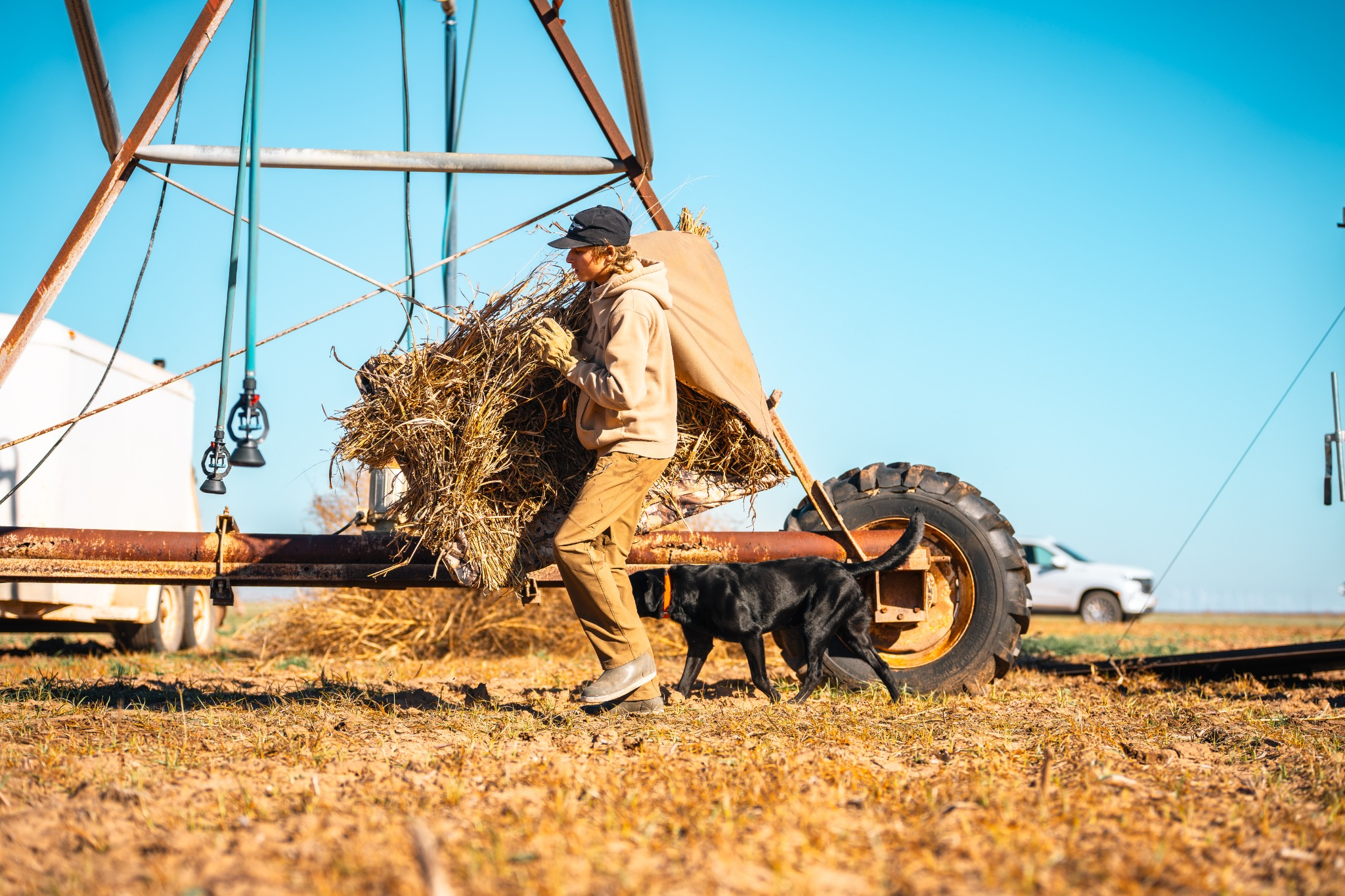
How to Turn Idle Acreage Into a Revenue-Generating Asset

A landowner's guide to identifying revenue potential in idle acreage and stacking multiple income streams — farming leases, hunting access, marketplace bookings, and Section 180 savings — through BirdDog.
Read More
Landowner Resources
Preparing Your Hunting Property for Fall Season: A Landowner Checklist

Get your Texas hunting property ready for fall with this landowner checklist. Cover food plots, stand placement, water, and trail cameras before season opener.

Read More
Hunting & Adventure
Dove Season is Open: Best Texas Dove Hunting Fields, Tips, and Access

Texas dove season is open. Find the best dove hunting fields, private land access, and opening-week tactics to put more birds in the bag this September.

Read More