Dove Season is Open: Best Texas Dove Hunting Fields, Tips, and Access

Where to find dove fields, private access, and hot opening-week tactics
It's September and the Birds Are Moving

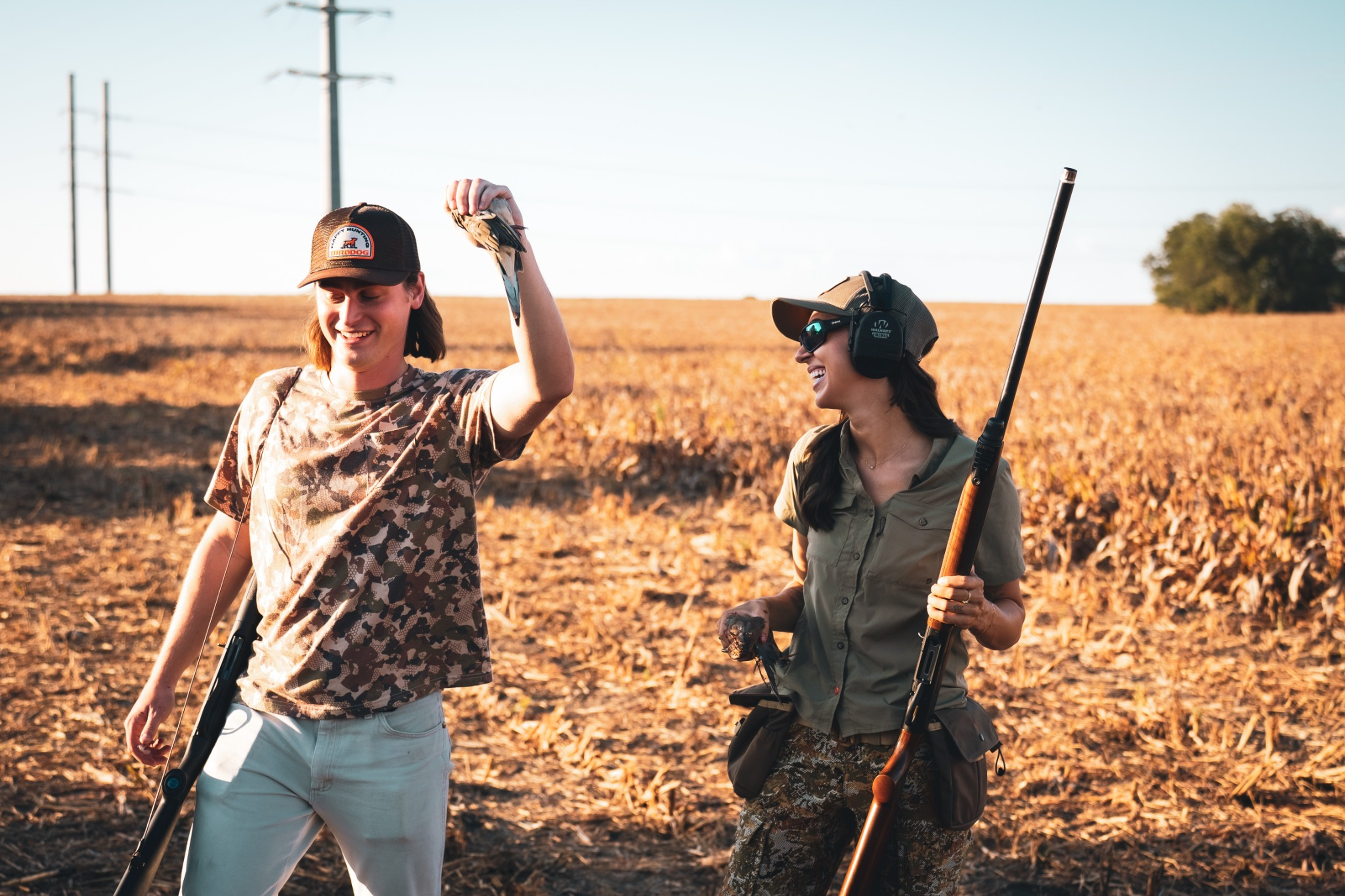
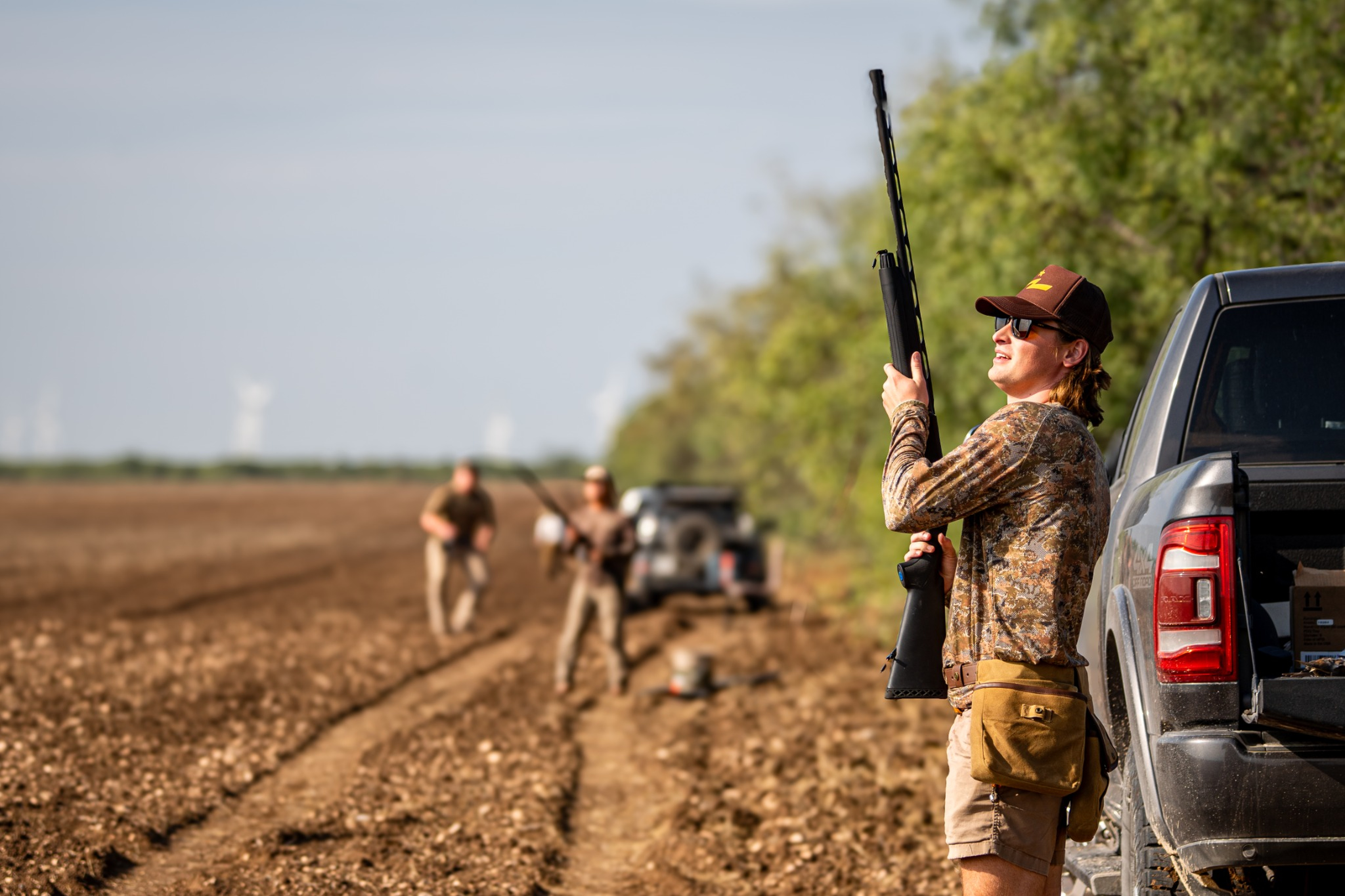
September 1 in Texas is a sporting holiday. From the wheat stubble fields of the Panhandle to the sunflower fields of South Texas, hunters are in the field before sunrise and trading stories at the tailgate by noon. White-winged dove in the Rio Grande Valley are numbering in the millions during peak early-September movement. Mourning dove are pushing south through the Hill Country and Cross Timbers on early migration patterns. The birds are there. The question is whether you're positioned to find them.

Knowing where to focus your September hunting—and what tactics produce results in the first weeks of the season—separates limits from frustrating afternoons with empty bags. Here's what's worth knowing right now.
Where the Best September Dove Hunting Is

South Texas and the Valley: The area from Laredo south through McAllen and along the Rio Grande corridor is the epicenter of white-winged dove hunting in North America. The Special White-winged Dove Area season structure allows hunting on the first two weekends of September for white-wings specifically, before transitioning to the general season. Birds concentrate in enormous numbers around grain fields, mesquite and retama thickets, and water sources during this window. A well-positioned field in Starr, Webb, Hidalgo, or Zapata County on opening weekend can produce exceptional shooting.

Coastal Prairie and South Texas Plains: Nueces, Jim Wells, Duval, and Live Oak counties support strong mixed-species dove populations in September. The mix of sunflower fields, grain sorghum, and native brush provides excellent habitat. Bird numbers build through September as northern migration birds push south through this corridor.

Central Texas Hill Country and Cross Timbers: Llano, Mason, Menard, and San Saba counties in the Hill Country produce good mourning dove hunting throughout September and October. The edge habitat between cedar breaks and grain fields concentrates birds, and the slightly cooler temperatures make afternoon hunts more comfortable than deep South Texas.

Rolling Plains and Texas Panhandle: Wheat stubble and harvested sunflower fields in Childress, Hall, Cottle, and surrounding counties attract big mourning dove concentrations in September. This area is prime for hunters in the DFW corridor willing to make the 3-4 hour drive.

Early Season Tactics That Work

Opening week birds are the least educated doves you'll see all season. They haven't been pressured, they're flying predictable routes between food, water, and roost, and they haven't learned to avoid decoys or suspect setups. Take advantage of that naivety with straightforward setups and reliable fields rather than trying to outsmart them.

Hunt the evening flight, not just the morning. The afternoon into evening feeding flight—typically 5:00-7:30 PM in early September—often produces the most concentrated activity of the day in Texas. Birds watering in afternoon heat and moving to evening food sources create sustained flight activity that can last 1-2 hours. If you're only hunting mornings, you're missing the best part of the day.

Don't overlook secondary food sources in the first weeks of season. Adjacent native sunflowers, dried weed fields, and mowed agricultural areas often hold significant dove activity that isn't on anyone's radar. Scout these as backup options when a managed field isn't producing the numbers expected.

Spinning-wing decoys are most effective early in the season before birds get educated. Use them aggressively in September—motion and flash pulling birds off their line into your shooting position is a legitimate early-season advantage. As the season progresses into October, spinning decoys may actually repel educated birds, so monitor their effect and adjust accordingly.

Staying Legal in the Field

The most common dove hunting violations in Texas are hunting without a Federal Duck Stamp (required for migratory bird hunting by all hunters 16+), exceeding the daily bag limit, and hunting over improperly baited areas. Know your regulations before you hunt.

Eurasian collared doves—which are present and increasing across Texas—are not protected migratory birds and have no bag limit. They're larger than mourning doves and noticeably different in flight. White-fronted dove (white-tips) have a separate, smaller bag limit from the white-wing and mourning limit. If you're hunting in the Special White-winged Dove Area, verify which species are legal during the early season period.

Keep your harvested birds in identifiable condition until you're at your final destination—at least one fully feathered wing must remain attached to each dove for species identification during transport. This is a federal requirement for migratory birds.

Finding Access Right Now

If you haven't secured dove field access and the season is already open, you're competing for last-minute availability on private land. The best fields on public WMA dove areas are accessible to anyone with a license, but pressure on opening weekend at popular public areas is significant. Arriving early (shooting starts 30 minutes before sunrise) and positioning ahead of known flight routes on public areas can produce good shooting despite the competition.

For hunters looking for private land access this season, BirdDog's hunting lease platform updates regularly with available properties—including day leases and short-term September access arrangements that landowners post specifically for the dove season. Searching for dove-specific access in your target region often surfaces options that didn't exist a few weeks ago as landowners make last-minute decisions to open their fields.

The season is open. Get out there.

Read More...

Landowner Resources
How to List Your Land on a Zero-Commission Hunting Marketplace (and What to Expect)

A step-by-step guide to listing your hunting land on a zero-commission marketplace, what to expect from bookings and revenue, and tips for building a high-performing listing on BirdDog.

Read More
Hunting & Adventure
Dove Season Countdown: Everything You Need to Know Before Opening Day

Texas dove season opens September 1. Get your field, gear, and licenses squared away with this complete countdown guide before opening day arrives.

Read More
Hunting & Adventure
Fall Hunting Season Checklist: Everything to Do Before Opening Day

Don't head into fall hunting season unprepared. Use this complete pre-season checklist to organize your gear, scout your land, and set up stands before opening day.

Read More

Dove Season is Open: Best Texas Dove Hunting Fields, Tips, and Access

Where to find dove fields, private access, and hot opening-week tactics

It's September and the Birds Are Moving

September 1 in Texas is a sporting holiday. From the wheat stubble fields of the Panhandle to the sunflower fields of South Texas, hunters are in the field before sunrise and trading stories at the tailgate by noon. White-winged dove in the Rio Grande Valley are numbering in the millions during peak early-September movement. Mourning dove are pushing south through the Hill Country and Cross Timbers on early migration patterns. The birds are there. The question is whether you're positioned to find them.

Knowing where to focus your September hunting—and what tactics produce results in the first weeks of the season—separates limits from frustrating afternoons with empty bags. Here's what's worth knowing right now.

Where the Best September Dove Hunting Is

South Texas and the Valley: The area from Laredo south through McAllen and along the Rio Grande corridor is the epicenter of white-winged dove hunting in North America. The Special White-winged Dove Area season structure allows hunting on the first two weekends of September for white-wings specifically, before transitioning to the general season. Birds concentrate in enormous numbers around grain fields, mesquite and retama thickets, and water sources during this window. A well-positioned field in Starr, Webb, Hidalgo, or Zapata County on opening weekend can produce exceptional shooting.

Coastal Prairie and South Texas Plains: Nueces, Jim Wells, Duval, and Live Oak counties support strong mixed-species dove populations in September. The mix of sunflower fields, grain sorghum, and native brush provides excellent habitat. Bird numbers build through September as northern migration birds push south through this corridor.

Central Texas Hill Country and Cross Timbers: Llano, Mason, Menard, and San Saba counties in the Hill Country produce good mourning dove hunting throughout September and October. The edge habitat between cedar breaks and grain fields concentrates birds, and the slightly cooler temperatures make afternoon hunts more comfortable than deep South Texas.

Rolling Plains and Texas Panhandle: Wheat stubble and harvested sunflower fields in Childress, Hall, Cottle, and surrounding counties attract big mourning dove concentrations in September. This area is prime for hunters in the DFW corridor willing to make the 3-4 hour drive.

Early Season Tactics That Work

Opening week birds are the least educated doves you'll see all season. They haven't been pressured, they're flying predictable routes between food, water, and roost, and they haven't learned to avoid decoys or suspect setups. Take advantage of that naivety with straightforward setups and reliable fields rather than trying to outsmart them.

Hunt the evening flight, not just the morning. The afternoon into evening feeding flight—typically 5:00-7:30 PM in early September—often produces the most concentrated activity of the day in Texas. Birds watering in afternoon heat and moving to evening food sources create sustained flight activity that can last 1-2 hours. If you're only hunting mornings, you're missing the best part of the day.

Don't overlook secondary food sources in the first weeks of season. Adjacent native sunflowers, dried weed fields, and mowed agricultural areas often hold significant dove activity that isn't on anyone's radar. Scout these as backup options when a managed field isn't producing the numbers expected.

Spinning-wing decoys are most effective early in the season before birds get educated. Use them aggressively in September—motion and flash pulling birds off their line into your shooting position is a legitimate early-season advantage. As the season progresses into October, spinning decoys may actually repel educated birds, so monitor their effect and adjust accordingly.

Staying Legal in the Field

The most common dove hunting violations in Texas are hunting without a Federal Duck Stamp (required for migratory bird hunting by all hunters 16+), exceeding the daily bag limit, and hunting over improperly baited areas. Know your regulations before you hunt.

Eurasian collared doves—which are present and increasing across Texas—are not protected migratory birds and have no bag limit. They're larger than mourning doves and noticeably different in flight. White-fronted dove (white-tips) have a separate, smaller bag limit from the white-wing and mourning limit. If you're hunting in the Special White-winged Dove Area, verify which species are legal during the early season period.

Keep your harvested birds in identifiable condition until you're at your final destination—at least one fully feathered wing must remain attached to each dove for species identification during transport. This is a federal requirement for migratory birds.

Finding Access Right Now

If you haven't secured dove field access and the season is already open, you're competing for last-minute availability on private land. The best fields on public WMA dove areas are accessible to anyone with a license, but pressure on opening weekend at popular public areas is significant. Arriving early (shooting starts 30 minutes before sunrise) and positioning ahead of known flight routes on public areas can produce good shooting despite the competition.

For hunters looking for private land access this season, BirdDog's hunting lease platform updates regularly with available properties—including day leases and short-term September access arrangements that landowners post specifically for the dove season. Searching for dove-specific access in your target region often surfaces options that didn't exist a few weeks ago as landowners make last-minute decisions to open their fields.

The season is open. Get out there.

Read More...
Landowner Resources
How to List Your Land on a Zero-Commission Hunting Marketplace (and What to Expect)

A step-by-step guide to listing your hunting land on a zero-commission marketplace, what to expect from bookings and revenue, and tips for building a high-performing listing on BirdDog.

Read More
Hunting & Adventure
Dove Season Countdown: Everything You Need to Know Before Opening Day

Texas dove season opens September 1. Get your field, gear, and licenses squared away with this complete countdown guide before opening day arrives.

Read More
Hunting & Adventure
Fall Hunting Season Checklist: Everything to Do Before Opening Day

Don't head into fall hunting season unprepared. Use this complete pre-season checklist to organize your gear, scout your land, and set up stands before opening day.

Read More