
USDA's CRP Program Pays You To Rest Your Land - Here's How
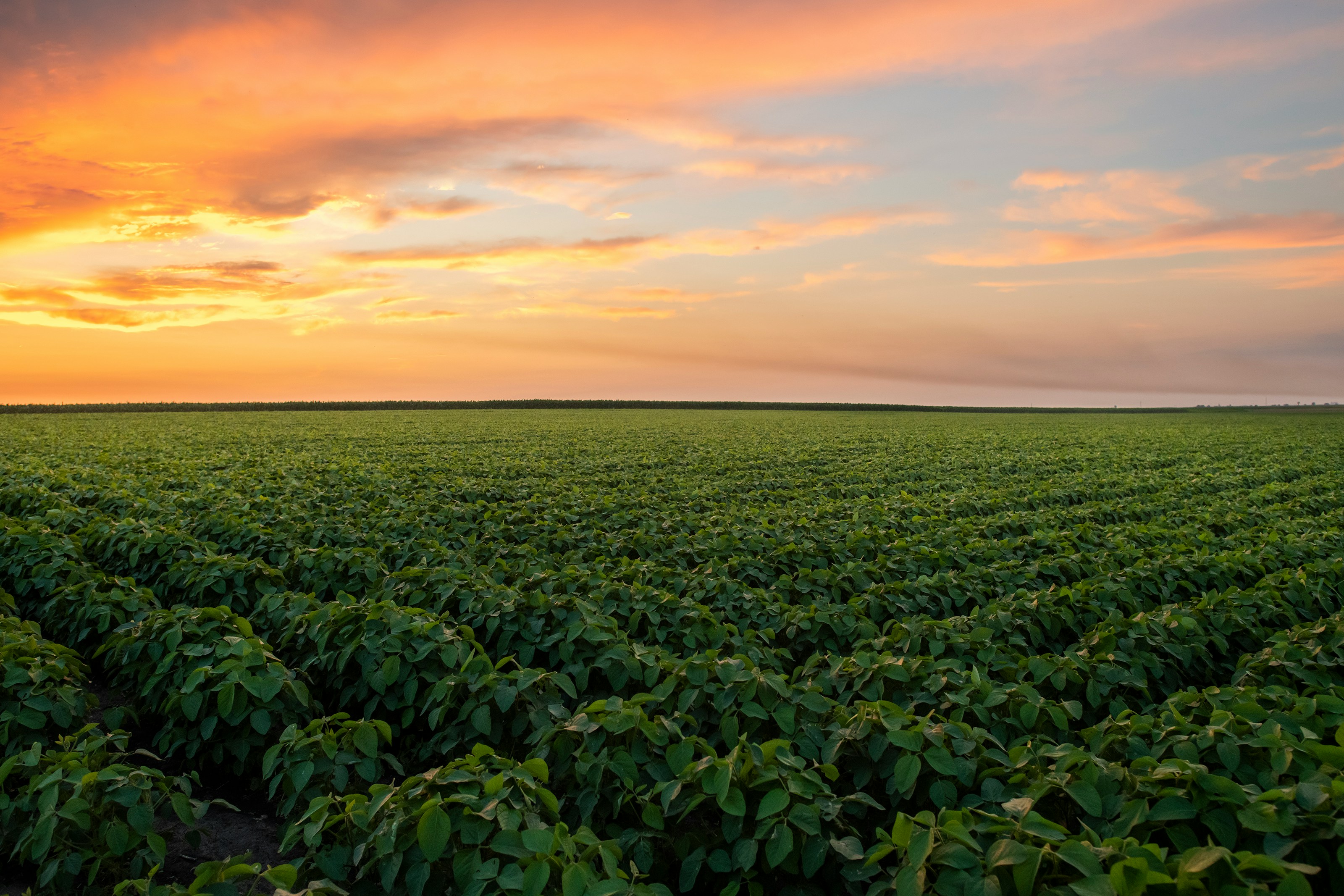
The Conservation Reserve Program turns your least productive acres into guaranteed annual income — while building soil health, water quality, and wildlife habitat that make your property more valuable long-term.
General CRP enrollment closes April 17, 2026. Contact your local FSA office to submit an offer.
What Is CRP?
The Conservation Reserve Program (CRP) is a USDA program that pays landowners annual rental payments to remove environmentally sensitive cropland from production and establish conservation cover for 10–15 year contract terms.
The Conservation Reserve Program (CRP) is USDA's flagship conservation program and one of the most reliable income tools available to American landowners. It's been around since 1985 and currently covers nearly 27 million acres nationwide.
The deal is straightforward: you sign a 10–15 year contract with USDA's Farm Service Agency (FSA), take qualifying acres out of agricultural production, and establish conservation cover — native grasses, trees, wetlands, or wildlife habitat. In return, you receive guaranteed annual rental payments and cost-share assistance to establish the cover.
No input costs. No crop risk. No weather anxiety. You maintain the cover and cash the check.
The bottom line: CRP turns your least productive ground into a steady, predictable income stream — while improving the soil health, water quality, and wildlife habitat that make your property more valuable long-term.
What Is The Three CRP Programs?
CRP isn't one-size-fits-all. There are three distinct programs, each designed for different types of land and management goals.
What Is General CRP — Competitive?
General CRP is a competitive signup where landowners submit offers ranked by an Environmental Benefits Index — land with the highest conservation value is accepted first, with rental rates set by USDA county benchmarks.
The original CRP program. You offer up larger parcels — often whole fields — of marginal or erodible cropland. USDA scores every offer against all others using an Environmental Benefits Index (EBI) and accepts the highest-ranking offers. Think of it like a competitive bid — the land with the greatest environmental upside at the best value gets in. Avg. payment: ~$57/acre/year nationally.
What Is Continuous CRP — Rolling Acceptance?
Continuous CRP accepts high-priority conservation practices on a rolling basis without competitive ranking — practices like riparian buffers, grass waterways, and wildlife habitat strips qualify automatically if eligibility is met.
For smaller, high-impact parcels — the strip along a creek, a wetland pocket, a grassy buffer between a field and a waterway. These are accepted on a rolling basis without head-to-head competition because they deliver outsized environmental benefits per acre. Payments tend to be significantly higher than General CRP. Avg. payment: ~$145/acre/year nationally.
What Is Grassland CRP — Working Lands?
Grassland CRP pays working grassland and pasture landowners to maintain grass cover and limit cropland conversion — supporting grazing operations while delivering wildlife habitat and soil conservation benefits.
The newest and fastest-growing CRP option. This is a working-lands program — you can keep grazing cattle on enrolled acres. The goal is to protect grasslands, rangeland, and pastures from being plowed up, while introducing management practices that improve biodiversity and carbon sequestration. Now accounts for over 37% of all CRP acres nationally. Avg. payment: ~$16/acre/year nationally.
Why Does CREP, SAFE & HELI — Special Initiatives Matter?
Within Continuous CRP, several targeted initiatives exist. CREP (Conservation Reserve Enhancement Program) partners with state governments to address region-specific conservation goals. SAFE (State Acres for Wildlife Enhancement) restores priority wildlife habitat. HELI (Highly Erodible Land Initiative) targets cropland with an erodibility index of 20+. CREP avg. payment: ~$191/acre/year nationally.
What Is 2026 Enrollment Deadlines?
USDA's 2026 CRP signup windows vary by program — General CRP typically has one competitive signup period per year, while Continuous CRP accepts applications year-round for qualifying practices.
CRP enrollment windows are limited and time-sensitive. Here's where things stand for fiscal year 2026, per USDA's February 2026 announcement.
Capacity is tight. The program is near its 27-million-acre statutory cap with only about 1.9 million acres available for all enrollments this fiscal year. USDA has signaled this will be one of the most competitive signup periods in recent history.
If you're just learning about CRP, the General CRP deadline on April 17 is tight — but it's still worth a call to your local FSA office. And if that window has passed by the time you're reading this, Continuous CRP offers submitted after the first batching period may still be considered in subsequent batching windows if acreage remains. Grassland CRP — likely the biggest opportunity for Texas landowners — hasn't even opened yet, so there's time to get prepared.
What Is What CRP Pays?
CRP rental rates vary by county, soil productivity, and conservation practice — payments typically range from $50 to $300+ per acre annually, with top-tier environmental benefit scores receiving maximum county rental rates.
Payments vary significantly by program type, soil productivity, and geography. Here's a national snapshot based on USDA's CRP statistics.
What Is Texas-Specific Numbers?
Texas has approximately 2.2 million acres currently enrolled in CRP, making it one of the top states by acreage. The average rental payment statewide is about $33.45/acre. According to Texas Parks & Wildlife, payments on retired farmlands typically range from $30–$40/acre depending on soil type, while working grassland payments are capped at 75% of the current local grazing value.
What Is How Rental Rates Are Calculated?
CRP rental rates are based on the average cash rental rate for non-irrigated cropland in each county, using a three-year average of NASS data adjusted for inflation. For General CRP, the weighted average soil rental rate is capped at $240/acre. There is no per-acre cap for Continuous CRP. Once your rate is set, it's fixed for the life of the contract.
USDA also provides cost-share assistance covering up to 50% of the cost of establishing conservation practices on enrolled land. Many Continuous CRP practices qualify for additional one-time and annual incentive payments on top of the base rental rate.
What Is Who Qualifies?
Landowners with cropland or marginal pastureland that meets USDA erodibility or water quality criteria can apply — land must have been in agricultural production for 4 of the previous 6 years to be eligible.
CRP is open to agricultural producers and landowners whose land meets specific criteria around cropping history and environmental characteristics. The best candidates are landowners with marginal or environmentally sensitive cropland — ground that's highly erodible, adjacent to waterways, or that simply doesn't produce competitive yields. You can review full eligibility requirements on the FSA website.
For General CRP, your offer is scored on environmental benefit and cost — so land with high conservation potential and a reasonable rental bid has the best shot. You can voluntarily accept a lower rental rate than your county's soil rental rate to make your offer more competitive.
You can typically enroll up to 25% of your total cropland, with some exceptions for whole-field enrollments under Continuous CRP.
Why Does What You Give Up — and What You Get Matter?
What Is What you commit to?
Enrolled acres can't be farmed for the 10–15 year contract term. No plowing, no planting crops, no haying — except in emergency drought situations with USDA authorization. You're responsible for maintaining the conservation cover. If you break the contract, you repay all received benefits with interest.
What Is What you gain?
Predictable annual income with no input costs. Improved soil health — land often returns to production with higher fertility and better yields after a CRP contract expires. Wildlife habitat that can support hunting lease income. Potential environmental credibility as carbon and ecosystem markets develop. And through USDA's Transition Incentives Program, retiring landowners can transfer expiring CRP land to beginning or veteran farmers and receive two additional years of payments.
What Is Tax Considerations?
CRP payments are classified as ordinary income for federal tax purposes. If you're exploring conservation-related tax strategies — such as Section 180 soil and water conservation expense deductions — it's worth coordinating your CRP participation with your broader land and tax strategy. Talk to your tax advisor about how CRP income interacts with any deductions you're already pursuing.
How Do You Get started?
To enroll, contact your local USDA Farm Service Agency office to review your land's eligibility, identify qualifying practices, and submit an offer during the next signup window.
All CRP enrollment goes through your local USDA Farm Service Agency (FSA) office. You can find yours at farmers.gov/service-locator. FSA staff will walk you through eligibility, mapping, the bid/offer process, and paperwork. For General CRP, it's worth consulting with your local FSA and NRCS (Natural Resources Conservation Service) staff early about how to maximize your EBI score — small practice decisions can meaningfully affect whether your offer gets accepted.
Don't wait for a deadline to start the conversation. Even if you're not ready to enroll today, reaching out to your FSA office now means you'll have eligibility questions answered and paperwork in order for the next enrollment window — including Grassland CRP, which is likely to be especially relevant for Texas ranchers and landowners.
What Is Official USDA Resources?
- CRP Program Overview — Farm Service Agency: https://www.fsa.usda.gov/resources/programs/conservation-reserve-program
- General CRP — EBI Scoring & Bid Process: https://www.fsa.usda.gov/resources/programs/general-crp
- 2026 Enrollment Announcement: https://www.fsa.usda.gov/news-events/news/02-10-2026/usda-open-continuous-general-conservation-reserve-program-enrollment
- CRP Statistics & County Rental Rate Data: https://www.fsa.usda.gov/tools/informational/reports/conservation-statistics/crp
- Find Your Local FSA Office: https://www.farmers.gov/service-locator
- Texas CRP — Texas Parks & Wildlife: https://tpwd.texas.gov/landwater/land/private/farmbill/crp/

Read More...
A landowner's guide to identifying revenue potential in idle acreage and stacking multiple income streams — farming leases, hunting access, marketplace bookings, and Section 180 savings — through BirdDog.
A plain-English explanation of the Section 180 tax deduction for landowners, who qualifies, realistic savings ranges by acreage, and how BirdDog has helped generate over $30 million in savings.
Get your Texas hunting property ready for fall with this landowner checklist. Cover food plots, stand placement, water, and trail cameras before season opener.