
Managing Native Grasses and Food Plots to Attract Game on Texas Land
Habitat strategies that hold more deer, turkey, and quail on your land
Why Native Vegetation Beats Food Plots Alone
Food plots get most of the attention in hunting land management, and they produce results—no argument there. But food plots are a supplement, not a foundation. The properties that consistently produce healthy deer herds, abundant turkey populations, and diverse wildlife aren't the ones with the most corn feeders. They're the ones where the native vegetation has been managed to produce year-round forage, thermal cover, and structural diversity.
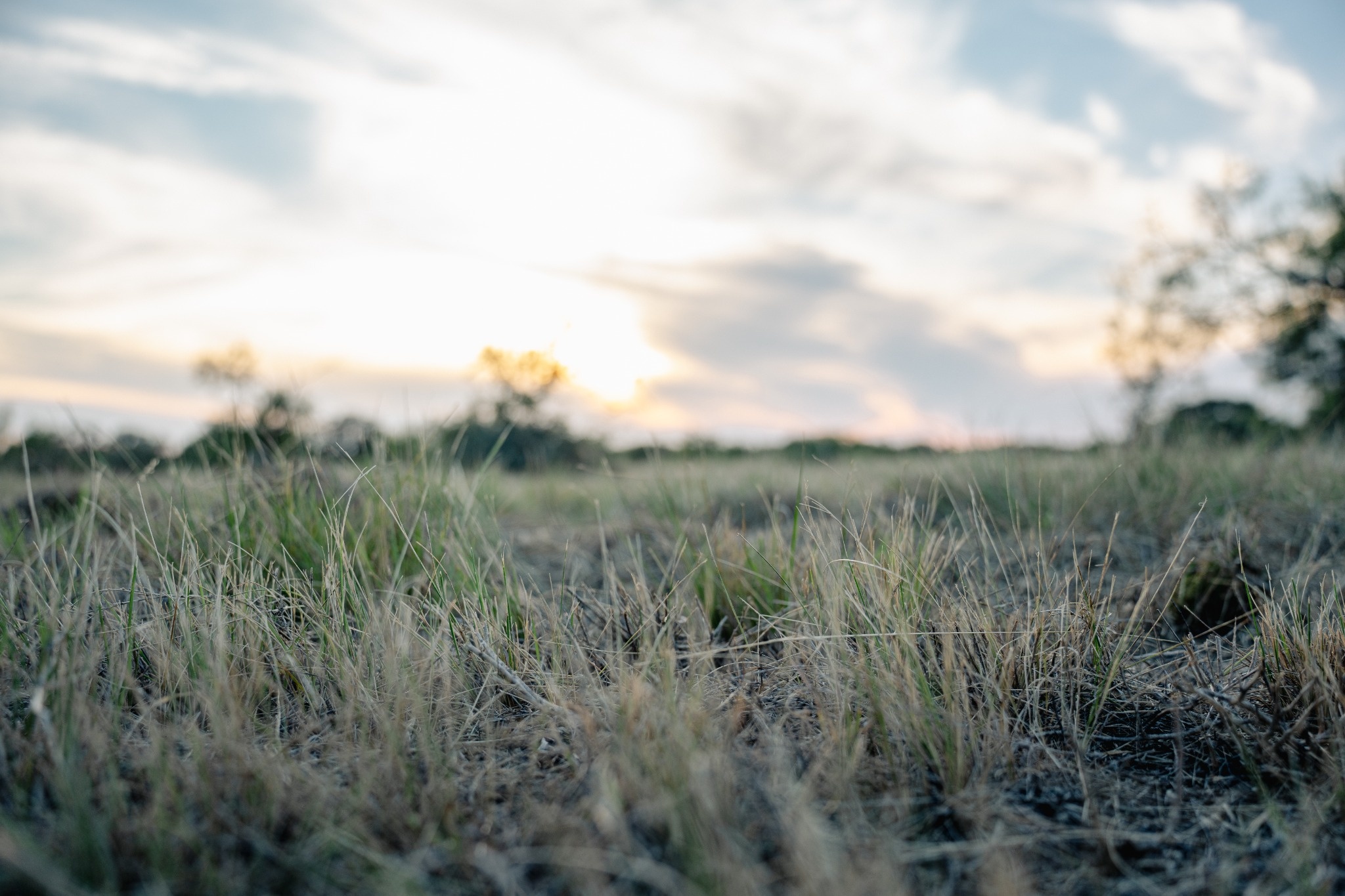
Native grasses in Texas have evolved alongside the wildlife that depends on them. Little bluestem, sideoats grama, buffalo grass, and switchgrass provide seed heads for quail and turkey, nesting cover for ground-nesting birds, and thermal cover for whitetails bedding through cold fronts. When these species are healthy and diverse across a property, you're building a system that works without inputs every single day of the year—not just during the months when a feeder is running.
Identifying What You Have
Before you can manage native grasses effectively, you need to know what's on the ground. Most Texas properties have a mix of desirable native species, introduced grasses like coastal bermuda or King Ranch bluestem, and invasive problem species like KR bluestem and Johnson grass. The management prescription for each is different, and treating all grasses the same will produce poor results.
Walk your property in late summer when grasses are fully grown and seed heads are visible. Document what you find by section or pasture. Where native species like little bluestem, sideoats grama, and Indiangrass are abundant, your primary tool is grazing management—keeping cattle pressure off those areas during the growing season so natives can set seed and expand. Where invasive species dominate, mechanical and chemical treatment may be required before you can restore native diversity.
Texas A&M AgriLife Extension provides county-specific native grass identification resources and rangeland assessment programs. For properties that have been heavily grazed or neglected, hiring a range consultant for an initial assessment is money well spent.
Grazing Management as a Wildlife Tool
The single most impactful management decision for native grass health on cattle-and-wildlife operations is grazing rotation. Continuous overgrazing destroys native grass diversity faster than almost any other factor—it favors unpalatable forbs and invasive grasses while eliminating the desirable species quail, turkey, and deer depend on.
Rotational grazing—dividing the property into cells and moving cattle on 30–60 day rotation intervals—allows grazed pastures to recover fully before pressure returns. Native grasses evolved with large, mobile herds of bison that hit an area hard and moved on. The rotation mimics that historical disturbance pattern and maintains plant vigor while preventing the soil compaction and overuse that comes with continuous stocking.
Rest periods during the spring growing season (March–June in most of Texas) are critical for native grass seed production. Remove cattle from your best native grass pastures during this window, even partially, and you'll see seed head production increase noticeably within one or two seasons.
Food Plot Integration
Once your native grass base is healthy, food plots become a powerful complement rather than a crutch. Site selection matters more than species selection for most Texas food plots. South- or east-facing plots in low areas or creek drainages hold moisture longer, produce better stands, and see higher deer use than elevated, exposed locations.
Cool-season plantings of winter wheat, oats, and turnips (planted in September–October) provide green forage during the hunting season window when native vegetation is dormant or dried. Warm-season food plots of sunflowers, sorghum, and lablab planted in April–May provide high-energy summer forage and hold deer through summer when native seed production drops off.
Size matters. Single large plots often go untouched on pressured properties because deer won't commit to open exposure. Multiple smaller plots—1–3 acres each—connected by timber or brush edges allow deer to feed while staying near cover. Design your layout with travel corridors and stand placement in mind from the beginning.
Water and Supplemental Habitat
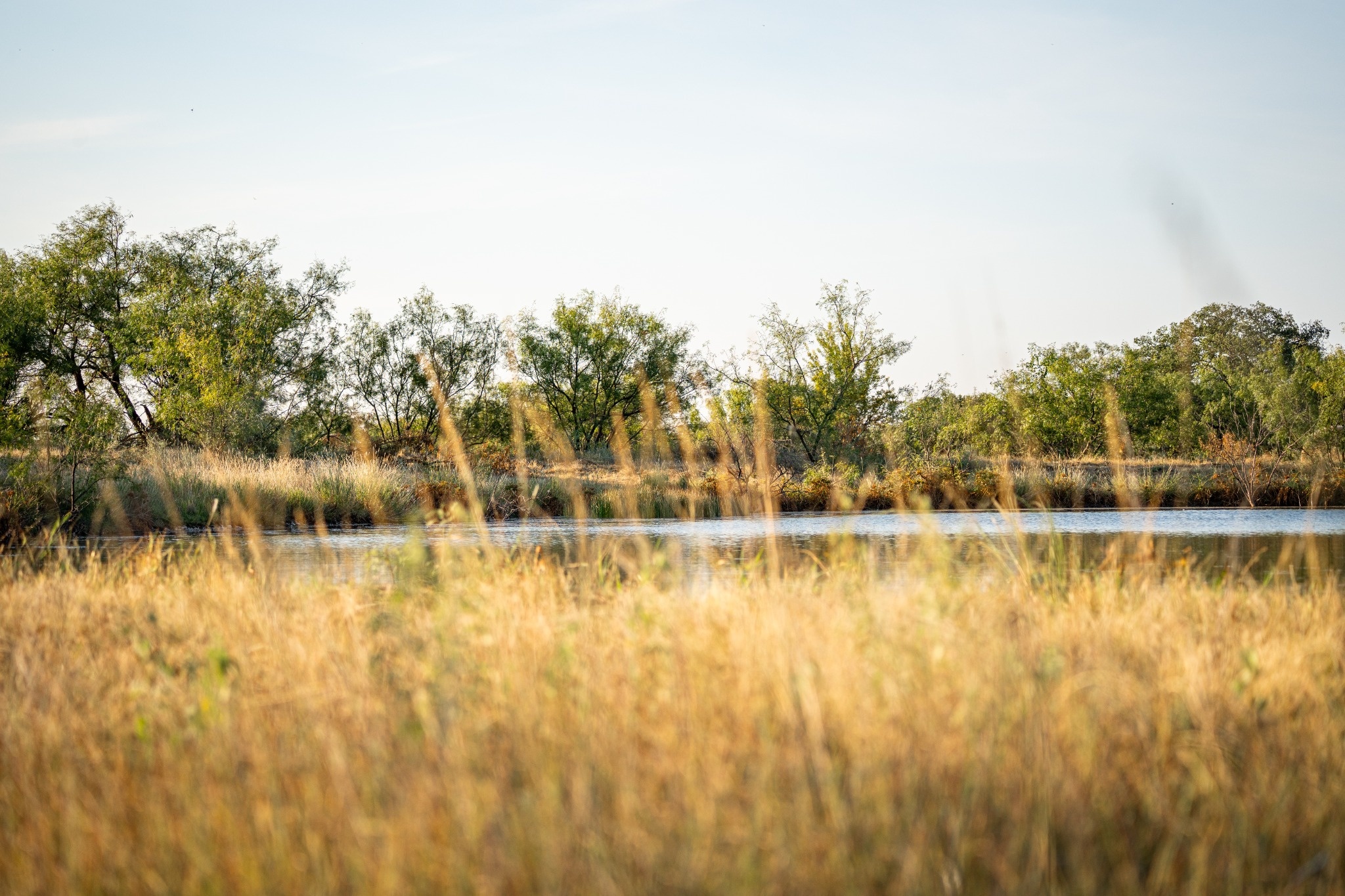
Native grass management and food source work produce their best results when paired with reliable water. In Central and South Texas, natural water sources are seasonal at best. Permanent water—ponds, water troughs, or developed tanks—keeps wildlife on the property year-round and concentrates animals during summer and drought periods.
Brush management is the other critical component that most landowners underinvest in. Cedars and mesquite that invade open native grass areas suppress native species through competition and shade. Mechanical removal—cedar shearing, root-plowing dense mesquite—opens the canopy and allows native grasses to reestablish. In many counties, NRCS and TPWD offer cost-share programs that offset a significant portion of the mechanical treatment cost.
For landowners building out a formal habitat management program, BirdDog's land management tools support documentation of management activities—food plot locations, grazing rotation records, water infrastructure, and brush treatment history—that can form the basis of a wildlife management plan qualifying the property for Texas wildlife exemption status. The tax savings on qualifying properties often exceed the cost of the management program itself.
Build the native grass base first. Add food plots and supplemental features on top of it. Give the system time—native grass restoration doesn't happen in a single season. But the properties that put in this work consistently produce wildlife at a level that food plots alone never will.


Read More...
_4096KB.jpg)
A landowner's guide to identifying revenue potential in idle acreage and stacking multiple income streams — farming leases, hunting access, marketplace bookings, and Section 180 savings — through BirdDog.
_4096KB.jpg)
A plain-English explanation of the Section 180 tax deduction for landowners, who qualifies, realistic savings ranges by acreage, and how BirdDog has helped generate over $30 million in savings.
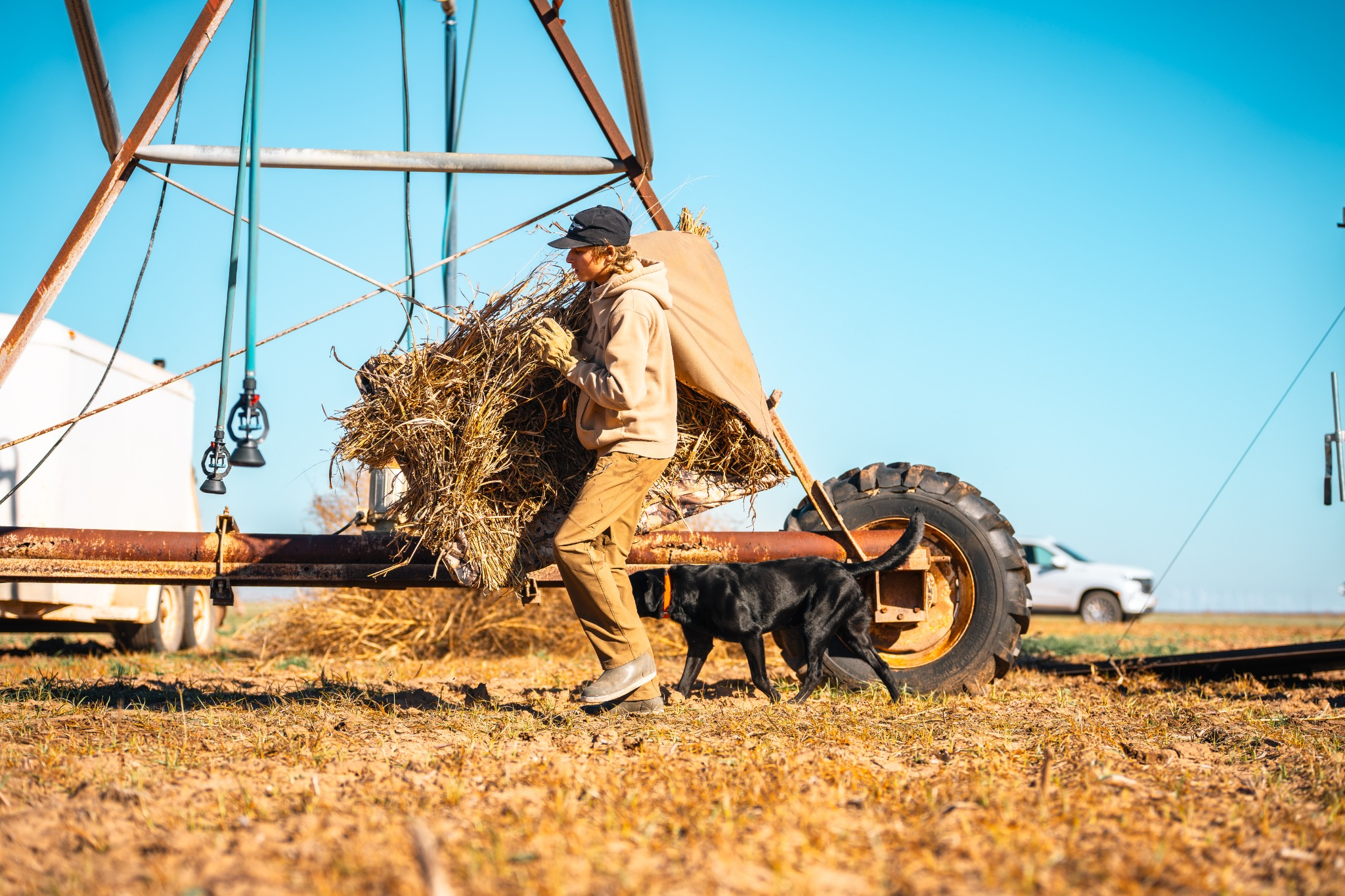
Get your Texas hunting property ready for fall with this landowner checklist. Cover food plots, stand placement, water, and trail cameras before season opener.