
Turning Soil Into Savings
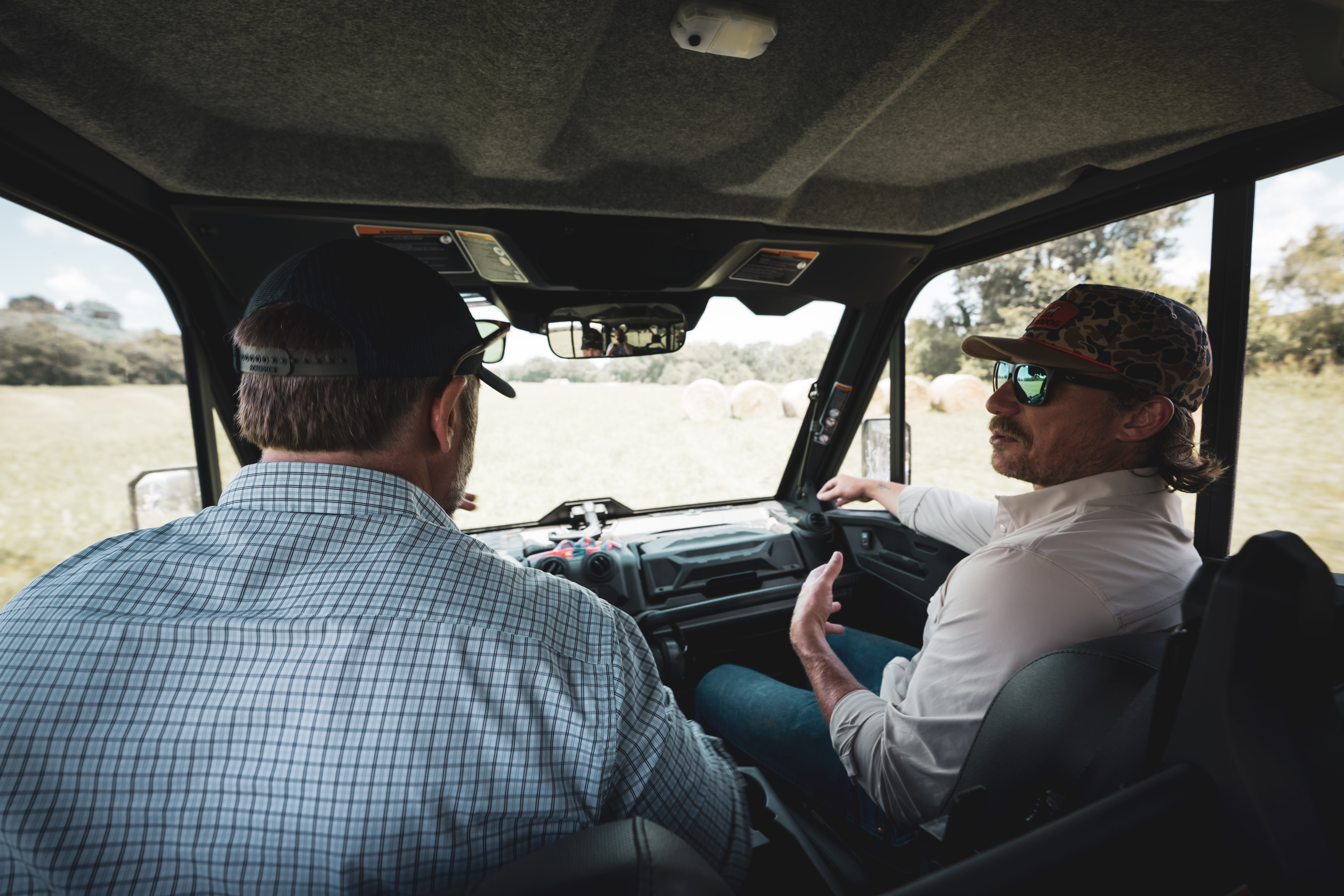
If you’ve ever spent much time around farmers or landowners, you know the land carries a story. For John King, a landowner in Tennessee, that story runs deep. He even proposed to his wife on his property — the same land where he now raises hay, enjoys the wildlife, and hosts big dove hunts every opening weekend in the fall.
John’s like a lot of landowners: proud of what he’s built, and always looking for ways to make the most of it. Over the years he bought up tracts of land, pulling them together into one operation. But when he started hearing about Section 180 — a little-known section of the tax code tied to soil fertility — he didn’t pay it much mind.
“I had gotten mailers from other companies and had heard about Section 180 but never pursued it,” John told us. “BirdDog was the first company, really and truly, who I talked to on the phone.”
That first call made the difference.
“Ben wasn’t too pushy but was knowledgeable and let me make my own decision. He was always available. BirdDog did the best job of educating and explaining what it was. It’s a unique part of the IRS code, and there are a lot of benefits if your properties qualify.”

What Is Getting Past Doubts?
Like most folks, John had some concerns. Mainly about the soil tests.
“My biggest concern was how they were going to value all that when they sent it down into the lab,” he said. “You really don’t know what the value of the soils will be.”
He leaned on his CPA and attorney to make sure it was the right move. Once they gave the thumbs up, he was comfortable moving forward. “After they green-lighted it, I really didn’t have any concerns. The potential savings made sense for us and for the business.”
What Is Faster Than Expected?
John figured the whole process would take three months. Instead, it wrapped up in about one.
“I was anticipating about a 90-day turnaround, and I think it was closer to 30,” he recalled. “One of the easiest transactions I’ve ever had with a farm. We signed the agreement, they came down and pulled soil samples the next week, and it all moved a lot faster than I thought it would.”
Why Does A Surprising Discovery in the Soil Matter?
The real shock came when the results came back.
“The soil values came in a lot higher than what we had suspected. I was amazed — and from what I understand, a lot of other people have had the same thing happen. They get their soil samples back and they’re just amazed at what these samples show.”
That changed the way John looked at his operation. “It kind of puts the landowner in the driver’s seat,” he explained. “You can decide how you want to pursue the Section 180 deduction once you know what your soil is really worth.”
What Is Why It Worked?
For John, it wasn’t just about numbers on paper. It was about the people he worked with.
“One of the main reasons that steered me towards BirdDog was the people,” he said. “I could pick up the phone and get in touch with Ben, and if he didn’t have an answer — which was really rare — he admitted it and always found the answer. And he always got back to me.”
That straightforward approach left an impression. So much so that John started referring other landowners. “I’ve referred a lot of people to you guys, and I think quite a few of them have done it!”
What Is Looking Ahead?
These days, John’s focused on the work right in front of him — hay season, crops, getting ready for dove fields and whitetail season. But he’s glad he looked into a program that, at first, felt a little uncertain.
“If someone like me was going to look at Section 180, first off, you need to talk to your CPA. Try to find out what your needs are for your land and make your own decision,” John said. “The process worked well for me and my family."
For John King, the land isn’t just ground to farm or fields to hunt. It’s where his family story is written, and where opportunities still grow in the soil beneath his boots.
Speak with a land consultant today and see if you qualify!


Read More...
_4096KB.jpg)
A landowner's guide to identifying revenue potential in idle acreage and stacking multiple income streams — farming leases, hunting access, marketplace bookings, and Section 180 savings — through BirdDog.
_4096KB.jpg)
A plain-English explanation of the Section 180 tax deduction for landowners, who qualifies, realistic savings ranges by acreage, and how BirdDog has helped generate over $30 million in savings.
Get your Texas hunting property ready for fall with this landowner checklist. Cover food plots, stand placement, water, and trail cameras before season opener.