
December Waterfowl Hunting – Maximizing the Migration
December Waterfowl Hunting – Maximizing the Migration
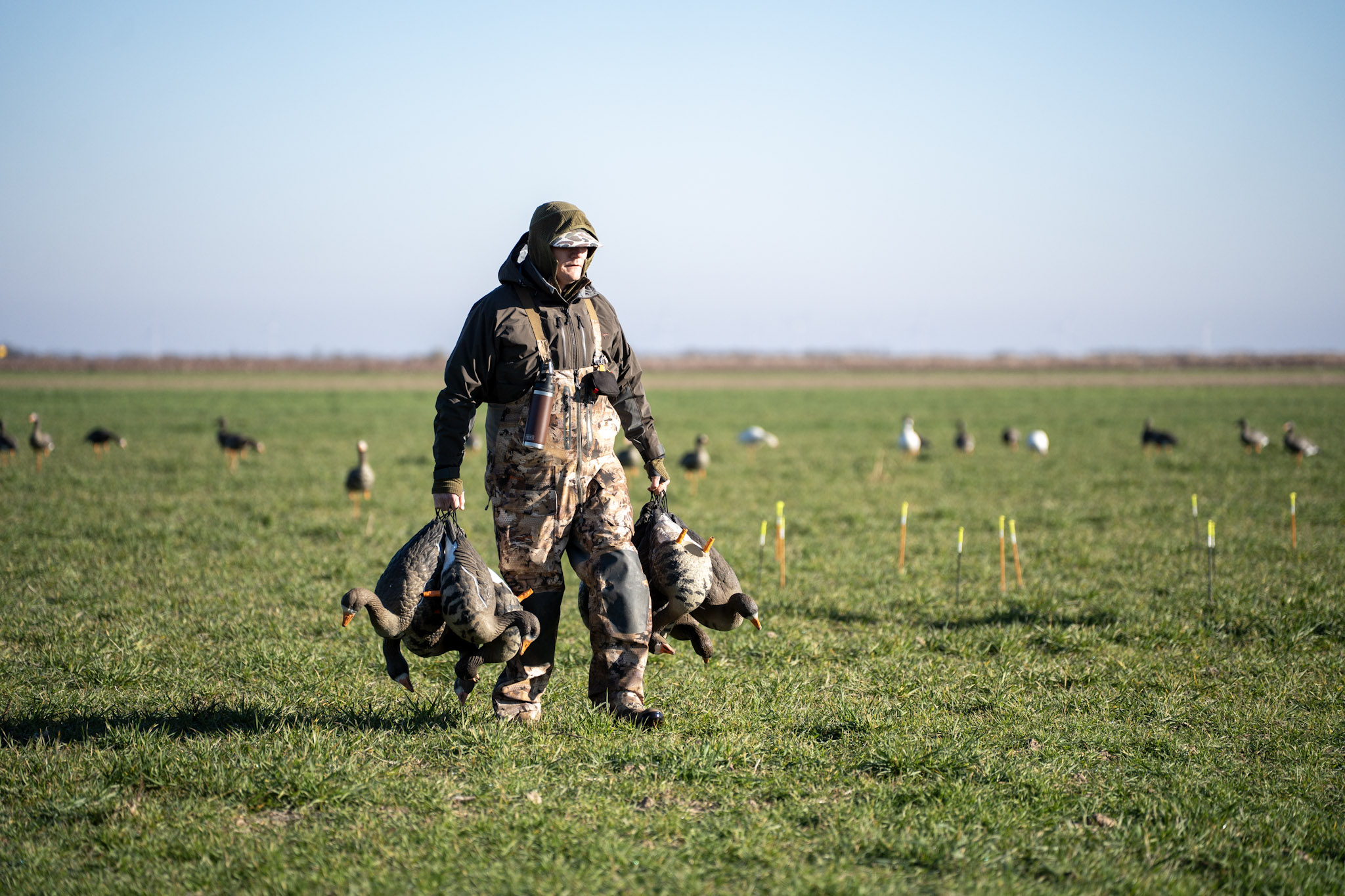
December is one of the most action-packed months for Texas duck and goose hunting. As winter pushes deeper into the Central Flyway, Texas becomes a major stopover for migrating birds seeking food, mild weather, and quality habitat. From the Gulf Coast marshes to North Texas reservoirs, December offers some of the most productive waterfowl hunting opportunities of the season.
Understanding how ducks and geese behave during this migration peak—and adjusting your tactics accordingly—can help hunters capitalize on this prime window. Whether you're hunting private land, rice fields, or managed wetlands through BirdDog, the right strategy makes all the difference.
Why December Is Prime for Waterfowl in Texas
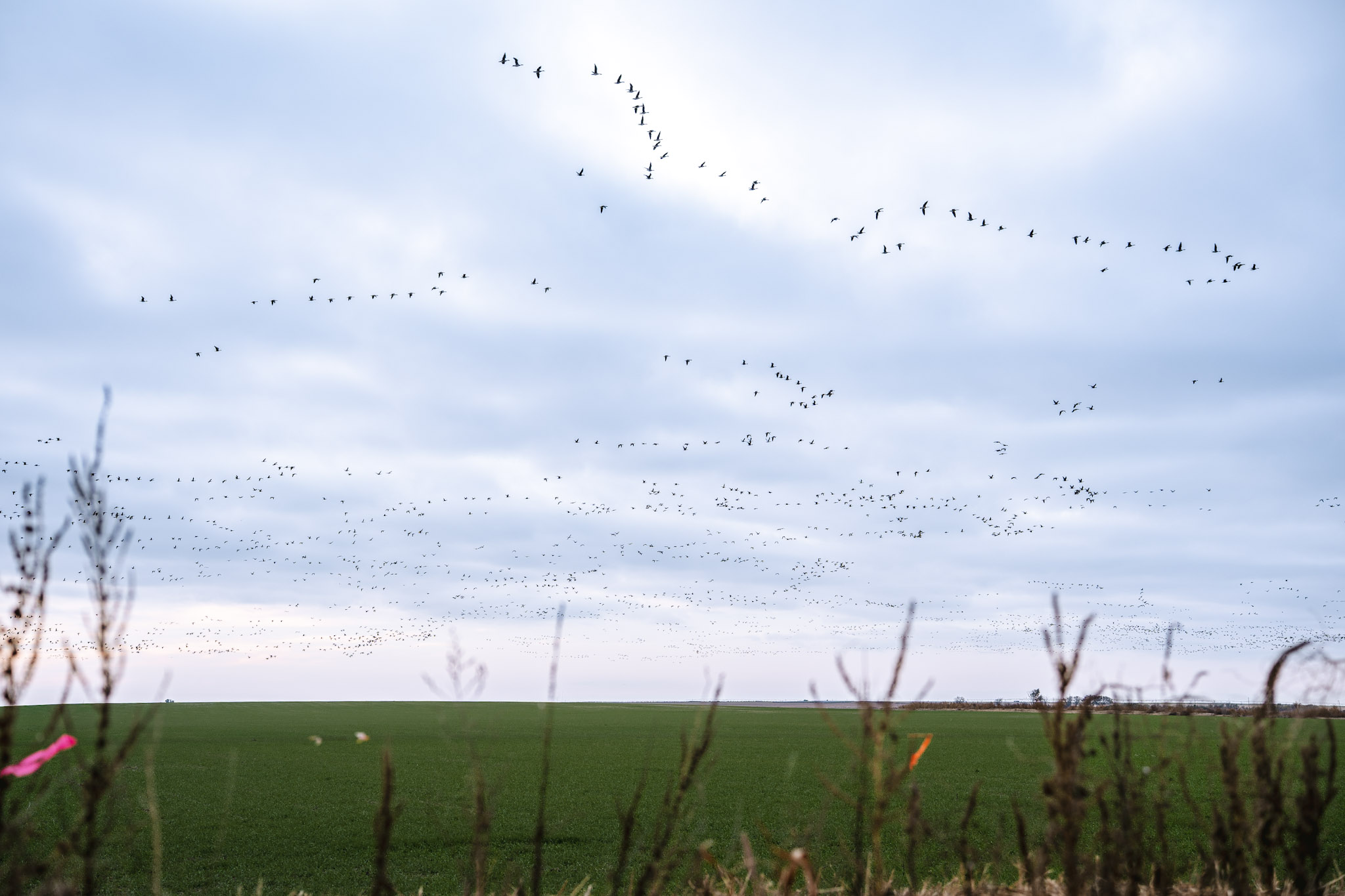
By December, Texas sits directly beneath the heaviest flow of the Central Flyway migration. Cold fronts from the north push new groups of mallards, pintail, wigeon, teal, specklebelly geese, and snows into the state, creating fresh hunting opportunities.
Key reasons December stands out:
- High bird numbers: Waterfowl funnel south as northern lakes freeze.
- Variety of species: From big ducks to divers and geese, abundance peaks.
- Improved weather: Cold fronts increase movement and feeding urgency.
- Better habitat: Coastal marsh, rice fields, flooded crops, and playas are all holding water and forage.
Hunters who take advantage of this timing—and who adjust to late-season bird behavior—can experience some of the most memorable hunts of the year.
Best Practices for December Waterfowl Hunts
As the season progresses, ducks and geese become increasingly wary. They’ve encountered hunting pressure from the Dakotas to Oklahoma before reaching Texas. That means December success requires refined tactics.
Scout Daily
Waterfowl respond instantly to weather changes, shifting food sources, and hunting pressure. A productive field one morning may be empty the next.
Effective scouting includes:
- Watching morning flights
- Tracking loafing and feeding patterns
- Checking new water or flooded areas
- Monitoring wind direction for ideal hide locations
The best hunts often come from hunters who scout more than they shoot.
Adjust Your Spread
Late-season ducks and geese have seen hundreds of spreads on their way south. To look natural, you may need to change your approach.
Consider the following adjustments:
- Spread decoys thinner to resemble relaxed birds
- Use motion decoys sparingly, especially on calm mornings
- Add sleeper and resters for realism
- Mix species like pintail, wigeon, and coots for a natural look
Subtle, lifelike spreads often outperform large, traditional setups in December.
Use Subtle Calling
Overcalling is one of the biggest mistakes hunters make in December. Pressured birds respond better to natural, conversational calling.
Try:
- Soft feeding chuckles
- Light quacks at birds already interested
- Goose clucks and murmurs rather than aggressive hail calls
Let the realism of your hide and spread do most of the work.
Hide Well
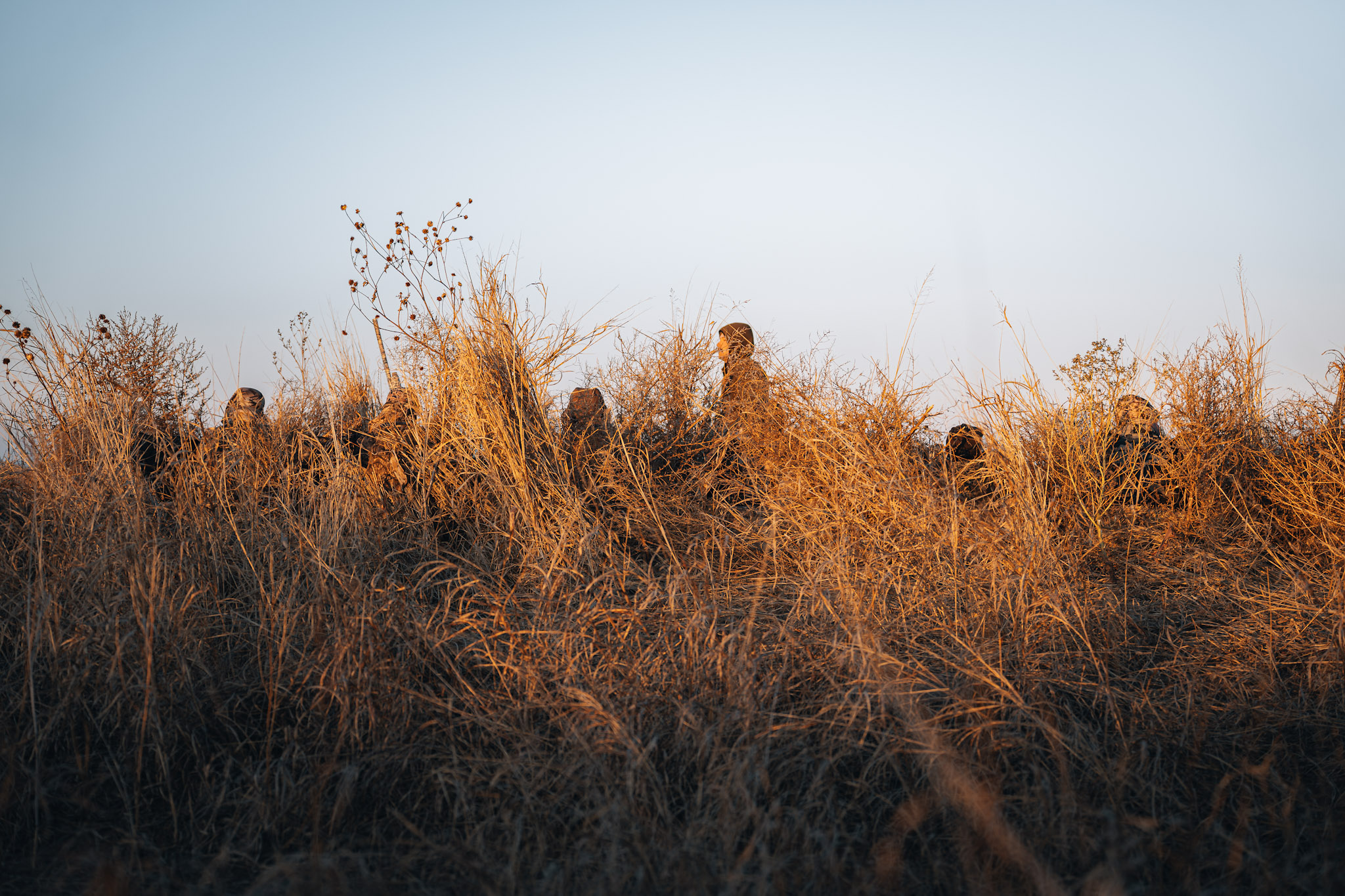
Concealment becomes critical as birds become educated. Even a good spread won’t save you if the blind sticks out.
Late-season concealment tips:
- Brush blinds heavily with natural vegetation
- Ensure all shadows and sharp edges are broken up
- Wear matching camo for the environment
- Stay still—late-season birds flare at the slightest movement
Camouflage mistakes cost more hunts in December than calling errors or decoy spreads.
 Private land hunting access BirdDog" width="auto" height="auto">
The BirdDog Advantage
Successful waterfowl hunting often comes down to access—access to the right fields, the right wetlands, and the right ducks. BirdDog offers full-service waterfowl hunts across Texas, connecting hunters to proven locations with strong migration patterns and low pressure.
BirdDog provides waterfowl opportunities in:
- Texas Gulf Coast marshes
- Rice fields and prairies of the Coastal Bend
- Central Texas reservoirs and private lakes
- North Texas playas and wintering goose habitat
Whether you’re planning a corporate retreat, weekend hunt, or premium guided trip, BirdDog ensures you’re hunting where birds want to be.
Hunters benefit from:
- Pre-scouted locations
- Professionally brushed blinds
- Expert calling and guiding
- Lodging options on select properties
- Corporate-ready hunt packages
- Private access that reduces hunting pressure
With new birds arriving weekly through December, BirdDog helps hunters make the most of this peak migration window.
Conclusion
December is one of the best months for Texas duck and goose hunting, offering abundant birds, cold-front migrations, and prime waterfowl habitat statewide. By scouting consistently, refining decoy spreads, calling subtly, and prioritizing concealment, hunters can significantly increase their success rates during the late season.
When paired with BirdDog’s access to premium waterfowl destinations, December becomes a can’t-miss opportunity for seasoned hunters and newcomers alike.


Read More...
_4096KB.jpg)
A landowner's guide to identifying revenue potential in idle acreage and stacking multiple income streams — farming leases, hunting access, marketplace bookings, and Section 180 savings — through BirdDog.
_4096KB.jpg)
A plain-English explanation of the Section 180 tax deduction for landowners, who qualifies, realistic savings ranges by acreage, and how BirdDog has helped generate over $30 million in savings.
Get your Texas hunting property ready for fall with this landowner checklist. Cover food plots, stand placement, water, and trail cameras before season opener.