
Is Your Rural Property Properly Insured? What Every Landowner Should Know

Understanding property and liability coverage can help protect your land, your operations, and the income opportunities you've worked to build.
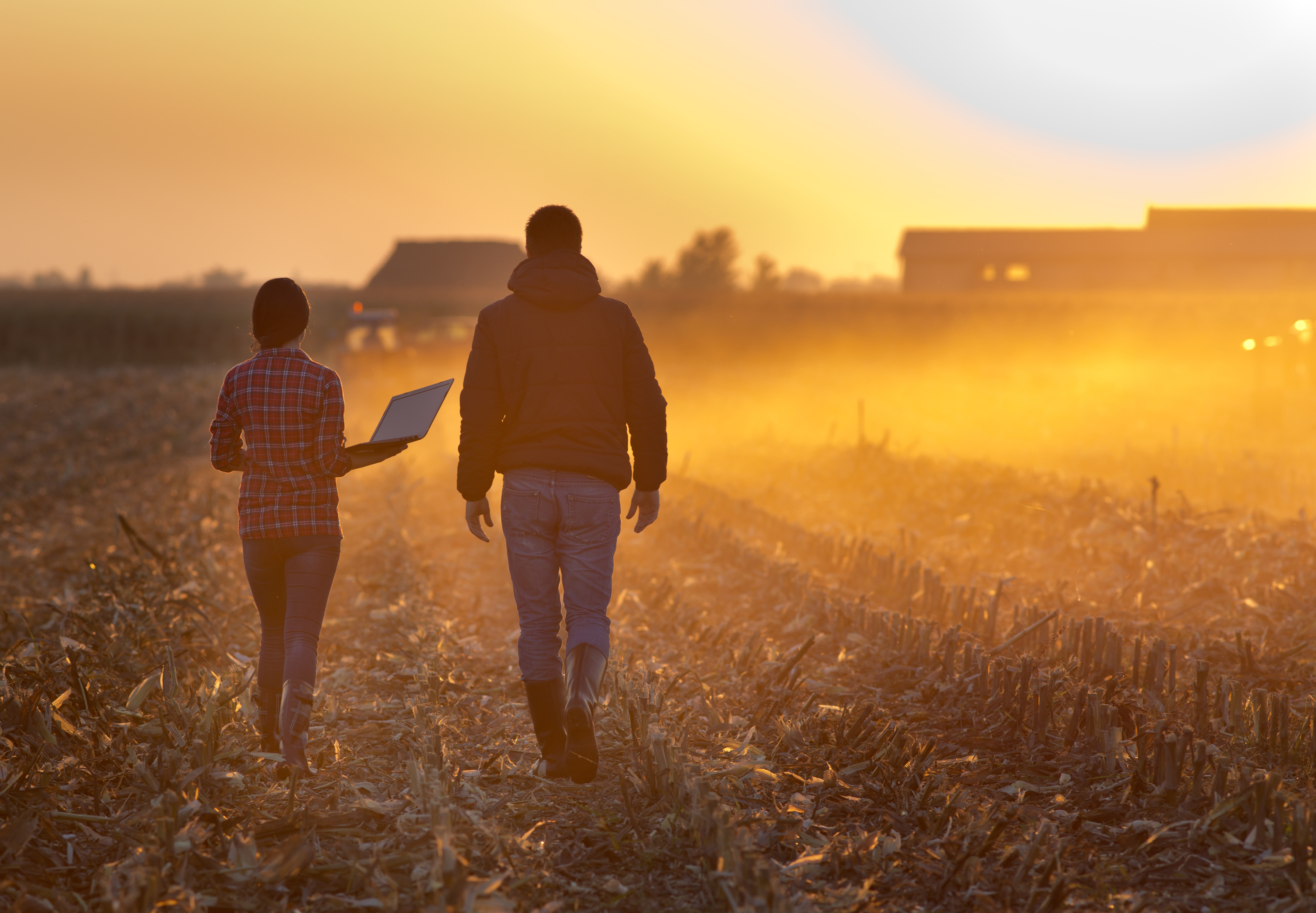
Is Your Rural Property Properly Insured? What Every Landowner Should Know

Owning rural land comes with responsibilities that extend far beyond maintaining the property itself. Whether you operate a working ranch, lease hunting access, manage livestock, or simply enjoy your land with family and friends, protecting what you've built matters.

Many landowners assume their existing homeowners insurance provides everything they need. But rural properties often involve structures, equipment, activities, and liability exposures that may require additional coverage.

Barns, fencing, tractors, hunting cabins, livestock, and recreational activities all introduce considerations that a traditional homeowners policy may not fully address.

Understanding how your property is insured is an important part of protecting its long-term value and the opportunities it provides.

Understanding Property and Liability Insurance

When evaluating insurance for rural land, two of the most important coverage categories are property insurance and liability insurance.

While they serve different purposes, both can play an important role in protecting landowners and their operations.

Property Coverage: Protecting What You've Built

Your land is more than acreage. The structures, equipment, and improvements you've invested in can represent a significant financial commitment.

Property insurance can help cover eligible damage or loss to physical assets resulting from events covered under your policy.

Depending on the carrier, policy, and coverage selected, rural property insurance may include:

  • Homes and residences: Primary or secondary dwellings located on the property.

  • Barns and outbuildings: Agricultural buildings, storage facilities, and equipment shelters.

  • Fencing and gates: Improvements used to manage livestock, secure access, and maintain property boundaries.

  • Tractors and farm equipment: Machinery and equipment used for agricultural operations and land maintenance.

  • Hunting cabins and blinds: Structures supporting hunting and recreational activities.

  • Wells and irrigation systems: Water infrastructure supporting agricultural and property operations.

  • Other property improvements: Additional structures and eligible assets associated with the land.

A severe storm, fire, or other covered event can create significant repair or replacement expenses.

The key is understanding which assets are included in your current policy, what types of damage are covered, and whether your coverage limits reflect the cost of repairing or replacing those assets.

Not every structure or improvement is automatically covered. Certain assets, including specialized equipment and water infrastructure, may require separate coverage or endorsements.

Liability Coverage: Protecting Against Unexpected Claims

Property insurance focuses on physical assets. Liability insurance addresses a different concern: the potential financial consequences when someone is injured or another person's property is damaged.

For rural landowners, these situations can involve activities that don't typically occur on a residential property.

Depending on the policy, liability coverage may be available for:

  • Hunting and guided hunts: Liability exposures associated with hunting activities and hosted experiences.

  • Cattle grazing and livestock: Certain injuries or property damage involving livestock operations.

  • Farming and land management: Activities involving agricultural equipment, maintenance, and property operations.

  • Guests and visitors: Covered incidents involving individuals visiting the property.

  • Land leasing: Liability considerations associated with leasing property for hunting, grazing, or other permitted uses.

  • Recreational activities: Fishing, ATV use, and other outdoor experiences.

  • Accidents on the property: Certain bodily injury or property damage claims arising from covered activities.

Liability coverage may help with eligible legal defense expenses, settlements, or judgments, subject to the terms and limits of the policy.

For landowners who welcome hunters, operate agricultural businesses, or lease their property, understanding these exposures is especially important.

The Risks Rural Landowners Should Consider

Rural properties present unique situations that make reviewing insurance coverage worthwhile.

Consider a landowner who leases hunting access to a group of hunters. During a hunt, someone falls from a deer stand and suffers a serious injury.

Depending on the circumstances, the landowner could face a liability claim. Whether that claim is covered depends on the policy, the activities disclosed to the insurer, applicable law, and the circumstances of the incident.

Another example involves livestock.

If cattle escape through a damaged fence and enter a roadway, an accident could lead to property damage, injuries, and potential legal claims. Responsibility depends on the facts and applicable state law.

These examples highlight why landowners should understand their insurance before an incident occurs.

Having a policy doesn't automatically mean every activity or situation is covered. The type of operation, policy exclusions, coverage limits, and additional endorsements all matter.

Why Rural Land Insurance Is Different

A traditional homeowners policy can provide valuable protection for a residence, personal belongings, certain outbuildings, and personal liability.

However, rural land often involves activities that extend beyond ordinary residential use.

Agricultural operations, paid hunting access, livestock management, recreational leases, and commercial activities may require specialized insurance or additional endorsements.

That's where working with insurance professionals who understand rural properties can make a difference.

Through BirdDog Insurance, landowners can explore coverage options designed around how their property is actually used.

Rather than approaching every property the same way, the process considers the landowner's specific activities, structures, and potential exposures.

Whether you're managing a cattle operation, leasing hunting access, or maintaining a recreational property, the goal is to identify coverage options that fit your situation.

How BirdDog Insurance Works

BirdDog helps connect landowners, outfitters, and hunting lessees with insurance solutions tailored to their operations.

The process is designed to make evaluating coverage straightforward.

Step 1: Submit Your Information

Start by providing basic contact information and details about the property or operation that needs coverage.

Step 2: Complete a Property Questionnaire

Answer questions about your property, structures, activities, and existing insurance.

Most applicants can complete the initial questionnaire in approximately 10 minutes.

Step 3: Application Review

Your information is reviewed by insurance professionals familiar with rural property and liability exposures.

Applications are evaluated for placement with appropriate specialty insurance carriers.

Step 4: Explore Coverage Options

A licensed insurance professional can help you review available coverage options, policy limits, and other important considerations.

Starting the process is free and non-binding. Submitting your information does not obligate you to purchase a policy.

Insurance products are offered through BDA Insurance, a licensed insurance agent. BirdDog serves as a marketing platform and is not a licensed insurance agent.

Protecting Your Land and Its Income Potential

For many rural landowners, their property represents more than a place to live or spend time outdoors.

It's an investment, a source of income, and often something they hope to pass down to future generations.

Whether you're generating revenue through hunting leases, agricultural operations, grazing agreements, or hosted outdoor experiences, understanding your insurance needs should be part of your overall land management strategy.

As the way you use your property changes, your insurance needs may change as well.

Adding a hunting cabin, beginning a commercial hunting operation, expanding livestock activities, or leasing access to outside groups are all good reasons to review your existing policy.

It's also important to understand that property and liability insurance do not automatically replace lost revenue. Business interruption or other income-related protection may require separate coverage, depending on the operation and available insurance products.

The goal is to identify potential gaps before they become costly problems.

Protect Your Land With Confidence

Your land is one of your most valuable assets. Protecting it should be just as important as maintaining it, improving it, and finding new ways to generate revenue from it.

BirdDog's Landowner Intelligence Platform helps property owners better understand, protect, and maximize the potential of their land.

Insurance is one part of that approach, alongside opportunities involving tax savings, grants, financing partnerships, hunting access, and other landowner resources.

Whether you own a working ranch, recreational property, or hunting operation, reviewing your coverage is a practical step toward protecting what you've built.

Ready to protect your land? Visit BirdDog Insurance to explore coverage options for your rural property and get started.

Read More...

Landowner Resources
Rural Land Financing: What Landowners Need to Know Before They Buy or Expand

A practical guide to rural land loan types, what lenders evaluate, common mistakes landowners make, and how to approach financing a farm, ranch, or hunting property.

Read More
Landowner Resources
How to Turn Idle Acreage Into a Revenue-Generating Asset

A landowner's guide to identifying revenue potential in idle acreage and stacking multiple income streams — farming leases, hunting access, marketplace bookings, and Section 180 savings — through BirdDog.

Read More
Landowner Resources
What Is Section 180 and How Much Can It Actually Save You?

A plain-English explanation of the Section 180 tax deduction for landowners, who qualifies, realistic savings ranges by acreage, and how BirdDog has helped generate over $30 million in savings.

Read More

Is Your Rural Property Properly Insured? What Every Landowner Should Know

Understanding property and liability coverage can help protect your land, your operations, and the income opportunities you've worked to build.

Is Your Rural Property Properly Insured? What Every Landowner Should Know

Owning rural land comes with responsibilities that extend far beyond maintaining the property itself. Whether you operate a working ranch, lease hunting access, manage livestock, or simply enjoy your land with family and friends, protecting what you've built matters.

Many landowners assume their existing homeowners insurance provides everything they need. But rural properties often involve structures, equipment, activities, and liability exposures that may require additional coverage.

Barns, fencing, tractors, hunting cabins, livestock, and recreational activities all introduce considerations that a traditional homeowners policy may not fully address.

Understanding how your property is insured is an important part of protecting its long-term value and the opportunities it provides.

Understanding Property and Liability Insurance

When evaluating insurance for rural land, two of the most important coverage categories are property insurance and liability insurance.

While they serve different purposes, both can play an important role in protecting landowners and their operations.

Property Coverage: Protecting What You've Built

Your land is more than acreage. The structures, equipment, and improvements you've invested in can represent a significant financial commitment.

Property insurance can help cover eligible damage or loss to physical assets resulting from events covered under your policy.

Depending on the carrier, policy, and coverage selected, rural property insurance may include:

  • Homes and residences: Primary or secondary dwellings located on the property.

  • Barns and outbuildings: Agricultural buildings, storage facilities, and equipment shelters.

  • Fencing and gates: Improvements used to manage livestock, secure access, and maintain property boundaries.

  • Tractors and farm equipment: Machinery and equipment used for agricultural operations and land maintenance.

  • Hunting cabins and blinds: Structures supporting hunting and recreational activities.

  • Wells and irrigation systems: Water infrastructure supporting agricultural and property operations.

  • Other property improvements: Additional structures and eligible assets associated with the land.

A severe storm, fire, or other covered event can create significant repair or replacement expenses.

The key is understanding which assets are included in your current policy, what types of damage are covered, and whether your coverage limits reflect the cost of repairing or replacing those assets.

Not every structure or improvement is automatically covered. Certain assets, including specialized equipment and water infrastructure, may require separate coverage or endorsements.

Liability Coverage: Protecting Against Unexpected Claims

Property insurance focuses on physical assets. Liability insurance addresses a different concern: the potential financial consequences when someone is injured or another person's property is damaged.

For rural landowners, these situations can involve activities that don't typically occur on a residential property.

Depending on the policy, liability coverage may be available for:

  • Hunting and guided hunts: Liability exposures associated with hunting activities and hosted experiences.

  • Cattle grazing and livestock: Certain injuries or property damage involving livestock operations.

  • Farming and land management: Activities involving agricultural equipment, maintenance, and property operations.

  • Guests and visitors: Covered incidents involving individuals visiting the property.

  • Land leasing: Liability considerations associated with leasing property for hunting, grazing, or other permitted uses.

  • Recreational activities: Fishing, ATV use, and other outdoor experiences.

  • Accidents on the property: Certain bodily injury or property damage claims arising from covered activities.

Liability coverage may help with eligible legal defense expenses, settlements, or judgments, subject to the terms and limits of the policy.

For landowners who welcome hunters, operate agricultural businesses, or lease their property, understanding these exposures is especially important.

The Risks Rural Landowners Should Consider

Rural properties present unique situations that make reviewing insurance coverage worthwhile.

Consider a landowner who leases hunting access to a group of hunters. During a hunt, someone falls from a deer stand and suffers a serious injury.

Depending on the circumstances, the landowner could face a liability claim. Whether that claim is covered depends on the policy, the activities disclosed to the insurer, applicable law, and the circumstances of the incident.

Another example involves livestock.

If cattle escape through a damaged fence and enter a roadway, an accident could lead to property damage, injuries, and potential legal claims. Responsibility depends on the facts and applicable state law.

These examples highlight why landowners should understand their insurance before an incident occurs.

Having a policy doesn't automatically mean every activity or situation is covered. The type of operation, policy exclusions, coverage limits, and additional endorsements all matter.

Why Rural Land Insurance Is Different

A traditional homeowners policy can provide valuable protection for a residence, personal belongings, certain outbuildings, and personal liability.

However, rural land often involves activities that extend beyond ordinary residential use.

Agricultural operations, paid hunting access, livestock management, recreational leases, and commercial activities may require specialized insurance or additional endorsements.

That's where working with insurance professionals who understand rural properties can make a difference.

Through BirdDog Insurance, landowners can explore coverage options designed around how their property is actually used.

Rather than approaching every property the same way, the process considers the landowner's specific activities, structures, and potential exposures.

Whether you're managing a cattle operation, leasing hunting access, or maintaining a recreational property, the goal is to identify coverage options that fit your situation.

How BirdDog Insurance Works

BirdDog helps connect landowners, outfitters, and hunting lessees with insurance solutions tailored to their operations.

The process is designed to make evaluating coverage straightforward.

Step 1: Submit Your Information

Start by providing basic contact information and details about the property or operation that needs coverage.

Step 2: Complete a Property Questionnaire

Answer questions about your property, structures, activities, and existing insurance.

Most applicants can complete the initial questionnaire in approximately 10 minutes.

Step 3: Application Review

Your information is reviewed by insurance professionals familiar with rural property and liability exposures.

Applications are evaluated for placement with appropriate specialty insurance carriers.

Step 4: Explore Coverage Options

A licensed insurance professional can help you review available coverage options, policy limits, and other important considerations.

Starting the process is free and non-binding. Submitting your information does not obligate you to purchase a policy.

Insurance products are offered through BDA Insurance, a licensed insurance agent. BirdDog serves as a marketing platform and is not a licensed insurance agent.

Protecting Your Land and Its Income Potential

For many rural landowners, their property represents more than a place to live or spend time outdoors.

It's an investment, a source of income, and often something they hope to pass down to future generations.

Whether you're generating revenue through hunting leases, agricultural operations, grazing agreements, or hosted outdoor experiences, understanding your insurance needs should be part of your overall land management strategy.

As the way you use your property changes, your insurance needs may change as well.

Adding a hunting cabin, beginning a commercial hunting operation, expanding livestock activities, or leasing access to outside groups are all good reasons to review your existing policy.

It's also important to understand that property and liability insurance do not automatically replace lost revenue. Business interruption or other income-related protection may require separate coverage, depending on the operation and available insurance products.

The goal is to identify potential gaps before they become costly problems.

Protect Your Land With Confidence

Your land is one of your most valuable assets. Protecting it should be just as important as maintaining it, improving it, and finding new ways to generate revenue from it.

BirdDog's Landowner Intelligence Platform helps property owners better understand, protect, and maximize the potential of their land.

Insurance is one part of that approach, alongside opportunities involving tax savings, grants, financing partnerships, hunting access, and other landowner resources.

Whether you own a working ranch, recreational property, or hunting operation, reviewing your coverage is a practical step toward protecting what you've built.

Ready to protect your land? Visit BirdDog Insurance to explore coverage options for your rural property and get started.
Read More...
Landowner Resources
Rural Land Financing: What Landowners Need to Know Before They Buy or Expand

A practical guide to rural land loan types, what lenders evaluate, common mistakes landowners make, and how to approach financing a farm, ranch, or hunting property.
Read More
Landowner Resources
How to Turn Idle Acreage Into a Revenue-Generating Asset

A landowner's guide to identifying revenue potential in idle acreage and stacking multiple income streams — farming leases, hunting access, marketplace bookings, and Section 180 savings — through BirdDog.
Read More
Landowner Resources
What Is Section 180 and How Much Can It Actually Save You?

A plain-English explanation of the Section 180 tax deduction for landowners, who qualifies, realistic savings ranges by acreage, and how BirdDog has helped generate over $30 million in savings.

Read More