Redfish Starter Pack: Gear, Tactics, and Access for Texas Saltwater

Rods, reels, lures, and locations for first-time Texas redfish anglers
Why Redfish Are the Perfect Saltwater Starter Fish

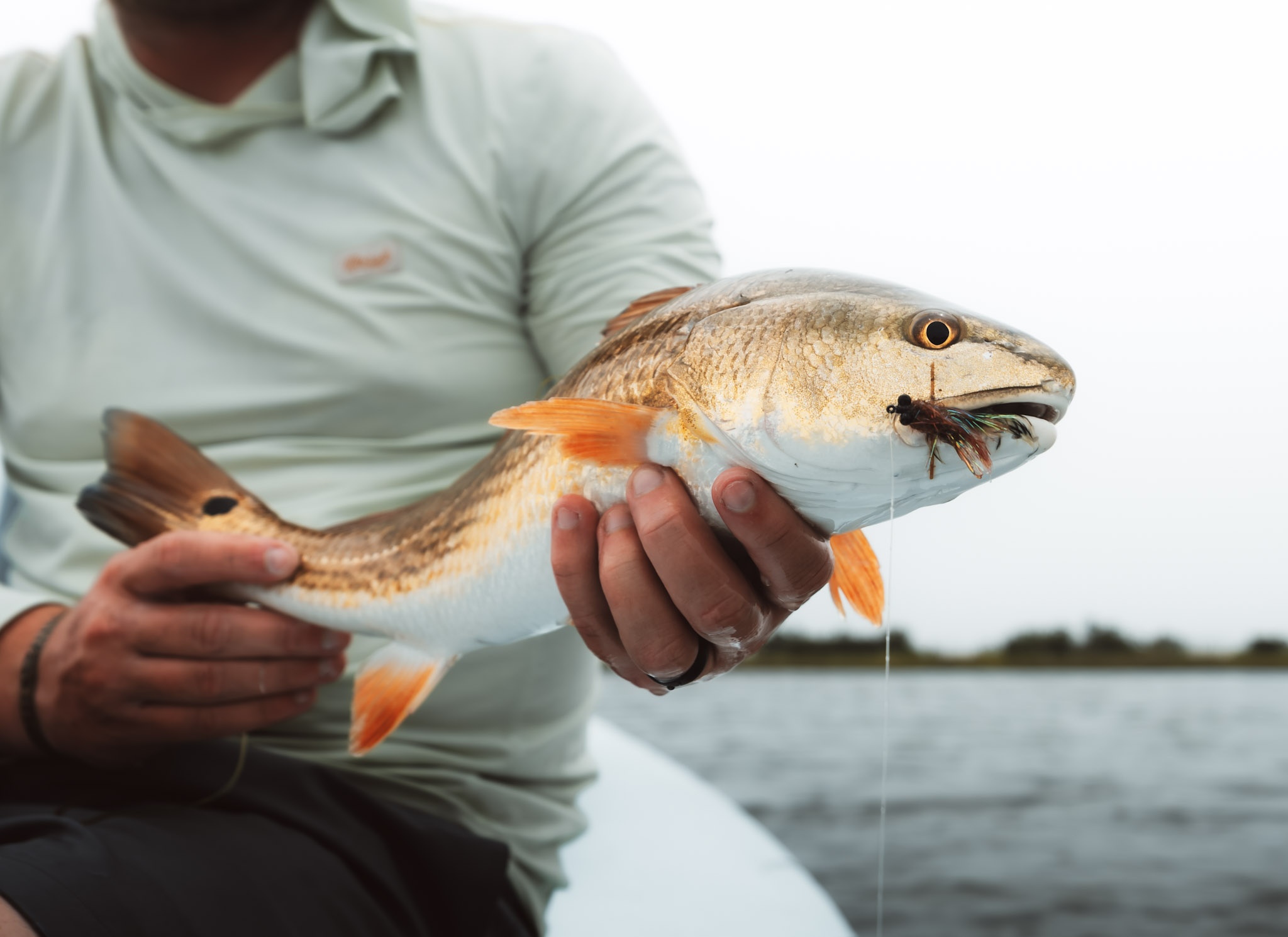
If you're new to saltwater fishing and trying to decide where to begin, redfish are the answer. They're abundant along the Texas coast from Sabine Lake to the Laguna Madre. They fight hard—a 10-pound red on light tackle will run, turn, and keep you working. They eat a variety of lures and bait, which makes them forgiving for anglers still developing their presentation skills. And in shallow water, you can see them—which turns fishing into a sport that's part hunting, part angling, and entirely addictive.

Texas redfish (also called red drum or channel bass) are present in coastal waters year-round. Slot size is 20-28 inches for harvest—one fish per day. Fish under 20 inches and over 28 inches (called bull reds) must be released. Bull reds are common in the fall near jetties and passes, and catching a 40-inch, 30-pound fish on even a medium tackle setup is a genuinely memorable experience.

Essential Gear for Getting Started

You don't need expensive equipment to catch redfish. The following setup will handle the vast majority of situations you'll encounter as a new saltwater angler on the Texas coast.

Rod and Reel: A 7-foot medium-heavy spinning rod paired with a 3000-4000 size spinning reel is the workhorse setup for Texas inshore fishing. Penn Battle, Shimano Stradic, or Daiwa BG in the $100-150 range deliver the corrosion resistance and smoothness that saltwater demands without breaking the budget. Rinse your reel with fresh water after every trip—saltwater is hard on gear, and the rinse adds years to the life of a reel.

Line: Spool with 20 lb braided line (PowerPro, Sufix 832, or similar). Braid provides excellent sensitivity, no stretch for solid hooksets, and better casting distance than mono. Add a 24-inch fluorocarbon leader of 20-25 lb between the braid and your lure or hook—flourocarbon is nearly invisible underwater and more abrasion-resistant than braid against oyster shells and structure.

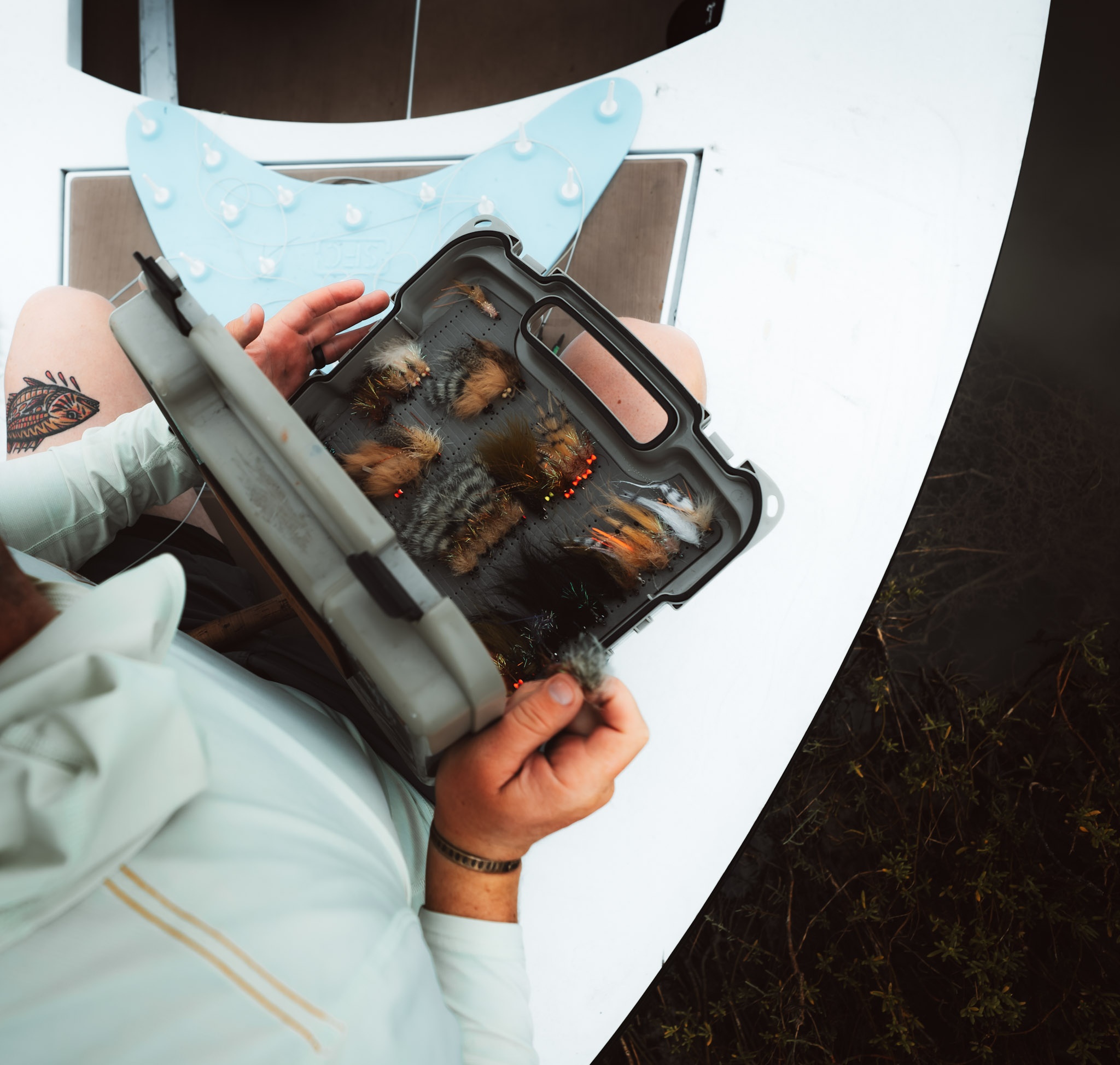
Terminal Tackle: A small tackle box with the following covers most situations: 1/4 oz and 3/8 oz jig heads, gold Johnson Silver Minnow spoons in 1/4 and 1/2 oz, a selection of 3-4 inch paddle-tail soft plastics (Gulp! Shrimp in new penny or chartreuse, Z-Man Swimmerz), #2 and #4 kahle hooks for live/cut bait, and a few cork rigs for suspending shrimp under popping corks.
The Best Baits for Texas Redfish

Live shrimp is the most effective bait for new anglers. Rig a live shrimp under a popping cork (set the cork so the shrimp hangs 12-18 inches below the surface), cast near grass edges, oyster reefs, or dock pilings, and pop the cork periodically to create noise and movement. Redfish locate the shrimp through both sound and scent, and the strike under a cork is unmistakable.

Cut mullet and cut crab are outstanding bottom baits for bull reds and larger slot fish. Rig on a 3/0-5/0 circle hook on an 18-inch leader with a sliding egg sinker above the swivel. Cast to shell pads, bay points, and areas near passes and inlets. Let it sit. Redfish will find it.

For lure fishing—which ultimately produces the most satisfying catches—start with the gold spoon. It's nearly impossible to fish incorrectly, it catches redfish in virtually every condition, and it's weedless enough to work through the grass flats where most reds are found. Retrieve steadily at medium speed, just fast enough to keep the spoon fluttering near the surface. When you feel a heavy thump, the fish has already hooked itself.

Where to Fish on the Texas Coast

Every Texas bay system holds redfish, but some are easier than others for anglers learning the game. Aransas Bay near Rockport is consistently productive and has a good infrastructure of marinas, bait camps, and guide services. The Laguna Madre near Port Mansfield is world-class redfish territory but requires a longer drive and more boat-savvy navigation. Sabine Lake near Orange and the intracoastal marshes around Port Arthur are excellent for redfish in a marsh environment—ideal for anglers who prefer the security of protected water.

Hiring a guide for your first trip is money well spent. A half-day with a local guide teaches you more about specific water, fish behavior, and effective technique than a season of unguided fumbling. Most guides along the Texas coast charge $400-600 for a half-day for two anglers. Go once, ask questions constantly, and you'll leave with a framework you can build on independently.

As you develop skills and want to explore less-pressured water, BirdDog's land access marketplace includes coastal property listings that sometimes provide access to private bay shorelines, tidal flats, and launch points that the general public never reaches. Some of the best redfish water in Texas is on private land—and now there's a way to access it.

Start simple, fish often, and don't overthink it. Redfish are forgiving teachers. The coast will do the rest.

Book a trip through BirdDog today!

Read More...

Wildlife & Land Management
How to Protect Wildlife During Summer Drought on Texas Land

Summer drought stresses Texas wildlife. Learn how landowners can provide water, manage shade, and preserve habitat to protect deer, turkey, and other game through dry spells.

Read More
Hunting & Adventure
Off-Season Doesn't Mean Off Duty: The Year-Round Hunter's Guide

Serious hunters work year-round. Discover the off-season habitat work, scouting tasks, and gear prep that give you a decisive edge when hunting season opens.

Read More
Fishing & Adventure
Early Morning Redfish Tips: Beating the Heat and Finding Fish

Early morning redfish fishing on Texas bays beats the summer heat and puts more fish in the boat. Learn the tides, locations, and tactics that work at first light.

Read More

Redfish Starter Pack: Gear, Tactics, and Access for Texas Saltwater

Rods, reels, lures, and locations for first-time Texas redfish anglers

Why Redfish Are the Perfect Saltwater Starter Fish

If you're new to saltwater fishing and trying to decide where to begin, redfish are the answer. They're abundant along the Texas coast from Sabine Lake to the Laguna Madre. They fight hard—a 10-pound red on light tackle will run, turn, and keep you working. They eat a variety of lures and bait, which makes them forgiving for anglers still developing their presentation skills. And in shallow water, you can see them—which turns fishing into a sport that's part hunting, part angling, and entirely addictive.

Texas redfish (also called red drum or channel bass) are present in coastal waters year-round. Slot size is 20-28 inches for harvest—one fish per day. Fish under 20 inches and over 28 inches (called bull reds) must be released. Bull reds are common in the fall near jetties and passes, and catching a 40-inch, 30-pound fish on even a medium tackle setup is a genuinely memorable experience.

Essential Gear for Getting Started

You don't need expensive equipment to catch redfish. The following setup will handle the vast majority of situations you'll encounter as a new saltwater angler on the Texas coast.

Rod and Reel: A 7-foot medium-heavy spinning rod paired with a 3000-4000 size spinning reel is the workhorse setup for Texas inshore fishing. Penn Battle, Shimano Stradic, or Daiwa BG in the $100-150 range deliver the corrosion resistance and smoothness that saltwater demands without breaking the budget. Rinse your reel with fresh water after every trip—saltwater is hard on gear, and the rinse adds years to the life of a reel.

Line: Spool with 20 lb braided line (PowerPro, Sufix 832, or similar). Braid provides excellent sensitivity, no stretch for solid hooksets, and better casting distance than mono. Add a 24-inch fluorocarbon leader of 20-25 lb between the braid and your lure or hook—flourocarbon is nearly invisible underwater and more abrasion-resistant than braid against oyster shells and structure.

Terminal Tackle: A small tackle box with the following covers most situations: 1/4 oz and 3/8 oz jig heads, gold Johnson Silver Minnow spoons in 1/4 and 1/2 oz, a selection of 3-4 inch paddle-tail soft plastics (Gulp! Shrimp in new penny or chartreuse, Z-Man Swimmerz), #2 and #4 kahle hooks for live/cut bait, and a few cork rigs for suspending shrimp under popping corks.

The Best Baits for Texas Redfish

Live shrimp is the most effective bait for new anglers. Rig a live shrimp under a popping cork (set the cork so the shrimp hangs 12-18 inches below the surface), cast near grass edges, oyster reefs, or dock pilings, and pop the cork periodically to create noise and movement. Redfish locate the shrimp through both sound and scent, and the strike under a cork is unmistakable.

Cut mullet and cut crab are outstanding bottom baits for bull reds and larger slot fish. Rig on a 3/0-5/0 circle hook on an 18-inch leader with a sliding egg sinker above the swivel. Cast to shell pads, bay points, and areas near passes and inlets. Let it sit. Redfish will find it.

For lure fishing—which ultimately produces the most satisfying catches—start with the gold spoon. It's nearly impossible to fish incorrectly, it catches redfish in virtually every condition, and it's weedless enough to work through the grass flats where most reds are found. Retrieve steadily at medium speed, just fast enough to keep the spoon fluttering near the surface. When you feel a heavy thump, the fish has already hooked itself.

Where to Fish on the Texas Coast

Every Texas bay system holds redfish, but some are easier than others for anglers learning the game. Aransas Bay near Rockport is consistently productive and has a good infrastructure of marinas, bait camps, and guide services. The Laguna Madre near Port Mansfield is world-class redfish territory but requires a longer drive and more boat-savvy navigation. Sabine Lake near Orange and the intracoastal marshes around Port Arthur are excellent for redfish in a marsh environment—ideal for anglers who prefer the security of protected water.

Hiring a guide for your first trip is money well spent. A half-day with a local guide teaches you more about specific water, fish behavior, and effective technique than a season of unguided fumbling. Most guides along the Texas coast charge $400-600 for a half-day for two anglers. Go once, ask questions constantly, and you'll leave with a framework you can build on independently.

As you develop skills and want to explore less-pressured water, BirdDog's land access marketplace includes coastal property listings that sometimes provide access to private bay shorelines, tidal flats, and launch points that the general public never reaches. Some of the best redfish water in Texas is on private land—and now there's a way to access it.

Start simple, fish often, and don't overthink it. Redfish are forgiving teachers. The coast will do the rest.

Book a trip through BirdDog today!

Read More...

Wildlife & Land Management
How to Protect Wildlife During Summer Drought on Texas Land

Summer drought stresses Texas wildlife. Learn how landowners can provide water, manage shade, and preserve habitat to protect deer, turkey, and other game through dry spells.

Read More
Hunting & Adventure
Off-Season Doesn't Mean Off Duty: The Year-Round Hunter's Guide

Serious hunters work year-round. Discover the off-season habitat work, scouting tasks, and gear prep that give you a decisive edge when hunting season opens.

Read More
Fishing & Adventure
Early Morning Redfish Tips: Beating the Heat and Finding Fish

Early morning redfish fishing on Texas bays beats the summer heat and puts more fish in the boat. Learn the tides, locations, and tactics that work at first light.

Read More