
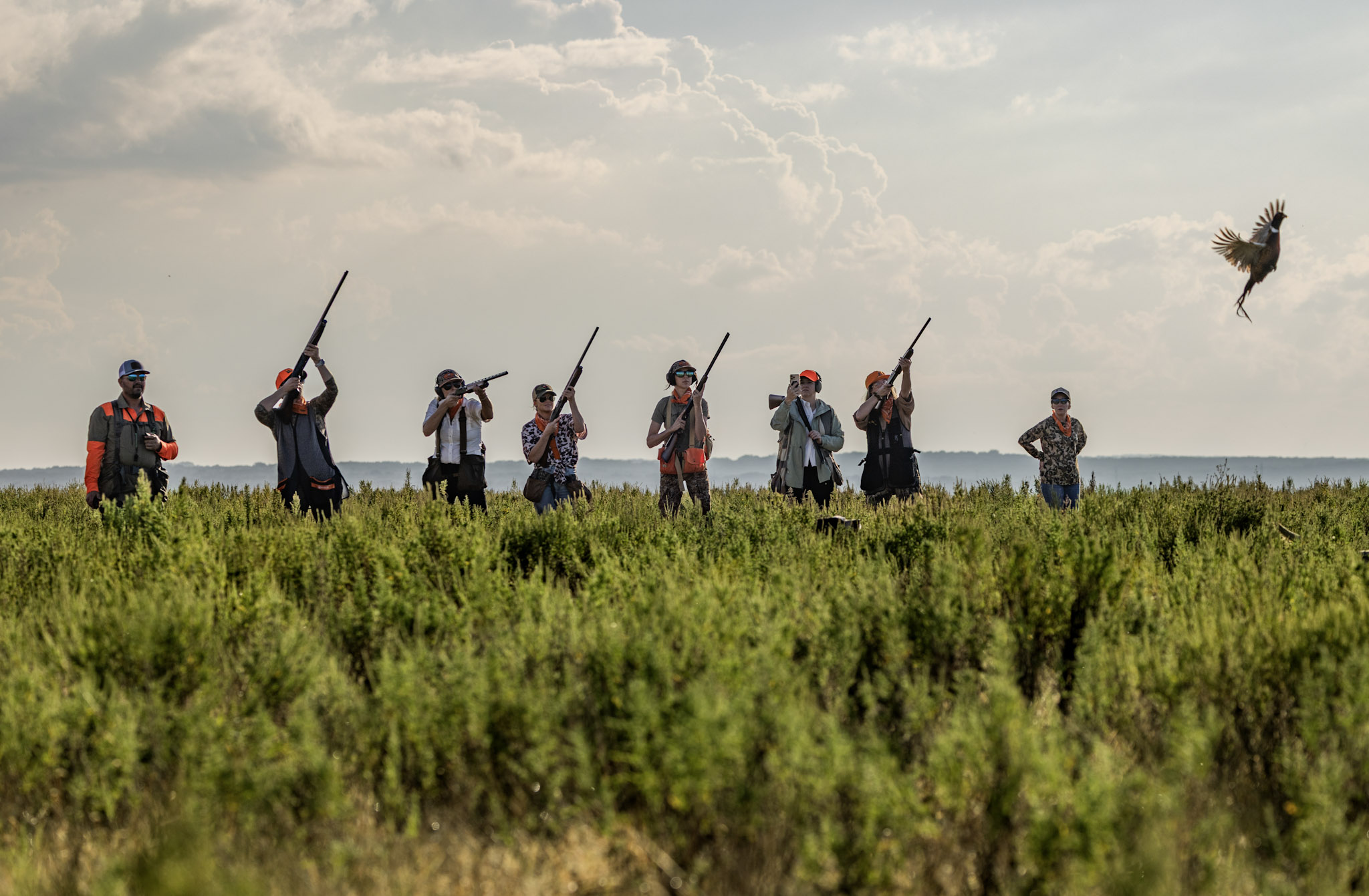
Private Property Hunting Etiquette: Respect the Land, Earn the Invite
When it comes to private land hunting in Texas and beyond, access is a privilege—not a right. More hunters are realizing that private property hunts offer the best game quality, land management, and experience available. But as access grows, so does the need for responsible hunting etiquette.
Whether you’re heading out on a BirdDog-arranged lease or invited by a private landowner, how you behave in the field can determine whether you’ll be invited back—or not.

Why Private Land Hunting Etiquette Matters
Hunting on private property is about more than harvesting game—it’s about building relationships. Landowners aren’t just sharing acreage; they’re sharing part of their livelihood, their legacy, and their trust.
When hunters respect that, they help create lasting partnerships that benefit everyone involved. The result? Better habitat management, stronger communities, and exclusive hunting access to properties that aren’t available anywhere else.
At BirdDog, we believe respectful hunters are the backbone of sustainable access. Every hunter using our platform is encouraged—and expected—to uphold a high standard of behavior when stepping onto someone else’s land.
The Golden Rules of Hunting on Private Land
1. Ask First, Always
Even if you’ve secured access through a BirdDog hunting lease, never assume full permission. Communicate directly with the landowner or property manager before your trip.
Ask about:
- Sensitive areas (feed plots, water sources, or breeding zones)
- Livestock or working animals
- Gate locks, parking areas, and access roads
A quick call or message can prevent confusion and shows that you value their property as much as your own.
2. Leave It Better Than You Found It
A responsible hunter leaves no trace. Pick up all trash, shell casings, and debris—even if it isn’t yours. Close every gate behind you, respect fences, and avoid damaging roads or crops.
Many BirdDog hunters take it a step further—offering to help with small property tasks like clearing trails or refilling feeders as a gesture of appreciation.
That simple act can turn a one-time hunt into a long-term invitation.
3. Know the Boundaries
Always hunt within the agreed-upon property lines. Use reliable mapping apps or BirdDog’s integrated GPS features to ensure you stay where you’re supposed to.
Even an honest mistake can create tension or jeopardize future hunting opportunities. Clear communication and situational awareness are key.
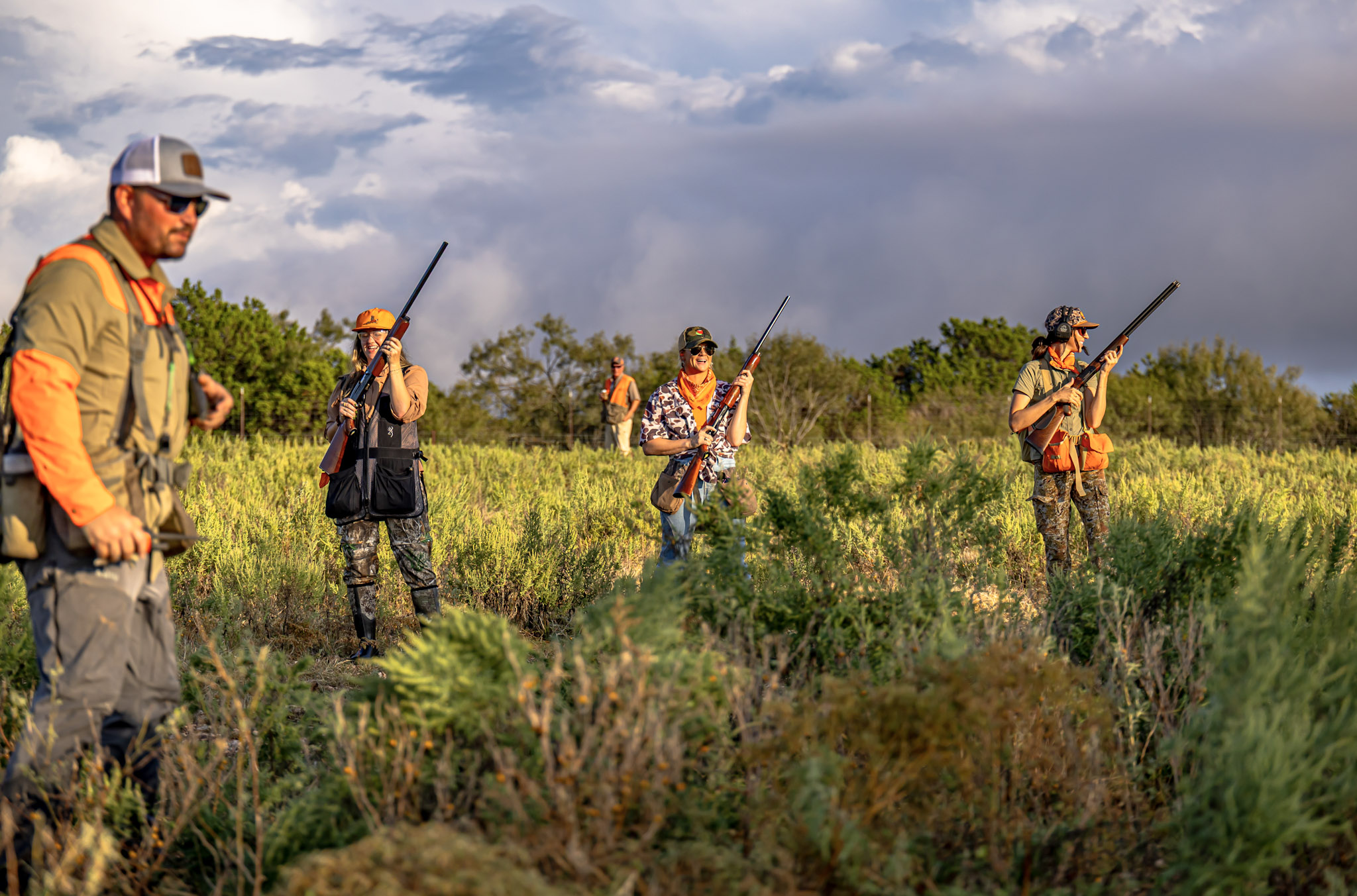 Private land hunting access BirdDog">
4. Be On Time and On Plan
When you’re hunting on private land, punctuality and preparation matter. Show up when you say you will, and don’t bring extra guests unless it’s been pre-approved.
Stick to the plan agreed upon with the landowner or guide. Noise, late arrivals, or unexpected activity can disrupt wildlife patterns—and the landowner’s trust.
5. Share Your Success
A simple thank-you goes a long way. Send a photo, message, or note of appreciation to show how much the hunt meant to you. Landowners love seeing their property contribute to memorable outdoor experiences.
If you tag BirdDog or the landowner on social media, keep posts respectful—celebrate the experience, not just the harvest.
How BirdDog Encourages Responsible Hunting Etiquette
At BirdDog, our mission is to connect ethical hunters with conservation-minded landowners while ensuring respect and sustainability stay at the core of every hunt.
Our process includes:
- Vetted hunters and guides: Every member of the BirdDog community is screened for quality, accountability, and field awareness.
- Clear communication tools: We facilitate direct coordination between hunters and landowners before, during, and after each trip.
- Pre-hunt guidelines: BirdDog provides every hunter with simple etiquette reminders and property-specific details.
- Feedback and reputation system: Both hunters and landowners can rate their experiences, helping maintain a high standard across the platform.
The result? Every hunt builds stronger connections between people and the land, creating a culture of mutual respect and stewardship.
Building a Legacy of Respect Through BirdDog
Private land access is what makes hunting in Texas and across the South so unique—and preserving that access depends on responsible, respectful behavior.
At BirdDog, we believe every trip should build a bridge, not burn one. Whether you’re a weekend hunter or a lifelong outdoorsman, following good etiquette ensures these incredible opportunities remain open for generations to come.
Join the BirdDog community of ethical hunters and landowners who value respect, access, and the great outdoors.
Learn more or start your next adventure at birddogit.com


Read More...
_4096KB.jpg)
A landowner's guide to identifying revenue potential in idle acreage and stacking multiple income streams — farming leases, hunting access, marketplace bookings, and Section 180 savings — through BirdDog.
_4096KB.jpg)
A plain-English explanation of the Section 180 tax deduction for landowners, who qualifies, realistic savings ranges by acreage, and how BirdDog has helped generate over $30 million in savings.
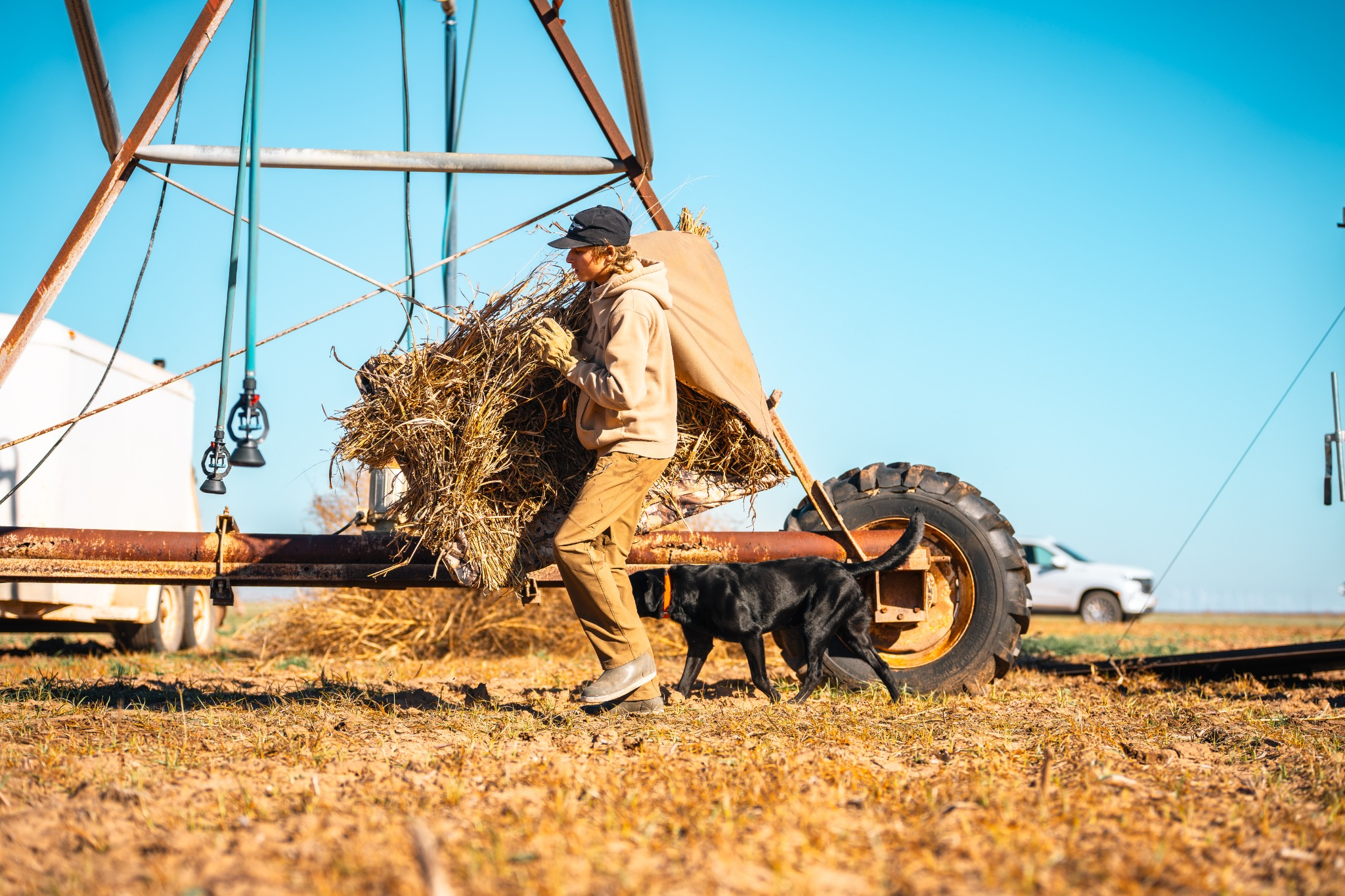
Get your Texas hunting property ready for fall with this landowner checklist. Cover food plots, stand placement, water, and trail cameras before season opener.