
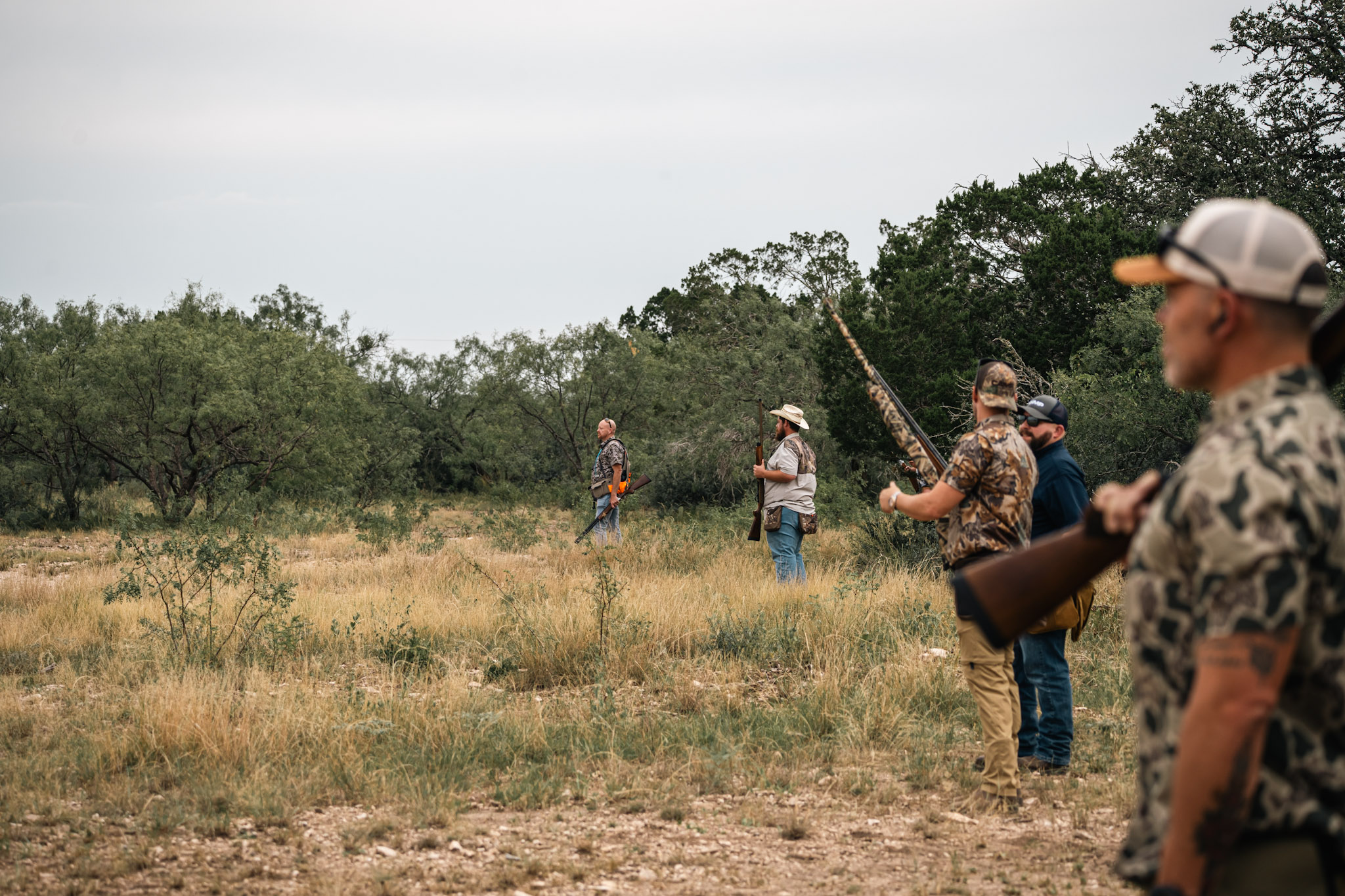
How to Attract Premium Hunters to Your Property and Maximize Hunting Revenue
Owning rural land with quality hunting opportunities puts you in a unique position. You have access to something hunters across the country are actively searching for: private land where they can enjoy a quality hunting experience.
But not every hunter is looking for the same thing. Some want affordable access for a weekend hunt, while others are willing to invest more in well-managed properties, exclusive access, and a dependable experience.
For landowners, understanding that difference can open the door to new revenue opportunities without compromising the long-term value of their property.
Understanding the Premium Hunter
Premium hunters aren't necessarily defined by age, experience, or income. They're defined by what they value and what they're willing to invest in a hunting experience.
For some, that means pursuing mature whitetail deer on carefully managed land. For others, it's a private waterfowl hunt, a well-organized upland experience, or an exclusive ranch getaway with friends, family, or business associates.
While their interests may vary, these hunters often prioritize a few important things: quality habitat, responsible land management, privacy, safety, and clear expectations.
They want to know what they're paying for and feel confident that the experience will deliver.
For landowners, providing that confidence can help build stronger relationships, encourage repeat bookings, and create more consistent income opportunities over time.
What Are Premium Hunters Willing to Pay?
There's no universal price for premium hunting access. Rates depend on location, acreage, species, season, wildlife availability, amenities, and the type of experience being offered.
A self-guided deer hunt on a smaller property will naturally be priced differently from an exclusive, multi-day hunting experience that includes lodging, meals, and professional guiding.
One of the biggest differentiators is exclusivity.
Hunters who value privacy may be willing to pay more for exclusive access to a property rather than sharing the experience with unrelated groups. Depending on the property, landowners can explore private group bookings, seasonal leases, or limited-access hunting opportunities.
The goal isn't simply to charge more. It's to understand what makes your property valuable and structure an experience that reflects that value.
Through BirdDog's zero-commission hunting marketplace, landowners can list their hunting opportunities and connect with hunters searching for private land access without giving up a percentage of their booking revenue to BirdDog.
What Makes a Hunting Property More Valuable?
Not every property needs a luxury lodge or thousands of acres to attract quality hunters. In many cases, thoughtful management, realistic expectations, and a well-organized experience can make a meaningful difference.
1. Wildlife and Habitat Quality
Healthy wildlife populations and suitable habitat are foundational to a successful hunting experience.
Properties with reliable food sources, water availability, adequate cover, and responsible hunting pressure may offer more consistent opportunities for hunters.
Landowners who invest in habitat improvements and wildlife management can use those efforts to demonstrate the care and attention given to their property.
2. Responsible Land Management
Hunters appreciate properties that are maintained and managed with purpose.
Established access routes, maintained blinds or stands, thoughtful hunting pressure, and documented wildlife activity can help prospective hunters understand what makes a property unique.
A history of responsible land management also demonstrates a commitment to maintaining the property's long-term health.
3. Accurate Property Listings
A quality hunting experience starts with clear expectations.
Hunters want to understand the property before making a booking decision. That means providing accurate information about acreage, available species, terrain, access, hunting methods, and any restrictions.
Strong photography can make a significant difference. Images showing habitat, wildlife, blinds, lodging, and the surrounding landscape help tell the story of the property.
The more transparent the listing, the easier it is for hunters to determine whether the experience meets their expectations.
4. Infrastructure and Amenities
Amenities can influence what hunters are willing to pay, but they don't have to be extravagant.
Maintained roads, safe hunting locations, clean facilities, and comfortable accommodations can improve the overall experience.
For some hunters, a well-managed property with minimal amenities is exactly what they're looking for. Others may prefer a fully hosted experience with lodging, meals, and additional services.
Understanding your target audience helps determine which improvements are worth making.
5. Communication and Professionalism
Clear communication is one of the simplest ways to improve the experience for both landowners and hunters.
Providing arrival instructions, property rules, safety expectations, and details about what's included helps prevent misunderstandings.
Being responsive and delivering what was promised can also encourage positive reviews, referrals, and future bookings.
Reaching More Hunters Through BirdDog
Traditionally, landowners have relied on personal connections, local networks, outfitters, and word of mouth to find hunters interested in accessing their property.
While those relationships remain valuable, technology has created additional ways to reach prospective hunters beyond a landowner's immediate network.
BirdDog's Landowner Intelligence Platform helps rural property owners identify opportunities to maintain, sustain, and monetize their land.
Through BirdDog's hunting marketplace, landowners can list hunting access, leases, and guided experiences directly for hunters to discover.
With more than 1 million partner acres reported across BirdDog's network, the platform is helping connect landowners and outdoor enthusiasts through a growing marketplace.
BirdDog also reports more than $3 million in revenue generated across participating properties, with average annual revenue of approximately $40,000 per property. These are platform-reported figures, not guaranteed earnings. Individual results depend on the property, market demand, pricing, and the experiences offered.
Most importantly, BirdDog's zero-commission model allows landowners to list their opportunities without paying a marketplace commission on bookings.
Landowners maintain control over their pricing, availability, property rules, and the experiences they choose to offer.
Could Guided Hunting Increase Your Revenue?
For landowners interested in taking a more active role, guided or hosted hunting experiences may provide an opportunity to generate additional revenue.
Instead of offering access alone, a hosted experience could include scouting, assistance with locating hunting areas, equipment preparation, transportation around the property, or other services.
Some properties may also be well-suited for corporate hunting groups, private retreats, or multi-day experiences that combine hunting with lodging and meals.
These additional services can support higher package pricing, but they also require more time, coordination, and operating expenses.
Before offering guided hunts, landowners should review applicable state regulations, licensing requirements, insurance coverage, and any other legal obligations.
The right approach depends on the property, the landowner's goals, and the level of involvement they're comfortable providing.
Getting Started With Your Property
The first step is understanding what your land has to offer.
Consider the wildlife species present, habitat quality, available acreage, accessibility, and any existing infrastructure. Then determine what type of hunting experience makes the most sense for your property.
Some landowners may prefer a seasonal lease that provides predictable access arrangements. Others may find that individual hunts, exclusive group bookings, or guided experiences better fit their goals.
Research comparable hunting opportunities in your region and establish pricing that reflects what you're offering.
From there, create a detailed listing with quality photography, clear expectations, and accurate property information.
With BirdDog, landowners can put their property in front of hunters searching for outdoor experiences while maintaining control over how their land is used.
Unlock More Value From Your Land
Your property may offer more opportunities than you realize.
Whether you're interested in generating additional hunting revenue, improving your land, or creating new outdoor experiences, understanding what makes your property valuable is the first step.
BirdDog helps landowners identify those opportunities and connect with the resources and people who can help bring them to life.
Ready to explore what your land could earn? Visit BirdDog to claim your property and discover new opportunities, or explore BirdDog's zero-commission marketplace to see how hunting access is being offered across the country.

Read More...
A practical guide to rural land loan types, what lenders evaluate, common mistakes landowners make, and how to approach financing a farm, ranch, or hunting property.
A landowner's guide to identifying revenue potential in idle acreage and stacking multiple income streams — farming leases, hunting access, marketplace bookings, and Section 180 savings — through BirdDog.
A plain-English explanation of the Section 180 tax deduction for landowners, who qualifies, realistic savings ranges by acreage, and how BirdDog has helped generate over $30 million in savings.