
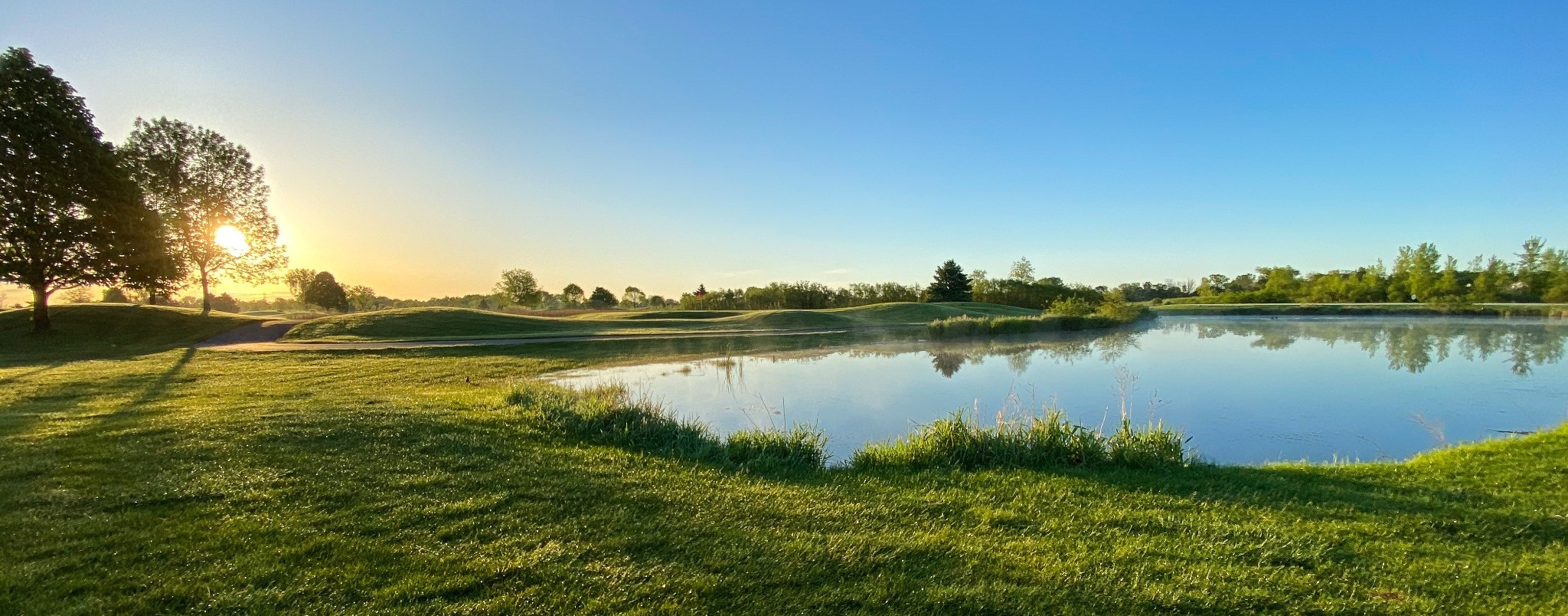
From Stocking to Catching: How Texas Landowners Grow Trophy Bass Populations
If you own land in Texas with a pond or private lake, you're sitting on one of the most valuable recreational assets in the country — and most landowners never tap its full potential. Growing trophy largemouth bass isn't luck. It's a science. And Texas, more than almost any other state, has the climate, genetics, and know-how to produce world-class bass fisheries on private land.
Whether you're starting with a blank water canvas or trying to improve an underperforming pond, this guide walks you through every step — from the first fish you stock to the moment you hold a 10-pound bass by the lip.
Why Texas Is Built for Trophy Bass
Texas is one of the top states in the country for producing largemouth bass over 10 pounds. That's not an accident. Decades of strategic stocking, favorable growing seasons, and the introduction of Florida-strain largemouth have transformed both public and private waters across the state.
Since 1974, Texas Parks and Wildlife Department (TPWD) has used pure Florida-strain largemouth bass as broodfish for stocking programs. The result? The state record grew from roughly 13.5 pounds to 18.18 pounds by 1992. Today, through the Toyota ShareLunker Program, TPWD stocks 4–6 million genetically superior "Lone Star Bass" — offspring of fish weighing 13 pounds or more — into Texas waters every year.
Private landowners have access to those same tools. And on managed private water, the results can be even more dramatic.
The Expert Behind the Science: Bob Lusk and Pond Boss
When it comes to private pond and lake management, few names carry more weight than Bob Lusk — widely known as "The Pond Boss." A Texas-based fisheries biologist with decades of hands-on experience, Lusk has consulted on thousands of private lakes across the country and built Pond Boss into the leading educational resource for landowners serious about their water.
His philosophy is one BirdDog points landowners toward when they're ready to get serious about their fishery:
"Managing a pond is like managing deer. You need good habitat, good food at the right time, the right genetics and a harvest strategy based on your management goals."— Bob Lusk, Pond Boss
That framework — habitat, food, genetics, harvest — maps directly to the conversations BirdDog has with landowners every day. When a property has water on it, we ask the same questions: What are your goals? What does the land support? And who are the right people to help you get there? For fisheries, Pond Boss is one of the resources we recommend most.
Lusk also captures something that goes beyond fish: "When you create a lake, you are making decisions that will affect that piece of land for generations." That's land stewardship — and it's exactly the philosophy BirdDog is built on. Land is a legacy, and every decision you make today shapes what you pass on tomorrow.

Step 1: Start With the Right Genetics
The single most important decision you'll make is which strain of largemouth bass to stock. Not all bass are created equal.
Northern Largemouth (Native Strain)The most commonly stocked bass across the U.S. Hardy, cold-tolerant, and aggressive. With proper forage, Northern-strain bass can grow to 6–8 pounds in Texas — solid fish, but not trophies.
Florida-Strain LargemouthThe trophy standard. Florida-strain bass grow faster over a longer period of life than their Northern counterparts, with the genetic potential to exceed 10 pounds under the right conditions. In Texas, with proper pond management, Florida-strain bass can gain up to 3 pounds per year. The tradeoff: they're more susceptible to rapid temperature drops. Stock larger fish when possible to improve winter survival.
Bob Lusk puts it plainly: "Want giant bass? You must have Florida genetics." He treats genetic management as an ongoing project — not a one-time stocking event — and recommends introducing fresh genetics periodically as the fishery matures.
F1 Hybrid (Tiger Bass)A cross between Northern and Florida strains, F1 bass exhibit what's called "hybrid vigor" — combining the cold tolerance of the Northern strain with the accelerated growth of the Florida strain. They're a popular choice for central and north Texas landowners. Important caveat: hybrid vigor diminishes in second and third generations (F2, F3), so plan to restock F1 juveniles every 4–6 years to maintain genetic quality.
The bottom line: If your goal is trophy bass, Florida genetics are non-negotiable. Whether you choose pure Florida or F1 depends on your geography, pond size, and winter conditions. A qualified fisheries consultant can help you choose the right strategy for your specific property.
Step 2: Build the Food Chain Before You Stock Bass
This is where most landowners go wrong. You cannot grow big bass without big food. It takes approximately 10 pounds of forage to add 1 pound of weight to a bass — and trophy-class fish need more still.
The Foundation: BluegillBluegill are the backbone of any bass fishery. A proper new pond should be stocked with 500 bluegill (or 400 bluegill + 100 redear sunfish) per acre in the fall — before any bass are introduced. By stocking in fall, they grow through winter and are ready to spawn in spring, providing ample prey when bass arrive.
Redear sunfish pair beautifully with bluegill because they occupy a different food niche, meaning they don't compete directly. The result: more fish total, more forage for bass.
Supplemental Forage SpeciesFor trophy-focused ponds, bluegill alone may not be enough. Lusk and other top fisheries managers recommend supplemental stocking of:
- Golden Shiners — excellent early-season forage, especially in newly established ponds
- Gizzard or Threadfin Shad — high-value forage for larger bass; best suited for ponds 15+ acres with established predator populations
- Mozambique Tilapia — doubles as vegetation control and provides high-protein forage
- Channel Catfish — low-maintenance addition that adds angling variety and helps scavenge pond bottoms
Timing matters. Never stock bass and bluegill simultaneously in a new pond — bass will consume the small sunfish before they can spawn and establish a forage base. Let forage fish establish first.
Step 3: Get Your Water Right
Genetics and forage mean nothing in bad water. Before you stock a single fish, assess and correct your water chemistry.
- Alkalinity: Target 50–150 parts per million (ppm). Low alkalinity suppresses the plankton food chain that everything in your pond depends on.
- pH: Maintain between 6–9 for optimal fish health and productivity.
- Correction: Crushed agricultural limestone can safely raise alkalinity and pH in ponds that already contain fish. Avoid hydrated or quicklime in active fisheries — rapid pH swings can cause fish kills.
A fertilization program using liquid or powdered phosphorus (5–8 lbs per acre) promotes phytoplankton growth — the base of the entire pond food chain. Healthy plankton density creates the green water clarity that signals a productive system.
As Lusk notes, temperature is your management calendar: "Everything is related to water temperature." Start fertilizing once water consistently exceeds 55°F in spring. Time your stocking, harvests, and major management decisions to match what the water is telling you.
Step 4: Stock in the Right Order, at the Right Time
A common and costly mistake: dumping everything in at once and hoping for the best. Strategic sequencing is essential.
Recommended stocking order for a new pond:
- Correct water chemistry and establish adequate depth (average 6–8 feet minimum)
- Fall: Stock bluegill and/or redear sunfish at 400–500 per acre
- Following spring/summer: Stock bass fingerlings (2–4 inches) after forage fish have had time to grow and spawn
- Ongoing: Add supplemental forage and catfish as needed based on management goals
For established ponds with existing bass populations, resist the urge to stock more bass if fish are small and stunted. More bass makes the problem worse. Instead, focus on forage expansion and targeted harvest.
Step 5: Manage Harvest as Aggressively as You Manage Stocking
Selective harvest is the most underutilized tool in private pond management — and one of the most powerful.
Why harvest matters: Overcrowded ponds create intense competition for food. Bass expend more energy chasing prey than they gain from eating it. Growth stalls. The pond becomes what biologists call "stunted."
Harvest guidelines for trophy-focused ponds:
- Begin harvesting bass in year 3 after initial stocking
- Minimum annual harvest: 10 lbs of 6–10 inch largemouth per acre
- For trophy goals: harvest 25+ lbs of 6–14 inch bass per acre per year to free up food resources for remaining fish to grow large
The counterintuitive truth: removing the right fish at the right time produces bigger fish. You're not depleting the fishery — you're managing it.
What to keep: Release your biggest bass. Every time. A 22-inch bass can eat a 14-inch bass and add pounds quickly. Trophy fish need to stay in the water.
Lusk's rule of thumb applies here too: "The fishery tells you if you listen." Regular electrofishing surveys — ideally every 1–2 years — give you the data you need to make smart harvest decisions instead of guessing.
Step 6: Maintain Genetics Over Time
The work doesn't end with your initial stocking. Genetics degrade over generations through natural reproduction and inbreeding. A pond stocked with Florida-strain bass in year one may see diminishing genetic quality by year eight if nothing is done.
Ongoing genetic management:
- Restock F1 juveniles every 4–6 years to refresh hybrid vigor
- For pure Florida-strain ponds, periodic restocking maintains the concentration of Florida alleles in the population
- Monitor fish size trends through regular electrofishing surveys — declining average size is often the first sign of genetic or food-chain issues
Lusk is direct on this point: "Don't stock Florida strain bass in the beginning and expect them to carry you straight to the top over the long haul. Integrate genetics as an ongoing project."
Think of it like managing livestock genetics. You wouldn't run the same bull indefinitely. Your bass population deserves the same intentionality.
Step 7: Add Structure and Habitat
Habitat isn't just about aesthetics — it's about efficiency. Well-placed structure concentrates prey, gives bass ambush points, and reduces the energy they expends hunting.
Effective habitat additions:
- Submerged brush piles and stake beds
- Aquatic vegetation (native species in moderation)
- Floating docks and shallow-water cover
- Deep water refuges (12+ feet) for hot summer months
Structure doesn't necessarily make bass grow faster, but it makes them easier to find — and that consistent angling pressure keeps you monitoring the population.
The BirdDog Approach: Connecting Landowners to the Right Expertise
At BirdDog, we believe land should work for you — not just sit there. A well-managed private fishery is one of the highest-return recreational investments a Texas landowner can make. It adds appraised value to your property, creates memorable experiences for family and guests, and — when opened to hosted trips — can generate meaningful lease and booking revenue.
Our role is to connect the dots. We work with landowners across Texas to evaluate water resources, identify management opportunities, and point you toward the right experts — including trusted industry resources like Pond Boss — so that building a world-class bass fishery on your property doesn't require you to figure it out alone.
Pond Boss has published over two decades of research-backed guidance on private fisheries management. Their magazine, online forum, and consulting directory are some of the best tools available to private landowners. When BirdDog landowners are ready to get serious about their water, that's where we send them first.
Whether you're starting a new pond from scratch or breathing life into an old one, we'll help you build something worth fishing for generations.
[Connect with a BirdDog Land Consultant →]
Frequently Asked Questions
How long does it take to grow a trophy bass in Texas?Most trophy-class bass (8–10+ lbs) require 7–10 years of proper management — good genetics, abundant forage, quality water, and selective harvest. With Florida-strain genetics and ideal conditions, exceptional fish can develop in 5–7 years.
What's the best bass strain to stock in Central Texas?Florida-strain or F1 hybrid (Tiger Bass) are both excellent choices for Central Texas, which has mild winters and long growing seasons. Pure Florida bass are well-suited south of I-10; F1 hybrids offer more cold tolerance for Hill Country and north-central properties.
How many bass can I stock per acre?For a new pond, bass are typically stocked at 50–100 fingerlings per acre after forage fish are established. Stocking rates vary based on pond productivity, forage density, and management goals — always consult a fisheries biologist for site-specific recommendations.
Do I need a permit to stock fish in a private pond in Texas?Generally, no permit is required to stock privately purchased fish in a private pond that has no inlet or outlet connecting to public water. Triploid grass carp are an exception and do require a TPWD permit. Always confirm with a local fisheries biologist before stocking.
What is Pond Boss and how can it help Texas landowners?Pond Boss, founded by fisheries biologist Bob Lusk, is the leading educational resource for private pond and lake management in the U.S. Their magazine, online community, and consulting directory have helped thousands of landowners build better fisheries. It's one of the first resources BirdDog recommends to landowners who are ready to develop or improve a private fishery on their property.
Can I participate in TPWD's ShareLunker program from my private pond?Yes. Private landowners in Texas can contribute trophy bass from their property to the Toyota ShareLunker Program. At least 20 private waters have already produced ShareLunker fish.


Read More...
_4096KB.jpg)
A landowner's guide to identifying revenue potential in idle acreage and stacking multiple income streams — farming leases, hunting access, marketplace bookings, and Section 180 savings — through BirdDog.
_4096KB.jpg)
A plain-English explanation of the Section 180 tax deduction for landowners, who qualifies, realistic savings ranges by acreage, and how BirdDog has helped generate over $30 million in savings.
Get your Texas hunting property ready for fall with this landowner checklist. Cover food plots, stand placement, water, and trail cameras before season opener.