
Dove Season Countdown: Everything You Need to Know Before Opening Day
Licenses, field prep, and gear reminders for Texas dove season opener
Two Weeks Out: Where You Should Be
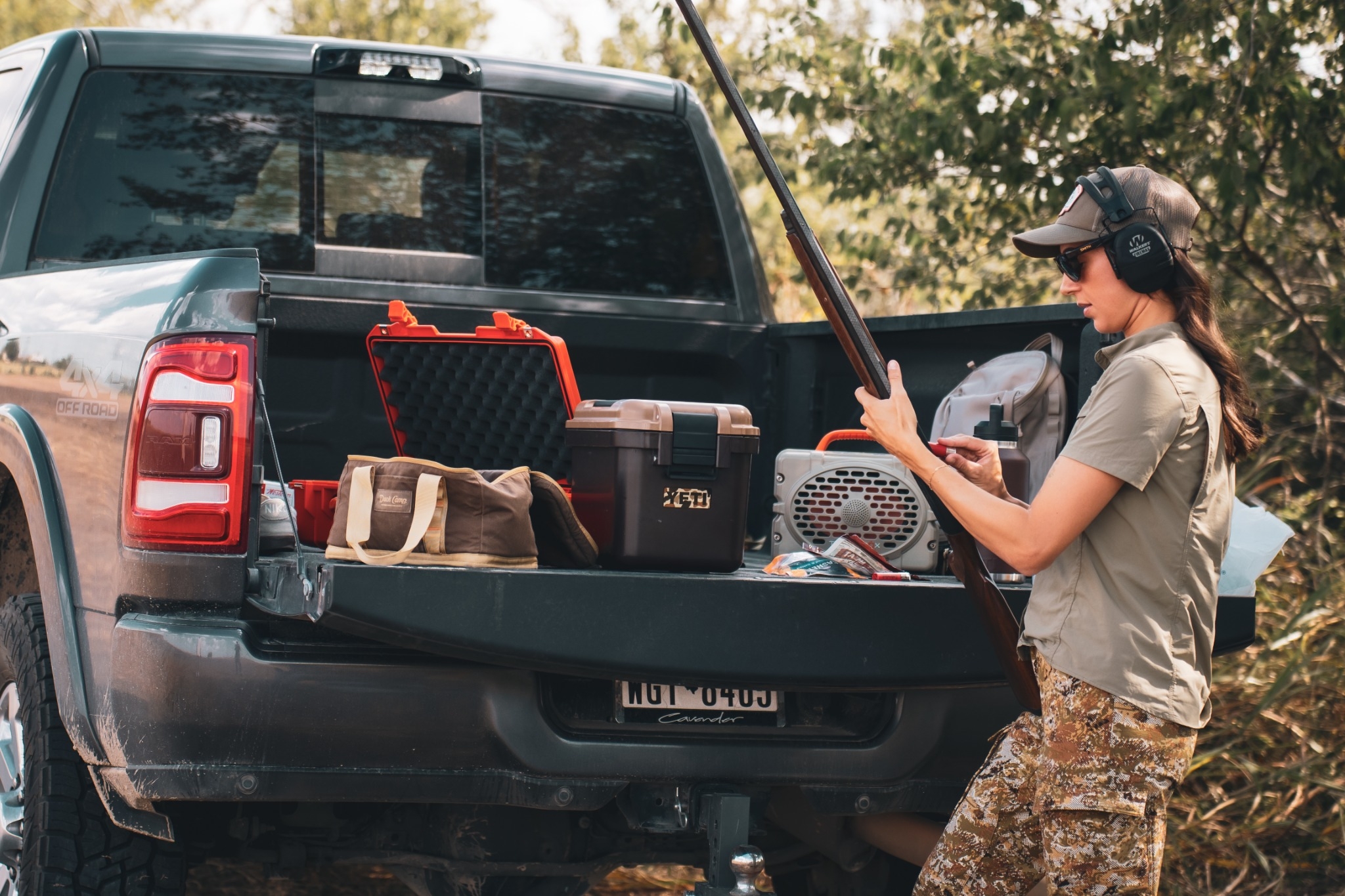
If September 1 is two weeks away and you haven't secured a field, bought your license, or located a shotgun, the clock is ticking. Dove season is the most logistically straightforward hunt in Texas, but that simplicity can lull people into waiting too long. The best private fields are committed weeks in advance. License purchases surge in late August and TPWD's online system can run slow. And that shotgun sitting in the safe probably needs a cleaning and a quick range session before you fire 200 shells in an afternoon.
Use this as your final countdown guide. Work through it systematically over the next two weeks and you'll be ready.
Licenses and Legal Requirements
Texas dove hunting requires a valid Texas hunting license (resident or non-resident) and a Federal Migratory Bird Hunting and Conservation Stamp (Federal Duck Stamp) for hunters 16 and older. Purchase both through TPWD's online system at tpwd.texas.gov or at a licensed retailer like Bass Pro, Academy, or Walmart sporting goods.
Know your zone. Texas dove hunting is divided into three zones with different season structures: North Zone, Central Zone, and South/Special White-winged Dove Zone. Season dates, bag limits, and species compositions differ between zones, and hunting in the wrong zone or under the wrong regulation is a citation. Verify the current TPWD regulation for your specific hunting location before opening day—regulations are published in the annual Outdoor Annual, available online and in print at license retailers.
The statewide bag limit for the 2026 season (verify with TPWD for final regulations) is 15 dove per day with a possession limit of 45. White-winged dove count toward the total combined bag. Band-tailed pigeons (rare in Texas but possible in far West Texas) have separate, more restrictive limits and require a Band-tailed Pigeon permit—check if applicable to where you're hunting.
Field Scouting in the Final Week
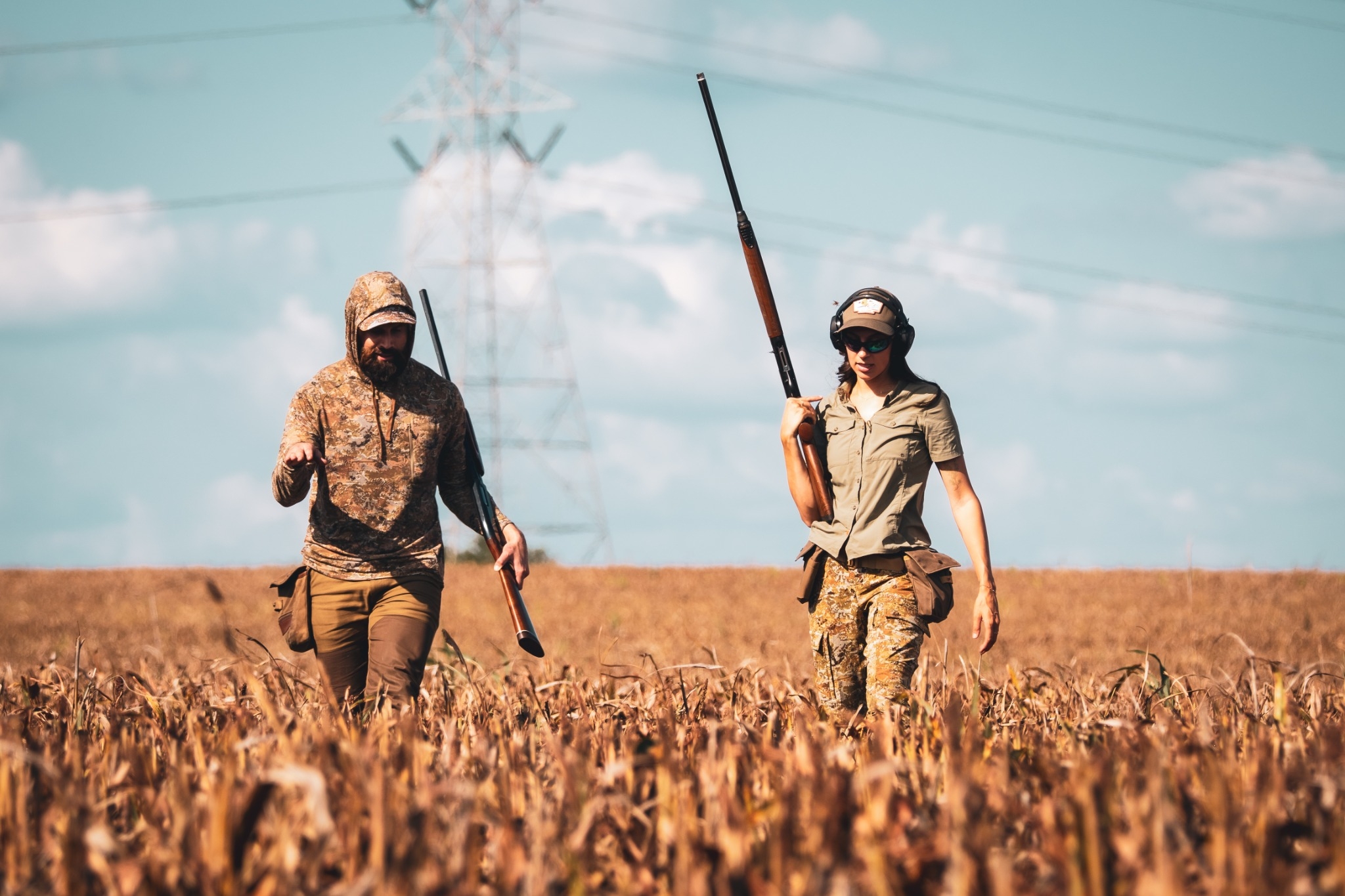
If you haven't confirmed your field is producing dove activity, do a drive-by scout in the final week. Look for bird activity at dusk—doves moving to roost, birds trading between fields and water. A field with visible dove activity at 7:00 PM a week before season opens will be a productive field on opening day. A field that looks perfect on paper but shows no birds in the final week before season may have shifted to a better adjacent food source.
Identify your shooting position within the field. Dove come from specific directions at specific times based on where they're roosting, watering, and feeding. Position yourself to intercept the flight paths, not just to be near the food. A corner post with open sky on two sides and cover at your back is often the best single position in a field. Get to the field early enough before shooting time to be in position before birds start moving—in Texas, dove hunting hours begin 30 minutes before sunrise.
Establish multiple shooting positions if multiple hunters are using the same field. Spread out to cover multiple flight paths rather than stacking up in one corner. Communication before the hunt about who is covering which area prevents unsafe shooting angles and improves everyone's success.
Gear and Prep in the Final Days
Clean and oil your shotgun. Run a bore snake or cleaning patches through the barrel, lightly oil the action, and make sure the choke tubes are snug. A dirty, dry shotgun cycling through 200 shells in Texas heat can produce malfunctions that cost you birds and frustrate your morning.
Pattern your choke at distance. Most dove shooting happens at 20-40 yards. An improved cylinder choke produces an ideal pattern for birds in that range—open enough to cover the spread without over-chocking. If you've changed loads since you last patterned, a quick 5-shot pattern session at 35 yards confirms your gun/choke/load combination is producing the coverage you expect.
Pack your dove bag the night before: shells (150-200 minimum), water (at least a gallon per person for a hot afternoon), sunscreen, hat, seat/stool, shell bag or vest, game bags for birds, knife, and a cooler with ice for meat care in the heat. Dove shot in 95-degree heat deteriorate quickly—get birds into ice within an hour of harvest to maintain meat quality.
Opening Day Expectations
Opening weekend dove hunting in Texas is a social event as much as a hunting event. The best fields in the state will have birds, hunters, and activity that's hard to replicate the rest of the year. White-winged dove in particular are extremely active on September 1 in South Texas—the concentration of birds before migration begins produces shooting that can be genuinely exceptional.
Set realistic expectations for your shots-to-birds ratio if you're new. Experienced dove hunters might average one bird per 4-6 shells. Beginners should expect to work through more ammunition before developing the lead and swing that consistently connects on fast-moving birds. That's part of the experience. Shoot a lot, adjust your lead, and by the end of the afternoon your shooting will be better than it was at the start.
For hunters who haven't secured field access yet, BirdDog's hunting lease platform has dove-specific properties listed across Texas—many with September 1 availability and managed sunflower or milo fields ready for opening day. Booking through the platform gives you confirmed access with documented field conditions before you make the drive.
Be safe, be legal, and make sure your first shot is at a legal dove and not a protected species. September 1 is almost here. Get ready.
Read More...
A landowner's guide to identifying revenue potential in idle acreage and stacking multiple income streams — farming leases, hunting access, marketplace bookings, and Section 180 savings — through BirdDog.
A plain-English explanation of the Section 180 tax deduction for landowners, who qualifies, realistic savings ranges by acreage, and how BirdDog has helped generate over $30 million in savings.
Get your Texas hunting property ready for fall with this landowner checklist. Cover food plots, stand placement, water, and trail cameras before season opener.