
How to List Your Land on a Zero-Commission Hunting Marketplace (and What to Expect)
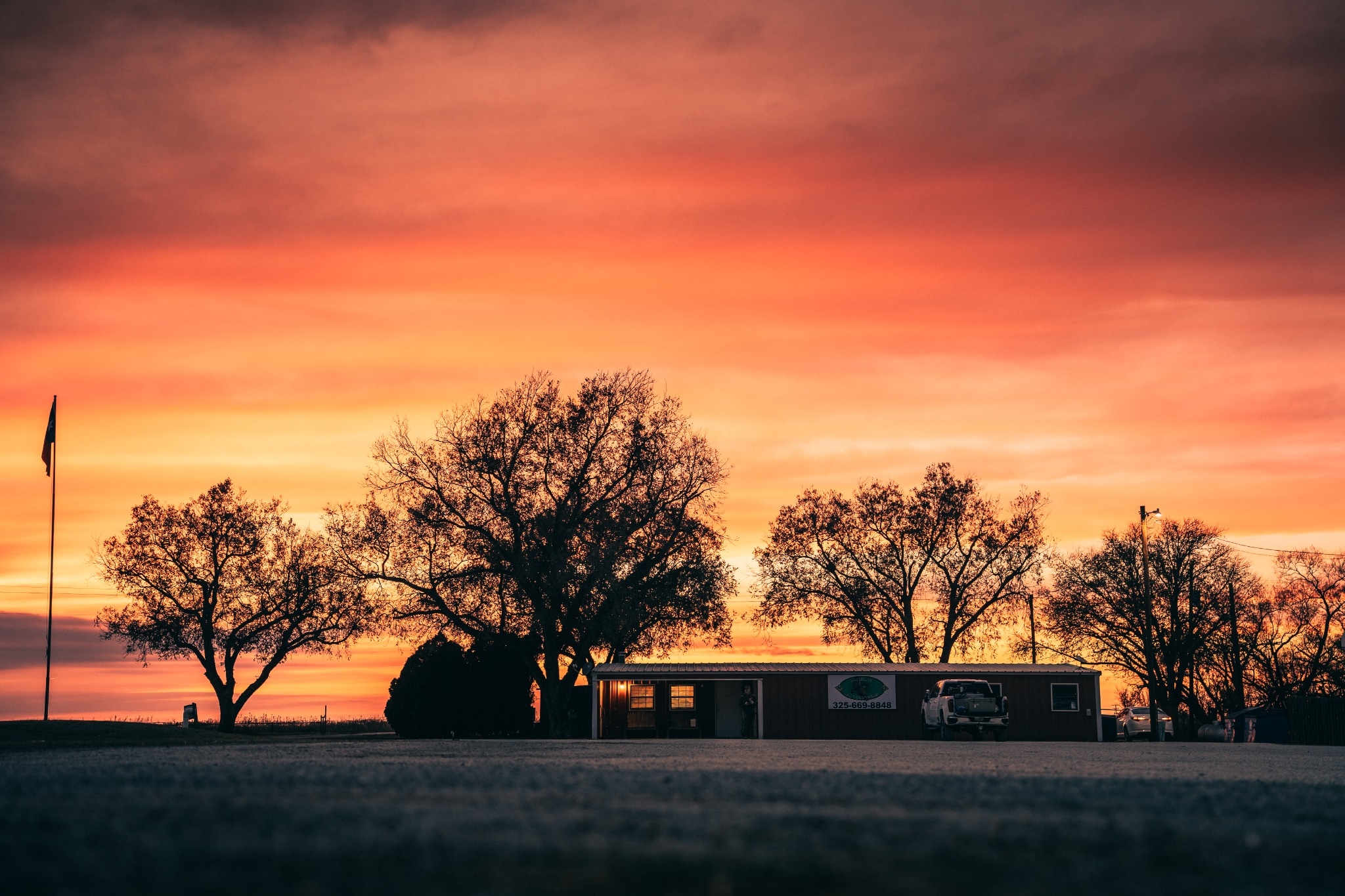
Listing Your Land Has Never Been This Straightforward
If you own rural acreage, you've probably wondered at some point whether you could be making money from it. Hunters are actively searching for land. Outfitters are looking for quality properties. The demand is real — and it's consistent. What's been missing for most landowners is a simple, trustworthy path to connect with those hunters without giving up a cut of every transaction.
That's where BirdDog's hunting marketplace comes in. No commissions. No middlemen taking a slice of your revenue. Just a direct connection between your property and the hunters looking for exactly what you have.
Here's what the process actually looks like, and why it works the way it does.
Understanding the Zero-Commission Model
Traditional hunting lease brokers and booking platforms typically charge commissions ranging anywhere from 10% to 30% of what hunters pay. That's revenue leaving your pocket on every transaction — every season, every booking, every year.
BirdDog operates differently. The marketplace is built on a zero-commission model, which means landowners keep 100% of what hunters pay. If a hunter books a $3,000 deer hunt on your property, you receive $3,000. Full stop.
This isn't a gimmick — it's a structural choice. BirdDog's business model doesn't depend on skimming from your transactions. The platform's value is in connecting landowners and hunters, not in taxing the relationship between them.
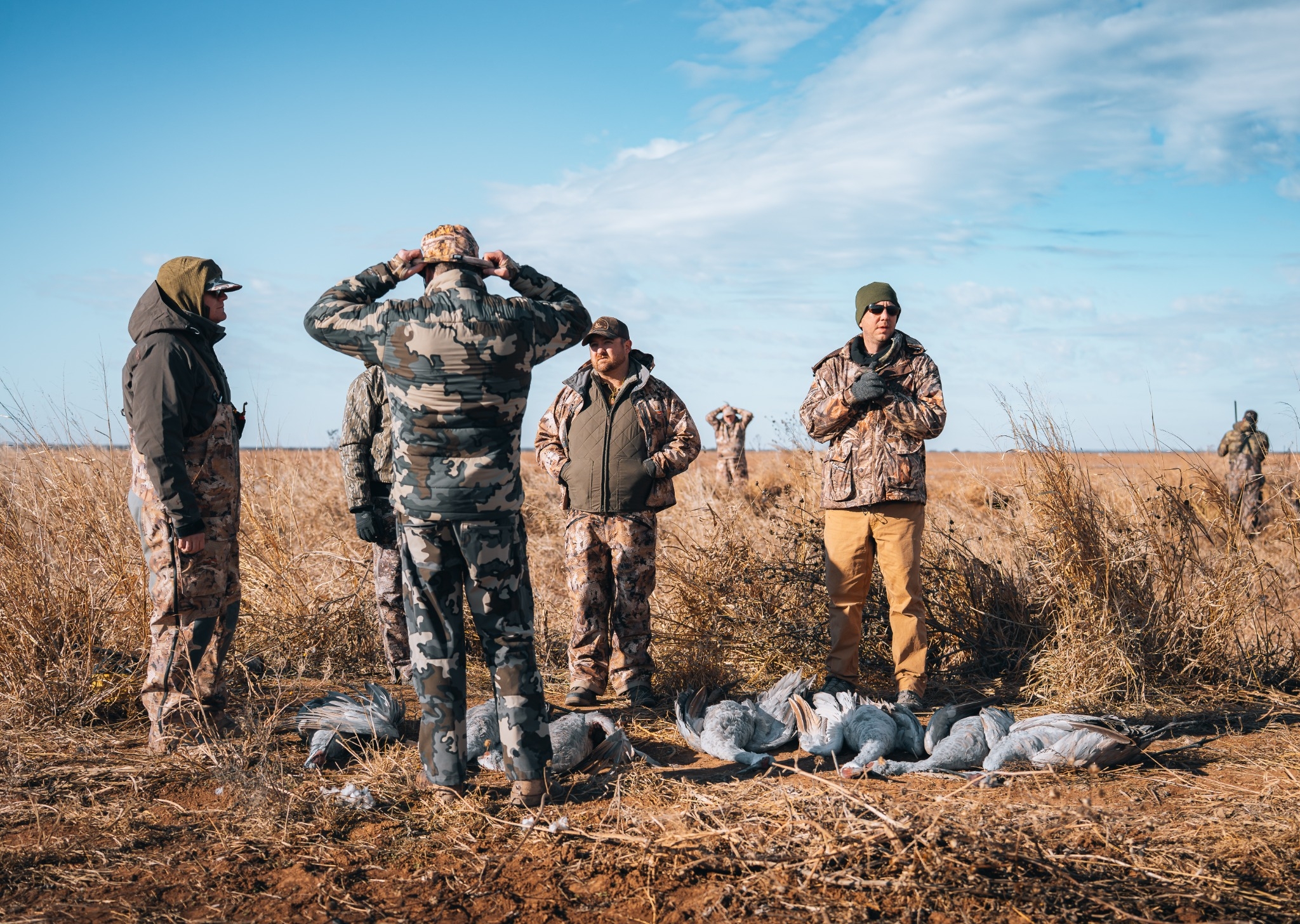
What the Marketplace Offers Landowners
The BirdDog marketplace is built around a few core principles that matter to rural landowners:
- Zero commission: You keep everything hunters pay. No hidden fees on transactions.
- Verified operators: Every operator on the platform goes through a verification process. You're not opening your gate to strangers — you're connecting with vetted hunters and outfitters.
- Secure messaging: Communication stays on-platform, keeping your personal contact information private until you're ready to share it.
- Transparent pricing: Hunters see what you're charging upfront. That means fewer negotiations, clearer expectations, and better-matched bookings.
The platform is built for landowners who want real revenue without the headaches of managing listings on multiple sites or negotiating commissions with brokers.
How Hunters Find Your Property
On the hunter side, the experience is straightforward: search, compare, book. Hunters browse available properties, review what's being offered, see pricing clearly, and reach out to confirmed operators. Because every operator is verified, hunters have confidence in who they're dealing with. That trust dynamic works in your favor — it means you're attracting serious hunters who are ready to book, not casual inquiries.
The transparency in pricing also cuts down on the back-and-forth. When your rates are visible and your property details are clear, you tend to attract hunters who already know your property is the right fit.
What Kind of Land Qualifies?
The BirdDog marketplace works across a range of rural property types. You don't need a professionally managed trophy operation to participate. Properties that tend to generate strong interest include:
- Whitetail deer habitat — food plots, timber edges, creek bottoms
- Waterfowl properties — ponds, flooded fields, river access
- Upland bird properties — quail, pheasant, dove fields
- Hog hunting and predator control properties
- Properties with multiple species or seasonal variety
If your land has huntable wildlife and you're willing to host hunters, there's likely a market for it. The platform is designed to surface properties that match what hunters are specifically looking for — so even specialized or niche properties can find their audience.
Setting Up Your Listing
Getting listed on the BirdDog marketplace isn't a complicated process. The key elements of a strong listing typically include:
- Accurate acreage and location information — hunters filter by region and size
- Clear species availability — what can hunters reasonably expect to encounter?
- Honest descriptions of amenities — lodging, camping, access roads, blinds, feeders
- Clear pricing — day rates, seasonal leases, guided vs. unguided options
- Photos — habitat, access points, any structures
Landowners who set clear expectations upfront tend to have better experiences with hunters. Surprises in either direction — a property that's better than expected, or one that doesn't match the listing — shape repeat bookings and reviews.
The Revenue Opportunity Is Real
Across BirdDog's participating properties, landowners have collectively generated $3 million in revenue through the platform. The average annual revenue per property runs around $40,000. That number reflects properties that have leaned into what their land offers and positioned it well in the marketplace.
Not every property will hit that average — acreage, location, species diversity, and amenities all factor in. But for landowners sitting on productive habitat that's currently generating nothing, the opportunity gap is significant.
The math is simple: if your land is already supporting wildlife and you're not monetizing that, you're leaving money on the ground every season.
Hunting Revenue Is Just One Piece
The marketplace is one of several tools BirdDog offers landowners looking to put their land to work. BirdDog's broader platform also helps landowners:
- Recover tax savings through Section 180 and Excess Residual Fertility services
- Access rural land financing
- Find the right insurance coverage for rural and agricultural properties
- Implement habitat management programs
- Explore conservation easements and other land monetization strategies
Hunting revenue and tax savings, in particular, can be stacked — meaning landowners don't have to choose between them.
Get Started
If you own rural acreage and you've been curious about what the hunting marketplace could generate for your property, the first step is simple. Visit birddogit.com/landowners to explore BirdDog's full suite of landowner services and learn how to get your property in front of verified hunters — without giving up a dollar of commission.
Your land is working every season whether you're monetizing it or not. The question is whether that work is putting money in your pocket.

Read More...
A practical guide to rural land loan types, what lenders evaluate, common mistakes landowners make, and how to approach financing a farm, ranch, or hunting property.
A look at how BirdDog helps landowners put their property to work through hunting and recreation, farm and grazing leases, Section 180 tax opportunities, financing, insurance, and land improvements.
A landowner's guide to identifying revenue potential in idle acreage and stacking multiple income streams — farming leases, hunting access, marketplace bookings, and Section 180 savings — through BirdDog.