
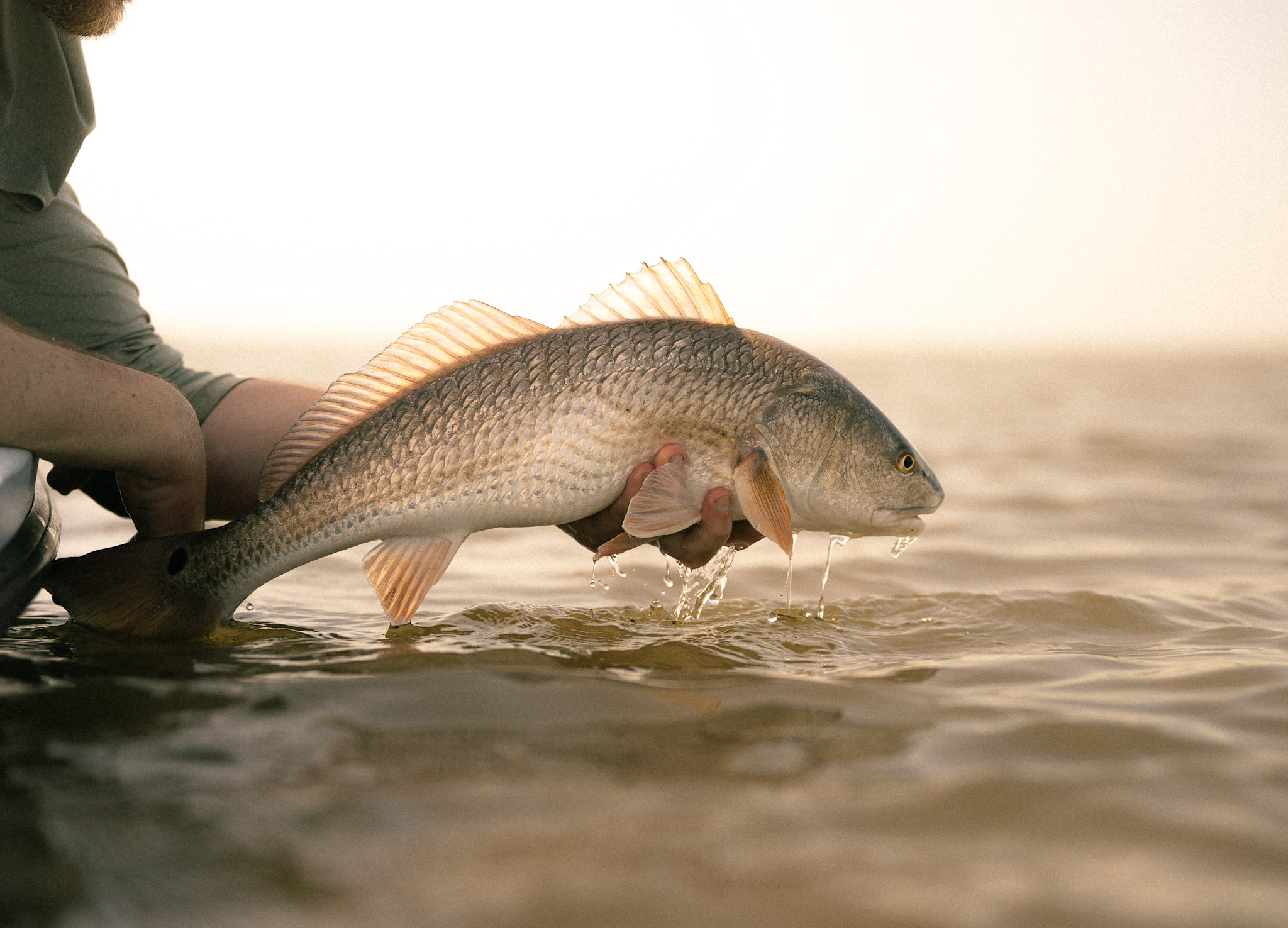
Best Early Spring Fishing Strategies for Bass, Trout, Redfish, and Speckled Trout
Spring doesn't wait for you to be ready. The water starts to tick upward, the fish that have been hugging bottom all winter begin to move, and the anglers who understand what's happening below the surface have a real advantage over those who just show up hoping for the best. This is the window serious anglers live for — and it rewards preparation, not just enthusiasm.
Whether you're wading a river for bass, working a trout stream, or running a coastal marsh for redfish and speckled trout, here's what you need to know to make the most of early spring.
Why Early Spring Is One of the Best Times to Fish
Before the crowds show up, before the water gets warm, and before the spawn kicks into full gear, there's a brief stretch where big fish are hungry, concentrated, and catchable. Fish have been metabolically slow all winter. As water temperatures climb — even a few degrees — their feeding switches back on hard.
Early spring also means less fishing pressure. That combination of active fish and quiet water is rare, and it doesn't last long.
The Variable That Matters Most: Water Temperature
Stop fishing the calendar and start fishing the thermometer.
Fish are cold-blooded. Their activity levels track directly with water temperature, and a few degrees in either direction can be the difference between a great morning and a slow one. Most fish finders display water temperature — use it. Target the warmest water you can find, and adjust as conditions change throughout the day.
Frequently Asked Questions
When does early spring fishing actually start?
It depends on where you live, but the consistent answer is: watch the water, not the date. In the South and along the Gulf Coast, early spring fishing can begin as early as late February or early March when water temps push past 50°F. In the Midwest and upper South, that transition may not come until April. The fish respond to temperature, light, and bait activity — when those signals align, the bite turns on.
What is the best time of day to fish in early spring?
Unlike summer, early morning is often not your best window. Water is at its coldest right after dawn, which means fish are at their least active. The most productive stretch in early spring is typically late morning through early afternoon — roughly 10 a.m. to 2 p.m. — after solar warming has had several hours to raise surface temperatures. On calm, sunny days, this window can be remarkably productive.
Why is early spring fishing inconsistent from trip to trip?
Because the conditions driving the bite are unstable. A cold front can drop water temps several degrees overnight and push fish back into winter patterns. One warm afternoon can flip everything back on. The fish aren't being difficult — the environment is changing quickly and they're adapting in real time. Persistence in early spring pays dividends that carry through the rest of the season.
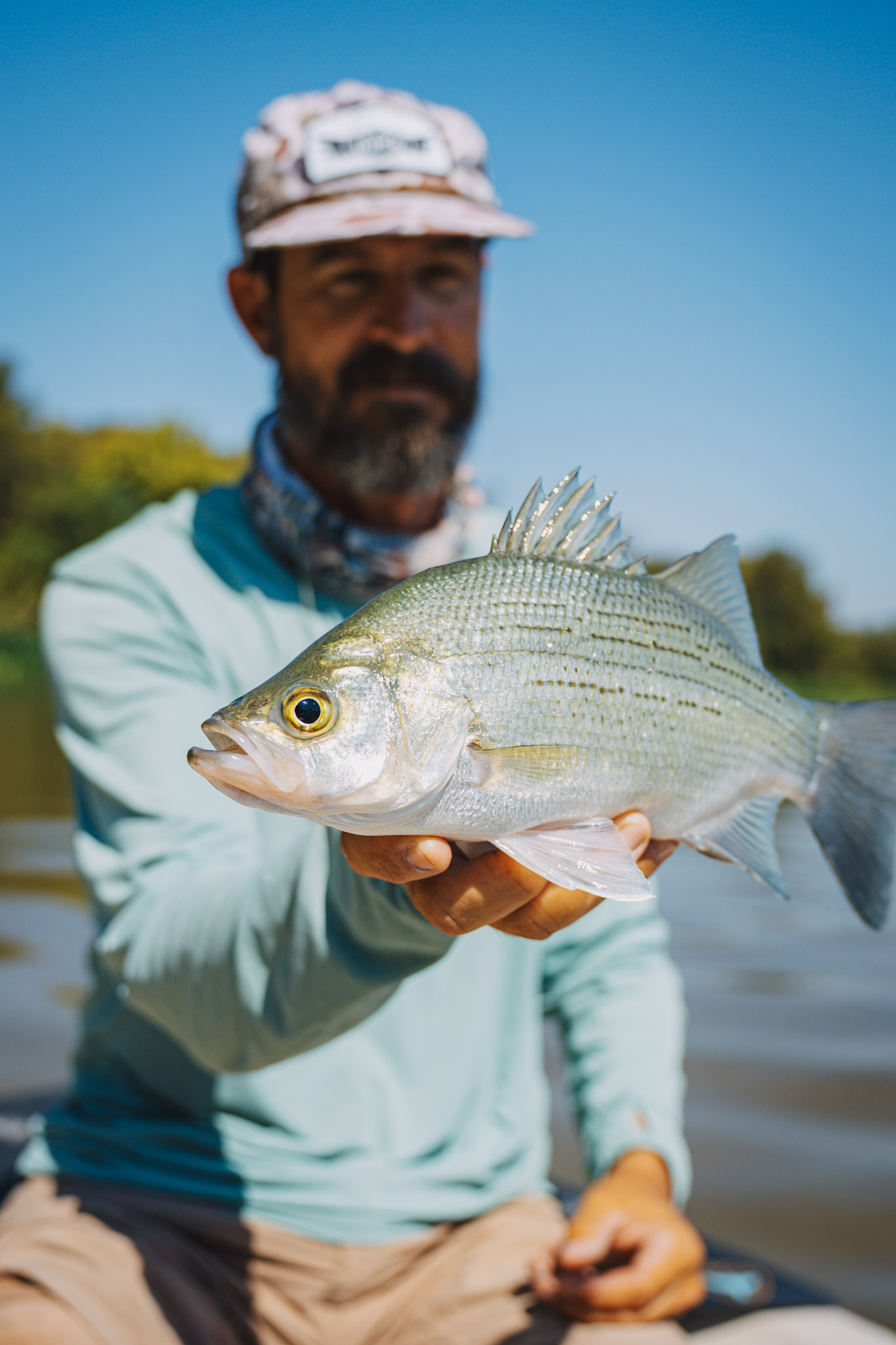
Bass in River Systems
River bass in early spring are predictable if you know what to look for. They're not spread across the entire system — they're stacked in specific zones, using current breaks and transitional structure to conserve energy while staying positioned near warming water.
Where to find them: Look for eddies, slack water pockets behind large rocks or logjams, and the inside bends of river channels where current slows and sediment settles. These areas warm faster than the main current and act as staging grounds before the full pre-spawn push. Shallow, dark-bottomed backwater areas connected to the main river are also worth targeting — they absorb solar heat quickly and draw bass in early.
How to fish them: Slow down. In cold river water, bass are not chasing. A curly-tail jig or small swimbait bounced deliberately along the bottom through rocky transitions is one of the most reliable early spring presentations for smallmouth. For largemouth holding in backwater and slack zones, a slow-rolled spinnerbait or a suspending jerkbait worked with long pauses will draw strikes when faster presentations get ignored.
Current seams — the line where fast water meets slow — are always worth a cast. Bass hold on the slow side and dart into the current to eat. Work your bait so it drifts naturally through that transition.
What water temperature triggers the bite? Smallmouth begin moving and feeding in the low 50s. Largemouth become more aggressive as temperatures approach the mid-50s heading into pre-spawn. A few degrees matters more in March than it does in July.
Trout in Streams
Early spring trout fishing is one of the more overlooked opportunities in the freshwater calendar. Trout are cold-water fish, which means this season — when most anglers are waiting for bass to get going — is actually prime time in many streams and rivers.
Before you go: Regulations vary widely by state and water. Many states have specific season openers, harvest restrictions, or delayed harvest designations. Check your local rules before heading out — it's worth the two minutes to avoid surprises.
Where to find them: Trout in early spring will be in the same lies they hold throughout the year — seams, tailouts, and the heads of pools where oxygenated water pushes in — but they'll be less aggressive about moving far to eat. Focus on the slower, deeper portions of pools and work the edges where current drops off. On warmer afternoons, you may find fish moving into shallower riffles to feed.
How to fish them: In cold water, natural presentations outperform flashy ones. Minnows, fish eggs, and scented baits are hard to beat for harvesting fish. In catch-and-release or delayed harvest streams, small flies, micro jigs, and tiny crankbaits are effective when fished slowly and methodically. Nymphing under an indicator through the deepest part of a pool is a tried-and-true method when surface activity is nonexistent.
Don't expect aggressive surface takes in early spring. The fish are eating, but they're deliberate. Match that pace.
Redfish on the Flats
Early spring redfish fishing is one of the most exciting transitions in the inshore calendar — and one of the most misread. Fish are moving off their winter holds in deeper mud and channels, working their way back toward the shallow grass flats where they'll spend the warmer months. They're not fully there yet, which means your approach needs to reflect where they actually are rather than where you want them to be.
Where to find them: Target transitional zones — broken grass with defined edges and potholes, close to deeper water. These are where early spring redfish stage before pushing fully shallow. Channel edges adjacent to flats, the mouths of tidal creeks, and shallow cuts that drain warming pockets of water are all worth exploring.
How to fish them: Downsize your presentation. Baitfish are small right now — glass minnows, juvenile shrimp, tiny mullet — and redfish have been keyed on small forage all winter. A large paddle tail or big topwater is the wrong call in March. Go with smaller, subtle soft plastics and lures with minimal vibration. Clear or translucent baits with a bit of glitter can be effective when matching exact forage size is difficult.
Use the tides: The outgoing tide is your ally in early spring. As water drains off the warm shallows, it pushes bait into the channels and potholes where fish are waiting. Position yourself on the edge of those drop-offs on the outgoing and let the current do the work. Moving water of any kind outperforms slack tide — current concentrates both bait and the fish that eat it.
What water temperature triggers the bite? Redfish start feeding actively once inshore water temperatures hit the mid-50s. Calm, sunny afternoons on shallow dark-bottomed flats can push surface temps several degrees above the surrounding water, and those spots will hold fish first.
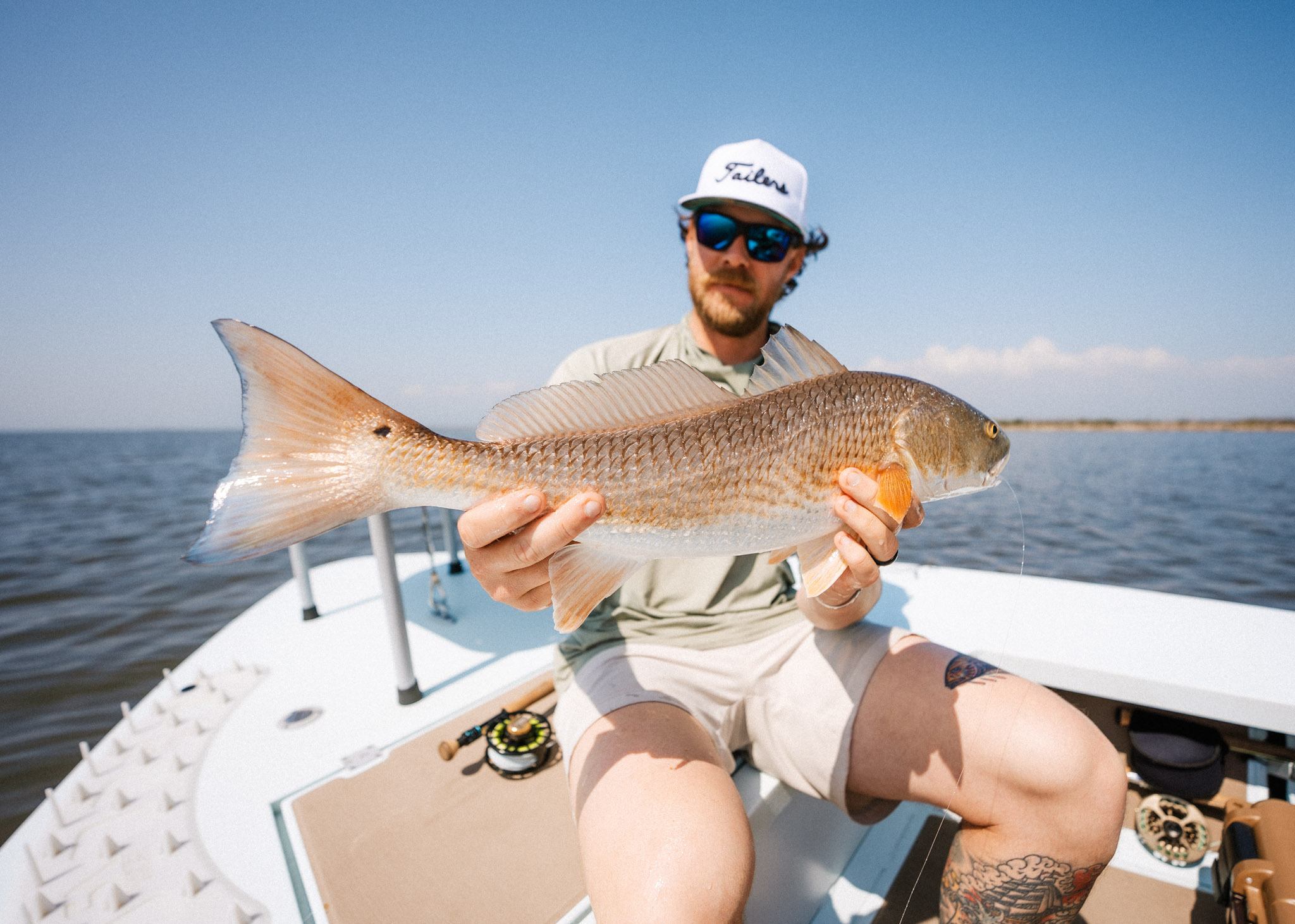
Speckled Trout in the Marsh
Speckled trout in early spring are a patience game. They're transitioning, they're selective, and the window between "too cold" and "feeding hard" can be narrow. But when you hit it right, it's some of the best specks fishing of the year.
Where to find them: Look for the same transitional structure as redfish — grass edges, potholes, and tidal creek mouths — but speckled trout tend to hold slightly deeper than reds in cold water. Deeper potholes on the flats and the edges of submerged grass beds are reliable early spring locations. Like redfish, they'll be close to deeper water until conditions push them shallow.
How to fish them: The same rule applies — go small and slow. A light soft plastic on a light jig head, worked with subtle hops and long pauses on the bottom, is a consistent early spring producer for speckled trout. Avoid aggressive retrieves. The fish are cold-water metabolically slow right now, and they're not going to burn energy chasing something down.
Floating minnow plugs worked just under the surface can also be effective during warmer afternoons when fish start looking up. Keep the retrieve slow and twitch-based rather than steady.
Timing: Speckled trout are particularly responsive to afternoon warming. A flat that looks dead at 9 a.m. can turn on completely by noon if the sun's been working it. Don't give up on a spot too early in the day.
Universal Principles for All Four Species
Let the wind work for you. Wind churning across a flat or shallow stretch of river accelerates surface warming and pushes bait to windward banks and shores. Fish these wind-exposed areas, even when calmer spots look more appealing.
Slow your retrieve across the board. In cold water, fish are metabolically slow. They are not chasing fast-moving presentations the way they will in summer. Whatever you're throwing, retrieve it slower than feels natural.
Be persistent with spots you trust. Early spring fishing can be inconsistent day to day. A cold front sets everything back; a warm week brings it roaring forward. If you know a stretch of river or a flat that historically produces in early spring, keep returning to it. The conditions will catch up.
A Note on Conservation
Early spring coincides with pre-spawn and spawning periods for all four of these species. Large fish — especially females heavy with eggs — are doing critical work right now. A careful, quick release on the bigger fish is a habit worth keeping. The fishing you enjoy in July depends on what happens in these shallow water nurseries right now.
Early spring fishing asks something of you. It asks you to read conditions, adjust your expectations, slow down, and think before you cast. When you do those things right, it will hand you some of the best days on the water you'll have all year.
Ready to Fish Water Worth Fishing?
The best early spring trips aren't just about the right technique — they're about access to the right land and water. BirdDog connects hunters and anglers with landowners across millions of acres, so you're not stuck fishing the same pressured public water everyone else is on. If you're ready to book a trip on private land with access to rivers, streams, and coastal flats that most anglers never see, we can make that happen.
Explore fishing trips and book your spring adventure at huntbirddog.com.

Read More...
A practical guide to rural land loan types, what lenders evaluate, common mistakes landowners make, and how to approach financing a farm, ranch, or hunting property.
A look at how BirdDog helps landowners put their property to work through hunting and recreation, farm and grazing leases, Section 180 tax opportunities, financing, insurance, and land improvements.

A landowner's guide to identifying revenue potential in idle acreage and stacking multiple income streams — farming leases, hunting access, marketplace bookings, and Section 180 savings — through BirdDog.