How to Start Making Money on Your Land

From leasing land for grazing to selling carbon credits, here are some of the best ways to turn your property into a profitable venture.

How to Start Making Money on Your Land: New Revenue Streams for Landowners

If you own land, you have a valuable asset that can generate income in ways you might not have considered. Whether you have farmland, pastureland, or woodlands, there are multiple opportunities to create sustainable revenue streams beyond traditional farming. From leasing land for grazing to selling carbon credits, here are some of the best ways to turn your property into a profitable venture through BirdDog.
1. Cattle Grazing & Livestock Leasing

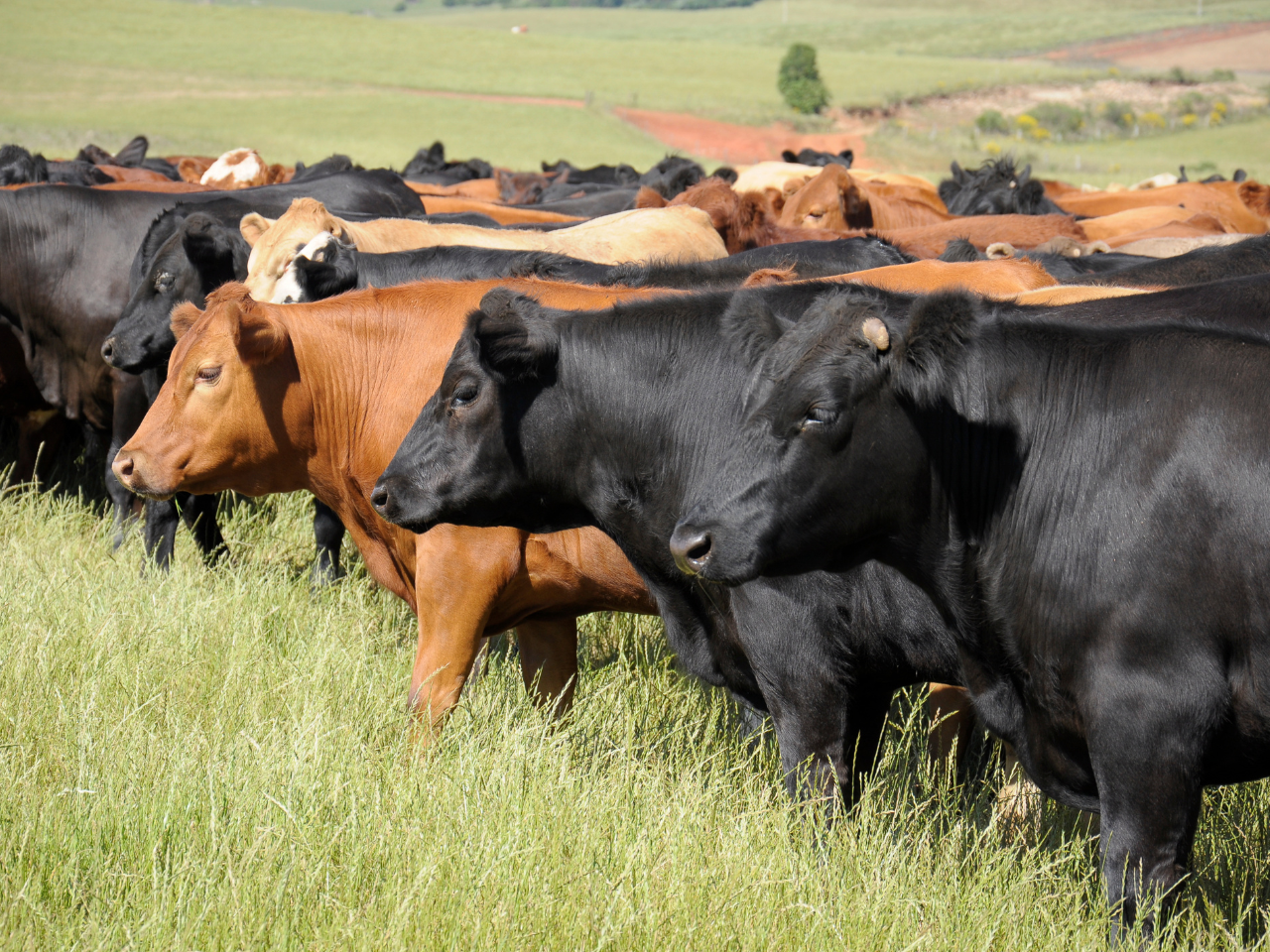
If you have open pastureland, leasing it for cattle grazing can provide a steady income without requiring you to own livestock. Ranchers often seek additional grazing space, especially during certain seasons. You can lease your land at a per-acre rate or per head of cattle.

Additionally, livestock leasing allows farmers or ranchers to rent animals for breeding or meat production. If you have the infrastructure, you can also offer short-term leases for rotational grazing, which can improve pasture health and soil fertility.

Getting Started:

  • Assess the carrying capacity of your land to determine how many cattle it can support.
  • Partner with local ranchers who need additional grazing land.
  • Implement rotational grazing practices to maintain healthy pastures.
  • Set up fencing, water access, and necessary permits.

2. Diversified Farming and Specialty Crops

Traditional row crops are not the only way to make money from farmland. Consider diversifying into specialty crops like organic vegetables, fruit orchards, herbs, or medicinal plants. These niche markets often bring higher profit margins than commodity crops.

You can also lease portions of your land to small-scale farmers, community-supported agriculture (CSA) programs, or even agritourism ventures.

Getting Started:

  • Research local market demand for high-value crops.
  • Invest in soil testing and proper irrigation systems.
  • Consider organic or regenerative farming practices for premium pricing.
  • Partner with local farmers’ markets, restaurants, or direct-to-consumer sales platforms.

3. Hunting Leases & Outdoor Recreation

If your land has wildlife, offering hunting leases can be a lucrative option. Many hunters are willing to pay for access to well-managed land for deer, turkey, and waterfowl hunting.

Other recreational opportunities include fishing, camping, off-road trails, and guided outdoor experiences. Creating a private membership or day-pass system can generate ongoing revenue while preserving your land’s natural beauty.

Getting Started:

  • Ensure your land meets state wildlife and conservation regulations.
  • Establish clear lease agreements outlining season dates, rules, and liability waivers.
  • Offer added amenities like blinds, food plots, or lodging to attract premium clientele.

4. Carbon Credits & Conservation Programs

One of the newest and most promising revenue streams for landowners is selling carbon credits. Companies looking to offset their carbon footprint purchase credits from landowners who manage their land sustainably through practices like reforestation, no-till farming, and rotational grazing.

Government conservation programs also pay landowners for preserving wetlands, planting cover crops, or converting fields into wildlife habitats.

Getting Started:

  • Research carbon credit markets and enroll in reputable programs such as Indigo Ag or Nori.
  • Implement sustainable practices that sequester carbon in soil or trees.
  • Work with a consultant or cooperative to ensure proper verification and compliance.
  • Explore USDA conservation programs like the Conservation Reserve Program (CRP) or Environmental Quality Incentives Program (EQIP).

In a Nutshell

Landowners have more opportunities than ever to turn their property into a revenue-generating asset. Whether through traditional livestock grazing, specialty crops, conservation programs, or modern options like carbon credits, you can create multiple income streams while maintaining the integrity of your land. By diversifying your approach and exploring innovative revenue sources, you can ensure financial sustainability for generations to come. Get started and visit: https://www.birddogit.com/landowners

Read More...

Hunting & Adventure
Late-Season Duck Behavior

Late-season duck hunting can be one of the most challenging—and rewarding—times of the year. By January, ducks have migrated thousands of miles, survived multiple hunting seasons, and encountered nearly every decoy spread and calling sequence imaginable. These birds are smarter, more cautious, and far less forgiving of mistakes.

Read More
Landowner Resources
Why Winter Is the Best Time for Property Improvements

For many landowners, winter feels like the slow season. Hunting seasons wind down, fishing slows, and day-to-day ranch or property work often takes a back seat. But in reality, winter is one of the most productive and strategic times of the year to make improvements to your land—especially if you manage your property for hunting, fishing, or outdoor recreation.

Read More
Hunting & Adventure
Why Private Land Access Matters Most During the January Duck Season

January marks the final push of the duck season, and for many hunters, it’s the most challenging—and rewarding—time to be in the field. The migration is still moving, cold fronts are active, and bird numbers can be incredible. But by January, waterfowl have been pressured for months. They’ve heard every call, seen every decoy spread, and watched hundreds of hunters walk into public marshes.

Read More

How to Start Making Money on Your Land

From leasing land for grazing to selling carbon credits, here are some of the best ways to turn your property into a profitable venture.

How to Start Making Money on Your Land: New Revenue Streams for Landowners

If you own land, you have a valuable asset that can generate income in ways you might not have considered. Whether you have farmland, pastureland, or woodlands, there are multiple opportunities to create sustainable revenue streams beyond traditional farming. From leasing land for grazing to selling carbon credits, here are some of the best ways to turn your property into a profitable venture through BirdDog.

1. Cattle Grazing & Livestock Leasing

If you have open pastureland, leasing it for cattle grazing can provide a steady income without requiring you to own livestock. Ranchers often seek additional grazing space, especially during certain seasons. You can lease your land at a per-acre rate or per head of cattle.

Additionally, livestock leasing allows farmers or ranchers to rent animals for breeding or meat production. If you have the infrastructure, you can also offer short-term leases for rotational grazing, which can improve pasture health and soil fertility.

Getting Started:

  • Assess the carrying capacity of your land to determine how many cattle it can support.
  • Partner with local ranchers who need additional grazing land.
  • Implement rotational grazing practices to maintain healthy pastures.
  • Set up fencing, water access, and necessary permits.

2. Diversified Farming and Specialty Crops

Traditional row crops are not the only way to make money from farmland. Consider diversifying into specialty crops like organic vegetables, fruit orchards, herbs, or medicinal plants. These niche markets often bring higher profit margins than commodity crops.

You can also lease portions of your land to small-scale farmers, community-supported agriculture (CSA) programs, or even agritourism ventures.

Getting Started:

  • Research local market demand for high-value crops.
  • Invest in soil testing and proper irrigation systems.
  • Consider organic or regenerative farming practices for premium pricing.
  • Partner with local farmers’ markets, restaurants, or direct-to-consumer sales platforms.

3. Hunting Leases & Outdoor Recreation

If your land has wildlife, offering hunting leases can be a lucrative option. Many hunters are willing to pay for access to well-managed land for deer, turkey, and waterfowl hunting.

Other recreational opportunities include fishing, camping, off-road trails, and guided outdoor experiences. Creating a private membership or day-pass system can generate ongoing revenue while preserving your land’s natural beauty.

Getting Started:

  • Ensure your land meets state wildlife and conservation regulations.
  • Establish clear lease agreements outlining season dates, rules, and liability waivers.
  • Offer added amenities like blinds, food plots, or lodging to attract premium clientele.

4. Carbon Credits & Conservation Programs

One of the newest and most promising revenue streams for landowners is selling carbon credits. Companies looking to offset their carbon footprint purchase credits from landowners who manage their land sustainably through practices like reforestation, no-till farming, and rotational grazing.

Government conservation programs also pay landowners for preserving wetlands, planting cover crops, or converting fields into wildlife habitats.

Getting Started:

  • Research carbon credit markets and enroll in reputable programs such as Indigo Ag or Nori.
  • Implement sustainable practices that sequester carbon in soil or trees.
  • Work with a consultant or cooperative to ensure proper verification and compliance.
  • Explore USDA conservation programs like the Conservation Reserve Program (CRP) or Environmental Quality Incentives Program (EQIP).

In a Nutshell

Landowners have more opportunities than ever to turn their property into a revenue-generating asset. Whether through traditional livestock grazing, specialty crops, conservation programs, or modern options like carbon credits, you can create multiple income streams while maintaining the integrity of your land. By diversifying your approach and exploring innovative revenue sources, you can ensure financial sustainability for generations to come. Get started and visit: https://www.birddogit.com/landowners

Read More...

Hunting & Adventure
Late-Season Duck Behavior

Late-season duck hunting can be one of the most challenging—and rewarding—times of the year. By January, ducks have migrated thousands of miles, survived multiple hunting seasons, and encountered nearly every decoy spread and calling sequence imaginable. These birds are smarter, more cautious, and far less forgiving of mistakes.

Read More
Landowner Resources
Why Winter Is the Best Time for Property Improvements

For many landowners, winter feels like the slow season. Hunting seasons wind down, fishing slows, and day-to-day ranch or property work often takes a back seat. But in reality, winter is one of the most productive and strategic times of the year to make improvements to your land—especially if you manage your property for hunting, fishing, or outdoor recreation.

Read More
Hunting & Adventure
Why Private Land Access Matters Most During the January Duck Season

January marks the final push of the duck season, and for many hunters, it’s the most challenging—and rewarding—time to be in the field. The migration is still moving, cold fronts are active, and bird numbers can be incredible. But by January, waterfowl have been pressured for months. They’ve heard every call, seen every decoy spread, and watched hundreds of hunters walk into public marshes.

Read More